Kroger and Sam’s Club Show How Retail Media Can Follow the Shopper
- Deniz Ataman
- 430 views
Kroger uses banner-level shopper differences to shape in-store discovery, while Sam’s Club extends brand visibility to members at the fuel pump.
Retail media works best when it fits the way people shop. Kroger and Sam’s Club illustrate two distinct approaches: Kroger can use differences among its regional banners to tailor in-store product discovery, while Sam’s Club is adding fuel pumps as another place to reach members. The shared idea is to build advertising around real shopping behavior instead of applying one template across every store and visit.
Shopper data changes where brands compete
Retailers have long sold brands visibility through shelf placement, endcaps and promotions. Retail media adds a more targeted layer, drawing on retailer-owned information such as store traffic, dwell time, visit frequency and shopper demographics. That data can help brands decide which shoppers to reach and where a message may fit into a trip.
For retailers, loyalty and traffic data can support retail media networks (RMNs), creating an additional revenue stream. For brands, the appeal is a chance to connect advertising with the setting where shoppers are considering products. But a useful plan depends on the retailer’s audience and how people move through its locations. The traffic profiles described for Kroger and Sam’s Club show why the same media placement may have different value in different shopping environments.
Kroger’s banners offer distinct audiences
Kroger operates two dozen regional banners, including Ralphs and Food 4 Less. The shopper profiles cited for those stores differ: Ralphs shoppers in Riverside, California, had a median household income of $113,600, while Food 4 Less shoppers had an average income of $78,600 and were more likely to come from larger families.
Those figures point to a practical opportunity for brands. A campaign can be shaped around the audience associated with a particular banner, with promotions and product discovery tailored to the shoppers most likely to encounter them there. The distinction also cautions against treating a large retail network as one uniform audience. Regional and banner-level patterns can affect which products merit attention and what kind of in-store message fits.
Digital endcap screens are one possible way for Kroger to put those insights to work. Large digital signs and video displays can rotate advertisements and draw attention to products beyond their regular shelf position. Their value depends on how shoppers use the store: a display may have more opportunity to prompt browsing when a trip leaves room for discovery.
Dwell time offers one way to assess engagement, particularly in locations where shopping visits tend to be shorter. If shoppers spend little time in a store, a well-placed screen could make a product easier to notice during that brief visit. The measure is best read as a signal of attention and opportunity, rather than proof by itself that an advertisement changed a purchase. Placement, the message and the shopper’s reason for visiting all shape what a screen can accomplish.
Sam’s Club extends media to the fuel stop
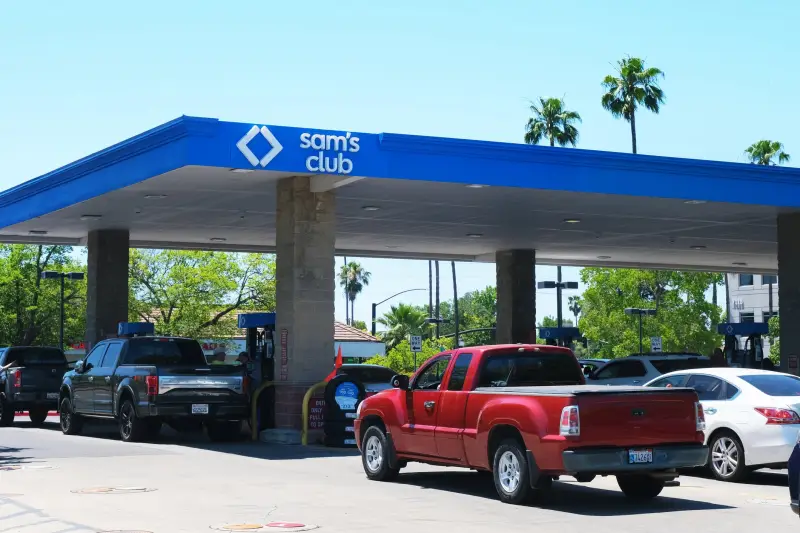
Sam’s Club is taking a different route by putting digital screens at fuel pumps. The placement gives brands a chance to reach returning members outside the store, during the wait to fill a vehicle. Discounted gasoline may seem separate from grocery and beverage shopping, but the fuel stop is part of the broader member experience and offers another contact point between store visits.
The reported traffic figures suggest that this setting is drawing growing activity. In September 2026, fuel station visits were up 10.8% year over year, compared with 6.0% growth in overall Sam’s Club visits. Fuel station unique visitors rose 7.5% year over year, while total unique visitors increased 6.1%.
The report also links the fuel stations’ appeal to shoppers looking for more affordable gasoline amid rising prices in recent years. For advertisers, the figures make the pumps more than a convenience amenity: they represent a place to reach members who may return regularly, as well as visitors drawn by fuel prices. That reach could complement in-store placements by connecting with shoppers at another point in their relationship with the retailer.
Match the format to the trip
Kroger’s screens and Sam’s Club’s fuel displays serve different moments. One approach centers on discovery inside stores and the distinctions among banners; the other adds an advertising touchpoint to a recurring member errand. Both depend on understanding the visit itself. Traffic can show how many people come through, while dwell time and visit frequency can help describe how those visits unfold.
For retailers and brands, the useful question is where a message fits naturally into the shopper’s trip. A store display has to earn attention among products and other signs. A pump screen reaches people during a pause outside the sales floor. These formats can broaden a campaign’s reach, but their usefulness will depend on matching the placement to the audience and the moment. The clearest takeaway is to plan retail media around the behavior each location attracts.