Cocoa Could Top $8,000 a Ton as Supply Risks Pressure Chocolate Makers
- Donna Eastlake
- 884 views
Vontobel sees cocoa rising more than 50% in six months. Weather, disease and tight stocks leave chocolate makers weighing costs, recipes and sourcing.
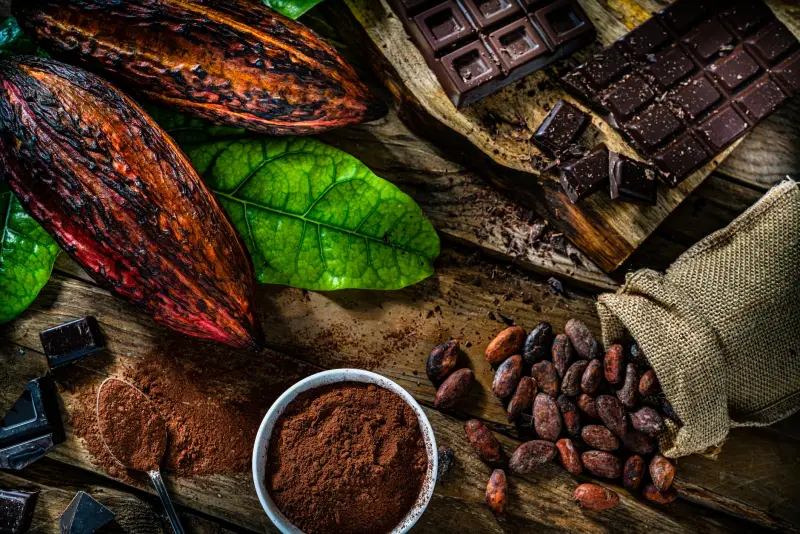
A possible cocoa price rise of more than 50% in six months would put another squeeze on chocolate makers already facing expensive ingredients and energy. Swiss asset management firm Vontobel forecasts that cocoa could reach $8,000 a ton ($8,818 per metric tonne), from futures trading at $5,294 a ton ($5,835 per metric tonne) at the time of publication. The forecast is a warning about continued supply strain, though it is not a certainty.
Renato Mettler, a portfolio manager at Vontobel, points to El Niño and persistent production challenges in West Africa. He says drier conditions associated with El Niño, alongside Harmattan winds, could test farms already under pressure. With stocks relatively tight, even a modest change to crop expectations can move prices sharply: there is less supply on hand to cushion a shortfall.
Several pressures on West African crops
Weather is only part of the supply picture. Swollen shoot virus continues to affect cocoa farms in parts of West Africa, while ageing plantations are producing less and need replanting to sustain output. Farmers also face higher input costs, which can make it harder to maintain yields and pay for long-term improvements to their farms.
Climate change adds to the difficulty. Unpredictable rainfall, longer dry spells and rising temperatures create less reliable growing conditions in important cocoa-producing regions. These stresses can compound one another: when farms are already coping with disease, older trees or expensive inputs, weather disruption can further limit their ability to maintain production.
The combined effect matters to buyers because low inventories leave little room to absorb a production setback. When the supply buffer is thin, shifts in crop forecasts can have an outsized effect on prices. That helps explain why cocoa markets remain volatile even before a forecasted rise materializes.
Manufacturers have fewer easy pricing options
Confectionery companies have raised prices several times over the past three years in response to cocoa inflation. If cocoa climbs further, passing every new cost on to shoppers may be difficult. Manufacturers would have to weigh higher prices against consumers’ willingness to buy, while managing pressure on their own margins.
The strain can spread through the supply chain. Manufacturers may pay more for cocoa and face lower margins; retailers may see wholesale prices rise; and ingredient suppliers may have to manage higher raw material costs while customers resist further increases. Smaller confectioners can be especially exposed because they have less purchasing power and less room to absorb costs or adjust what customers pay. If high cocoa prices persist, they could add to consolidation in parts of the confectionery sector.
Companies may also review which products they make, how they source ingredients and which new products they develop. Reformulating a recipe or changing a product range can reduce exposure to cocoa costs, but it also asks manufacturers to protect the flavor and texture that customers expect. The challenge is to find room to adapt without making the product feel like a different treat.
Shoppers may change what they buy
Chocolate demand has stayed relatively resilient through the price crisis, but shoppers are becoming more selective. Further price increases could push more people to look for promotions, choose private-label products or save premium chocolate for special occasions. Manufacturers will need to balance price with a clear sense of value and affordability.

Sourcing and recipe changes offer partial responses
Major manufacturers including Mars, Mondelēz International, Nestlé and Ferrero Group have programmes aimed at improving farmer livelihoods, raising productivity and strengthening resilience to climate pressures. In producing regions such as Ghana and Côte d’Ivoire, farmers are dealing with weather challenges, disease, ageing trees and rising costs.
Some programmes reach beyond certification to include farmer training, income diversification, regenerative agriculture and reforestation. The aim is to improve environmental outcomes while making cocoa farming a more resilient livelihood. For manufacturers, these efforts form part of a longer-term response to the conditions that threaten dependable production.
Companies are also exploring ways to use less cocoa in some products. Carob, roasted cereals and certain plant-based fibres can act as partial cocoa extenders. Cargill and Barry Callebaut are developing cocoa-like ingredients using precision fermentation, upcycled food waste streams and new processing techniques. Other recipe adjustments include changing cocoa content, pairing cocoa with other flavors, or adding nuts, caramel or fruit.
These approaches can offer flexibility, but they do not remove the industry’s reliance on cocoa. Its distinctive flavor and sensory qualities are difficult to replicate, and product definitions also shape what manufacturers can call chocolate. Cocoa remains the foundation for most confectionery products.
The forecast leaves room for relief
Vontobel’s projection is not the only possible outcome. A stronger harvest, better weather or effective disease management could ease supply concerns and reduce upward pressure on prices. Yet uncertainty remains high, and the combination of constrained stocks and production challenges means volatility is likely to persist.
Whether cocoa reaches $8,000 a ton will depend on how supply develops over the coming months. For manufacturers, the practical task is already clear: keep close watch on sourcing and costs, while making careful choices about pricing and recipes that preserve the appeal of chocolate.