Why Marmite’s Distinctive Flavor Keeps Turning Up in New Foods
- Lisa Buckingham
- 344 views
Marmite’s unmistakable taste and familiar name help it move from jars into snacks, meals and drinks, revealing what makes food brands travel.
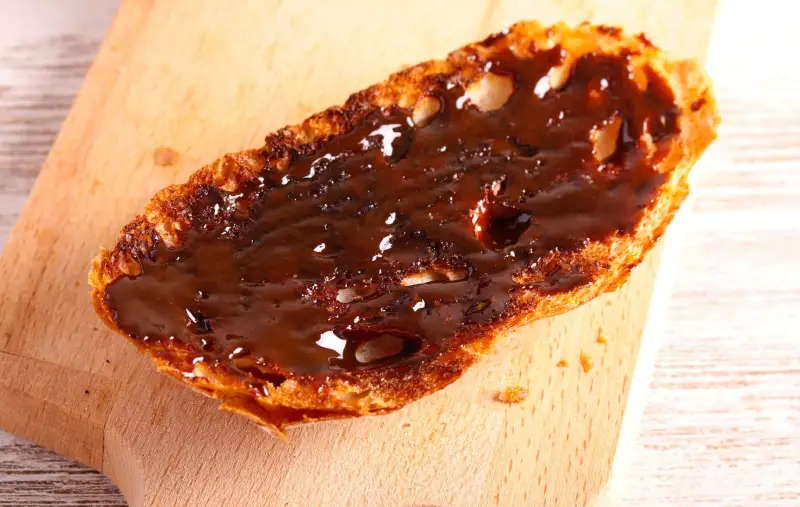
Marmite sells a flavor people already recognize
Marmite’s spread into chicken, popcorn, crisps, cheese and even beer points to a useful distinction in food branding: some names sell an ingredient, while others sell a taste people can identify on its own. Marmite has become the latter. That gives the yeast extract a ready audience when it appears in a new format, even if the product has little in common with a jar of spread.
The brand began using its “Love it or hate it” marketing in the 1990s, making its polarising flavor part of its identity. Its expansion now reaches licensed products made by other businesses as well as products developed by Unilever, which owns the brand. Marmite Peanut Butter, for example, grew from the way people were already using Marmite at home. Other extensions take the taste into categories consumers might not associate with yeast extract.
In the UK, Gousto has included Marmite Fried Chicken in its weekly meal kits. Jolly Hog makes Marmite sausages, and Joe & Seph’s has paired Marmite with caramel in gourmet popcorn. Tayto Group produces licensed Marmite Crisps and Puffs, while Kallo makes Marmite Rice Cakes. The range has even reached limited edition drinks: Marmite has appeared in a Guinness collaboration for St Patrick’s Day and in Camden Town Brewery’s Camden Marmite Ale.
Recognition makes the extension work
Marks & Spencer has put the name across a broad set of co-branded foods, including three-cheese pizza with Marmite, mac and cheese, cheese clouds, mac and cheese bites, cheddar cheese and a cheddar and Marmite sandwich. In these products, the brand name is prominent. That visibility signals the flavor customers can expect and makes Marmite itself part of the product’s appeal.
Jonny Forsyth, principal strategist for Mintel Food & Drink, describes brands that move well between categories as having a distinctive, indulgent flavor that has been central to their marketing for years. Marmite’s taste is recognizable, and the “Love it or hate it” proposition has made that distinctiveness explicit. Forsyth calls it a “flavour brand”: consumers can think of Marmite as a flavor in its own right, rather than only as an ingredient to spread on bread.
That difference matters when a brand enters a new category. A buyer considering Marmite popcorn or sausages doesn’t need to learn what the name stands for from scratch; the familiar taste provides a clear reason to try the product. Similar extensions have been built around Baileys, Nutella and Guinness, whose distinct, indulgent profiles have carried into sweet and savoury products.
Ingredient brands offer a different promise
Mutti tomatoes and Cathedral City cheese show another route. These names signal quality in an ingredient, rather than a flavor that consumers necessarily describe as a distinct taste of its own. Mutti’s reputation for tomatoes has supported a move from tinned tomatoes into pasta sauces and condiments. Cathedral City has extended from cheese into entrées, crisps and bakery products.
The promise in these cases is consistent ingredient quality across formats. A familiar brand can reassure shoppers about what went into a product and lend it a sense of authenticity or added value. Licensing and brand partnerships can therefore serve two purposes: they create more ways to earn from a brand, and they can help position a product as more distinctive or premium.
Nostalgia can strengthen that promise. Guinness, Baileys and Marmite have been part of UK food and drink culture for decades; Nutella has a similar history in Italy and France. Familiar names can carry emotional associations into an unfamiliar category. Forsyth points to economic and social uncertainty as conditions in which nostalgia can influence what people choose to buy.
Social media can build a new flavor audience
Not every brand begins with decades of recognition. Lotus Biscoff, a Belgian and Dutch biscuit flavor, gained wider attention through social media, where Biscoff lattes, doughnuts and milkshakes helped introduce it to new audiences. Lotus has since extended Biscoff into products such as spreads. In markets including Malaysia and the US, many consumers had no longstanding connection to the flavor or brand, so social media helped make the taste familiar.
That example suggests a path for brands with a memorable product but a smaller audience: people need a clear way to picture the flavor and a reason to encounter it in new settings. A social trend can provide that first introduction; a strong taste gives the brand something to build on afterward.
What could come next
Forsyth sees opportunity in brands associated with ingredients that fit demand for snacks combining indulgence with nutritional qualities. Brands known for nuts, potatoes, corn or fruit could potentially extend into snacks, although he notes that there are few widely recognized, quality-focused nut and fruit brands ready for that role. Those products are often sold without a brand or under a retailer’s own label.
He also identifies protein-rich brands such as Babybel, Président and Rachel’s Organic as candidates for new categories, and suggests that Bold Bean Co could build on its association with beans in snack formats. These are possibilities, not established extensions. The principle behind them is the same one that helped Marmite travel: a clear association gives shoppers a reason to understand what a brand brings to a different product. The next successful extension will need both a credible fit and a flavor or ingredient promise people can recognize.