Roasting Partner Brings Production, Inventory and Sales Into One Roastery Platform
- Howard Bryman
- 943 views
Roasting Partner links green coffee costs and roast planning with inventory, sales and cafe operations, with subscriptions starting at $449 per month.
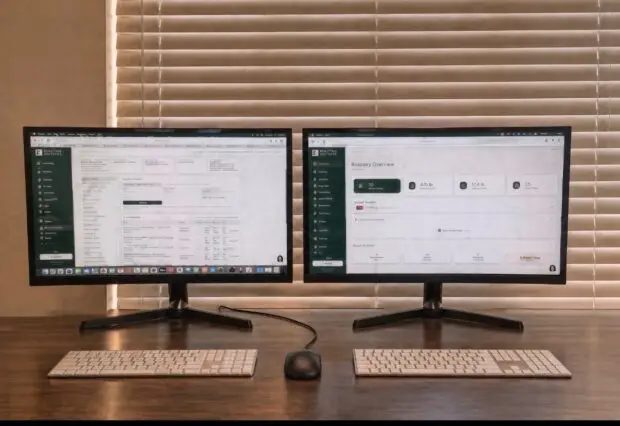
Roasting Partner’s clearest distinction is how it connects the roast to the rest of a coffee business. The platform, opened to outside roasting companies in October, brings production, green coffee purchasing, inventory, sales, cafe operations and record keeping into one operating hub. Its premise is practical: a roast batch can be followed from the green lot and its cost through packaging and fulfillment to the customer who bought it.
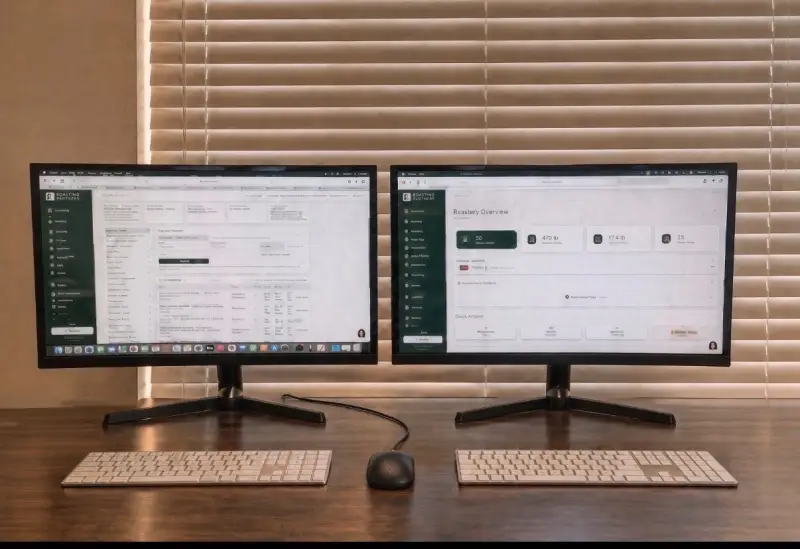
That broad scope reflects how the software developed. It began with tools for forecasting green coffee prices and inventory, helping a roaster weigh whether to buy on the spot market, secure a contract or wait. The system then grew to cover packaging materials and their costs, cafe operations, roast logging, batch planning and lot tracking. Compliance records and traceability followed as the platform took on more of the business.
Production linked to inventory and orders
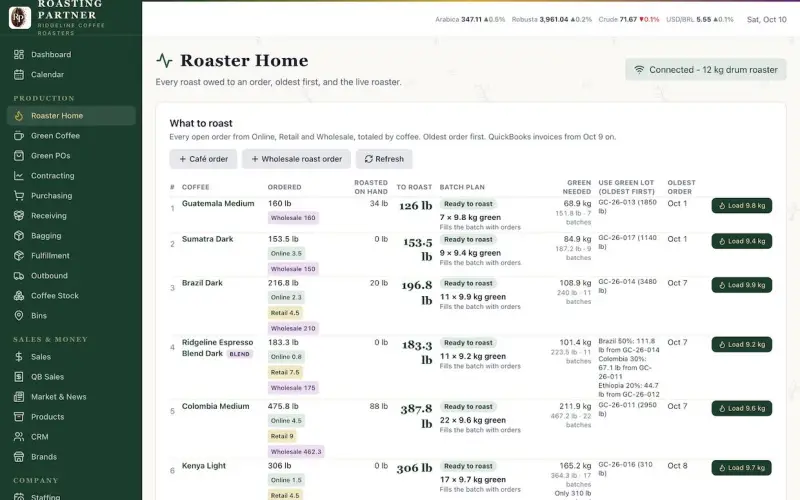
For production planning, Roasting Partner updates queues using open orders, batch sizes and inventory age and volume. Bagging and fulfillment can be tracked after roasting, keeping production information tied to what needs to ship. Green coffee tools record lots by location, age and volume, alongside purchasing, receiving, contracts, landed costs and market data.
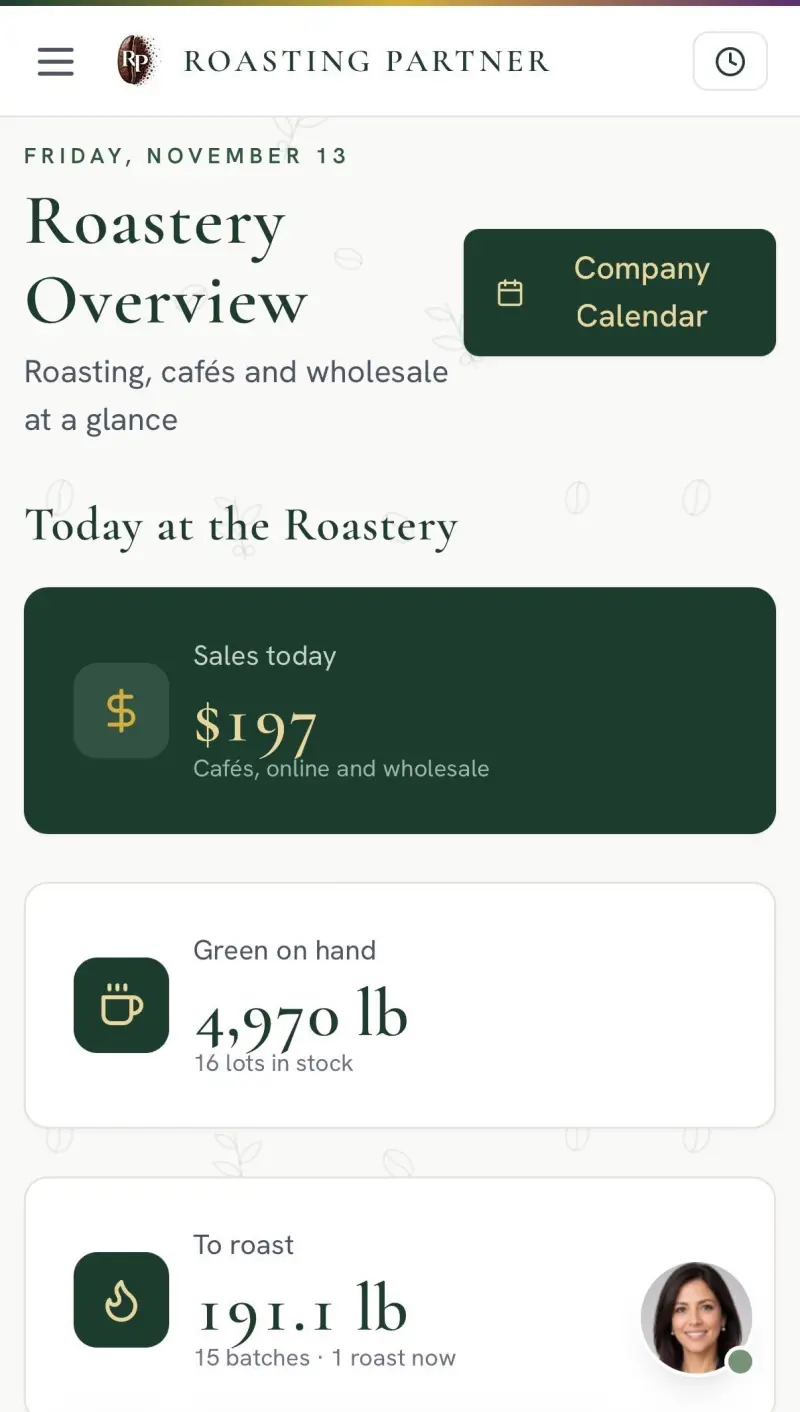
That connection matters in daily planning: green coffee availability, customer demand and batch size all shape what a roastery should roast next. A shared view can help teams see those factors together instead of relying on separate records for purchasing, production and fulfillment. The platform also includes roast logs, wholesale sales, cafe operations and staffing tools, with integrations for QuickBooks Online and Shopify.
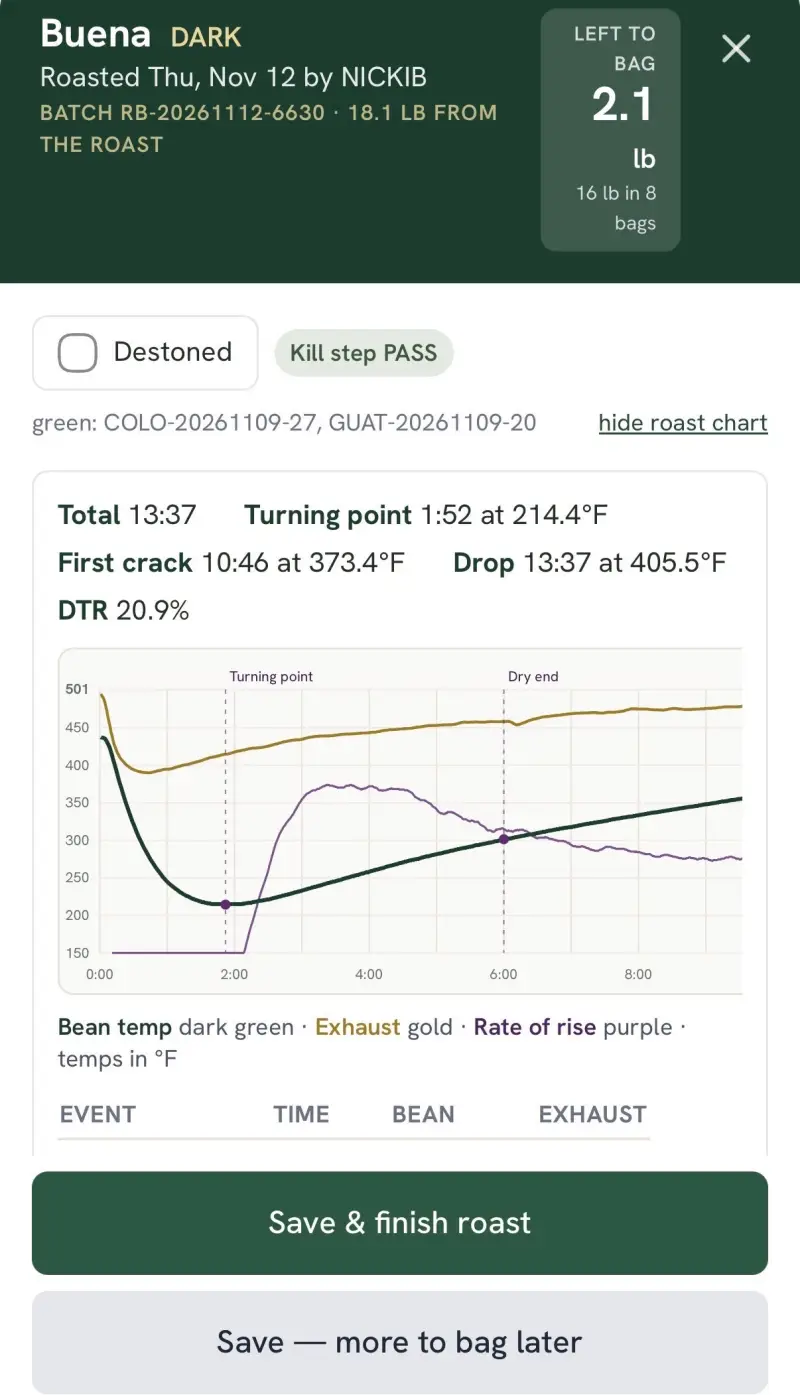
For equipment and roast data, the software natively supports logs from Mill City Roasters machines. It can also record roasts from other machines using a TC4-style board or Modbus controller, and it interacts with Artisan roast-logging software. These connections give roasters options for bringing roast data into the broader system while retaining tools already used on the production floor.
Built around cost and lot history
Co-founder Tyler Reaska describes the product as an enterprise resource planning system built for coffee, rather than a roast logger with added features. His distinction is that a roast log captures what happened in the drum, while the wider platform links that event to the green coffee lot, its cost, the finished bag, the buyer and relevant records.
The system was developed by Reaska and Rachel Tucker, who moved from work in the salon business into coding and coffee operations. Its initial testing took place with La Finca Coffee in the St. Louis area, a company with a production roastery and three retail locations. Reaska said the tools were used across that operation before the platform opened to other roasters.

Roasting Partner is owned by St. Louis-based Thomas Acquisition, which also owns Thomas Coffee. Reaska previously founded coffee packaging company Modern Eco Packaging and AI company Percy Intel, and founded and roasted for Sally Sue’s Coffee before its acquisition by Thomas Acquisition. That background helps explain why the platform spans both green coffee purchasing and packaging costs, as well as roasting itself.
Subscriptions and next steps
The subscription options are Basic at $449 per month and Pro at $749 per month. Enterprise plans are customized for larger businesses and multi-location operations. The range positions the platform for different operating scales, while its breadth means a prospective roaster would need to consider which parts of its workflow it wants to bring together.
A compliance section tracks records such as pest-control, sanitation and temperature logs. Reaska also described traceability for green and finished coffee lot by lot, with records he said are required by the U.S. Food and Drug Administration accessible within a few clicks. For a roastery, the value of linking those records to purchasing and production is that lot details can remain connected as coffee moves through the business.
The product’s planned additions include lab and quality-reporting tools, including certificates of analysis generated from lot records. A marketplace connecting roasters with vendors for green coffee, packaging and freight is also planned. If those tools arrive, the platform’s role could expand from coordinating internal operations to supporting more of the transactions around a roastery. For now, its defining idea is already clear: connect coffee costs, batches, inventory and sales in a single working record.