11 Beer Styles for Stout Fans, From Porter to Doppelbock
- [email protected] (Lauren Corona)
- 641 views
Explore 11 stout-friendly beers, from roasty porters to crisp dark lagers, with notes on malt, body, flavor and strength.

Stout fans have more room to explore than the dark, roasted end of the beer list suggests. The best next pour depends on which part of stout you enjoy: coffee and chocolate flavors point toward other roasted beers, while a preference for weight and richness opens the door to malty ales with caramel, fruit or toffee in the foreground. Some options keep stout’s dark color but finish lighter and crisper; others bring a similar fullness without the roast.

That distinction matters because “dark beer” covers a wide range of brewing traditions and drinking experiences. Malt can supply toast, bread, caramel, dried fruit or cocoa, while yeast and fermentation shape whether a beer finishes cleanly or with a rounder, warmer feel. Matt Cromwell, head beer dude at Napa Palisades Beer Company, recommends starting with the flavor or texture a stout drinker wants to carry into the next glass. Carl Alfaro, owner and head brewer at Conclave Brewing, and Richard Simm, owner of Fonthill Brewing, also point to styles that offer a useful change of pace.
Here are 11 styles worth seeking out, whether you want a close cousin to stout or a dark beer that takes its character in a different direction.
Porter
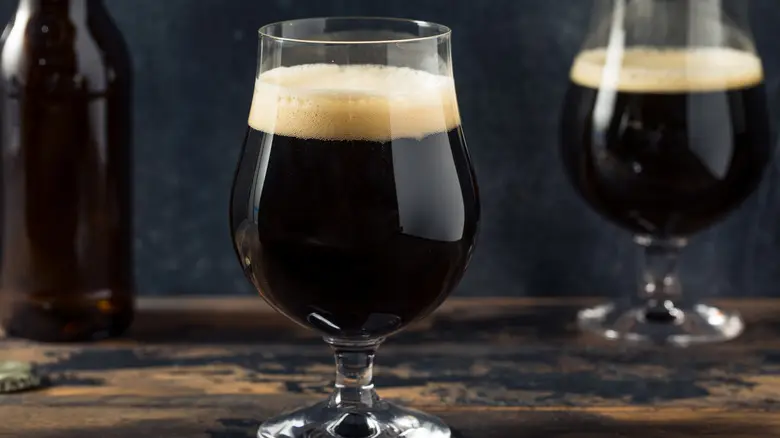
Porter is the natural first step for anyone who wants familiar roasted malt with a small shift in intensity. It shares stout’s broad flavor territory: chocolate, coffee and toasted malt. The styles also share a history. Richard Simm traces porter to London in the early 1700s, where the beer took its name from the porters who drank it. “Stout” began as “stout porter,” referring to a stronger version of that beer.
That background helps explain the family resemblance, but modern examples don’t always line up neatly by strength. Matt Cromwell describes porter as generally lighter in body and less intense, a way to enjoy familiar flavors in a more easygoing package. Yet individual brewery recipes vary, and a porter can be stronger than a stout. Imperial porters, for example, can reach 10% ABV, while some stouts are comparatively light. Check the specific beer rather than relying on the style name to predict its heft.
For a seasonal variation, look for plum porter. Its fruit character makes a fitting match for colder weather, while the style’s roasted malt keeps it recognizable to stout drinkers.
Barley wine
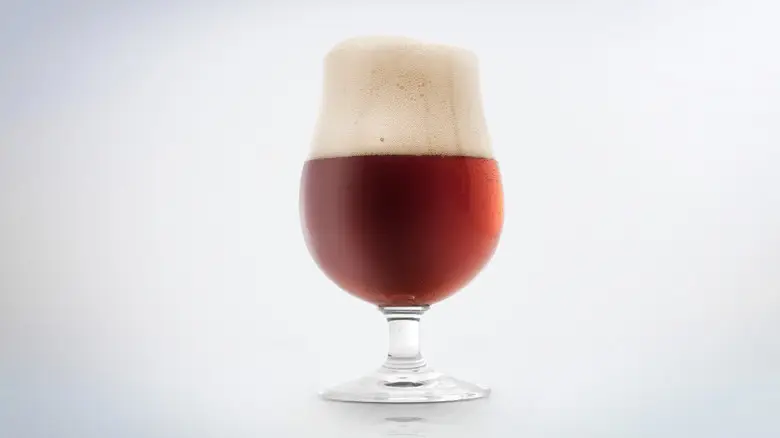
The name may suggest a grape-based drink, but barley wine is an ale. Its name reflects its strength: at 6% to 12% ABV, it can rival wine in alcohol content. Carl Alfaro recommends it to stout fans who enjoy a substantial, full-bodied beer.
Barley wine’s richness starts with a larger amount of malt than a typical beer uses. That malt brings pronounced sweetness, which hops help balance. Expect flavors such as toffee, caramel and molasses, often with fruit notes. The result can feel as warming and generous as a strong stout, though it isn’t usually as dark or roasty as an imperial stout.
The style is associated with 18th-century England, where it was reportedly brewed at estates owned by the aristocracy. Its strength made it suitable for serving with dinner in stemware, much as wine might be served, which may help account for the name. Barley wine isn’t as routinely found in bars or general liquor stores as more familiar styles. A specialist bottle shop or craft brewery taproom is a better place to look.
Old ale
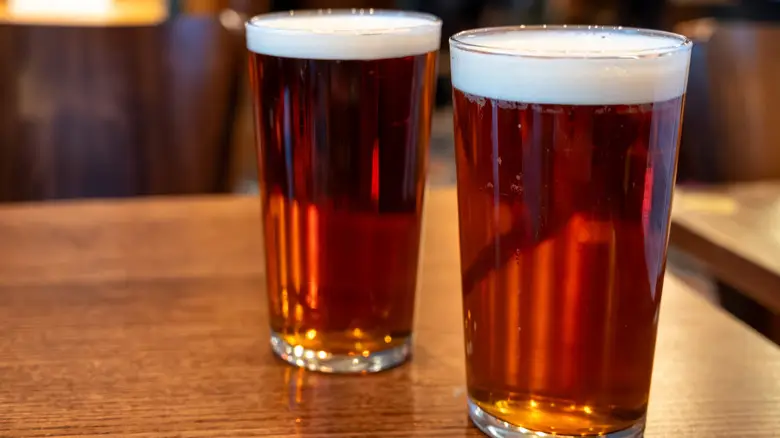
Old ale brings dark malt richness with more emphasis on fruit and caramel than on roast. Like stout, it belongs to Britain’s long ale tradition; unlike most everyday beers, it takes its identity from aging. Richard Simm explains that old ales were once held in wooden vats for months before serving. In the 1700s, brewers sometimes blended aged beer into porter.
Today, the style is generally dark, malty and warming, with flavors of raisin, toffee, treacle and dried fruit. It can make sense for a stout drinker who wants depth but finds heavy roast tiring. Simm describes the style as retaining the dark malt character of stout while shifting the balance toward fruit and caramel, making it an appealing choice on a cold evening.
Old ale remains less widely known than stout, even in the U.K., where Simm is based. He highlights Long Man’s Old Man from East Sussex as a local example, stocked by the bar at the music venue The Forum. Availability may take a little searching, but the style offers a clear point of difference for anyone who wants familiar malt richness with a more aged, fruit-led character.
Black lager
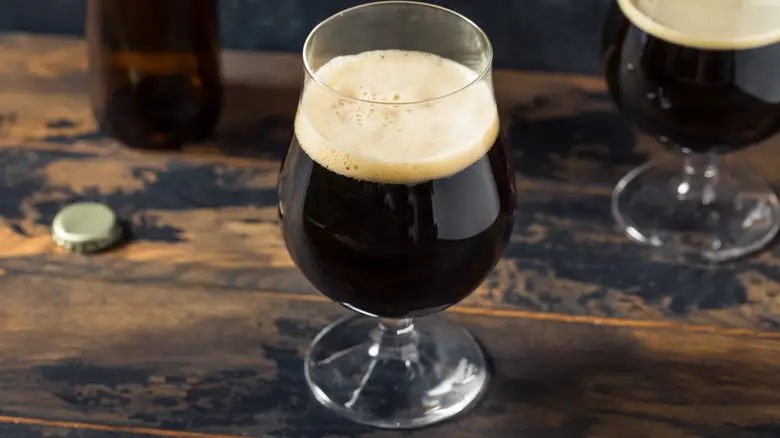
Black lager, also called dark lager, keeps the dark color and toasted malt notes that may attract stout fans, then changes the texture with lager fermentation. Matt Cromwell describes the result as clean, crisp and dry, with roast and a hint of cocoa but less weight. If one stout can feel like a meal, this is a way to keep the dark-beer character in a lighter-drinking glass.
Schwarzbier is a German style of black lager that Cromwell especially recommends. Other examples include Munich Dunkel, as well as international and American dark lagers from craft breweries. The exact balance varies, but Carl Alfaro favors versions with a light to medium body and moderate to high bitterness. He describes them as a step down from porter in ABV, with roasted chocolate notes but without the same full-bodied mouthfeel.
The key is the combination of dark, toasted malts with lager yeast. The malt supplies familiar flavors; the fermentation gives the beer a different, crisper character. Choose black lager if you want the appearance and some of the taste of a stout, while keeping the finish brisk and the body lighter.
Best bitter
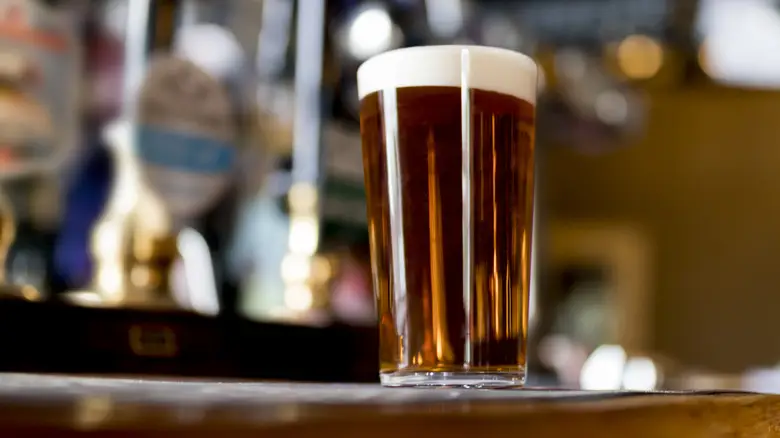
Best bitter is a useful turn for stout fans who enjoy malt but would welcome more hop balance and a drier feel. It’s an old British pub style, developed from 19th-century pale ales and traditionally enjoyed on cask, according to Richard Simm. The beer is typically amber to copper, with biscuit, caramel and toasted malt matched by earthy English hops. Some examples have a touch of chocolate-like malt character, too.
The appeal is in the balance. Stout drinkers often gravitate toward malt-led beers, and a good best bitter brings toast and bread into a lighter, more sessionable format. It can offer some of the same satisfaction as a dark beer without the dense, sweet character associated with certain imperial or pastry stouts.
Best bitter may not be a fashionable choice, but that’s part of its charm. It gives drinkers a chance to experience cask ale in a style built for steady enjoyment. Look for a pub serving it on cask if you want to taste the tradition Simm describes.
Dark mild
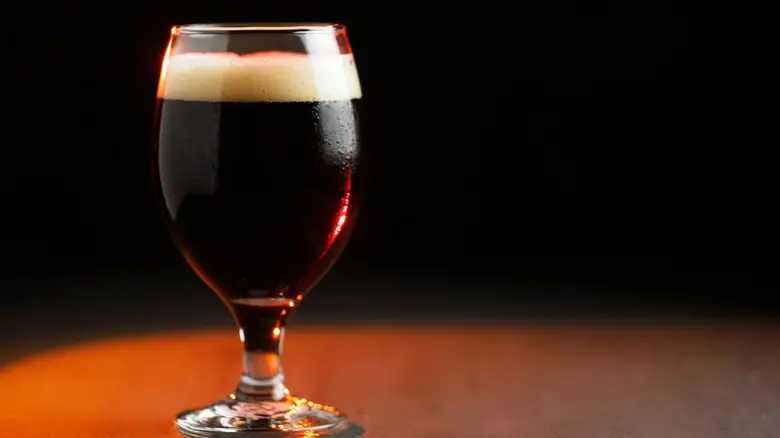
Dark mild is a malt-forward ale that can deliver coffee, chocolate, caramel, toffee, toast or nut flavors without the weight of a strong stout. Some examples also show plum or raisin notes, giving the style a fruitier edge. Its low strength is one of the clearest differences: dark mild usually sits around 3% to 4% ABV.
The word “mild” once referred to any unaged beer. As aging became less common, the term largely fell out of everyday use, though the style remained. Today, dark mild offers stout fans a particularly approachable way to explore malt character. It’s not as forceful as an imperial stout or as crisp as a dry stout, but its flavors are still rooted in malt rather than hops.
At 3% to 4% ABV, a dark mild is less likely to feel filling after one pint than a thick, rich stout. Choose it when you want dark-beer flavors and a gentler pace. Its range of toast, nuts, fruit and caramel also makes it a good reminder that darkness alone doesn’t determine how roasty a beer tastes.
Belgian dubbel
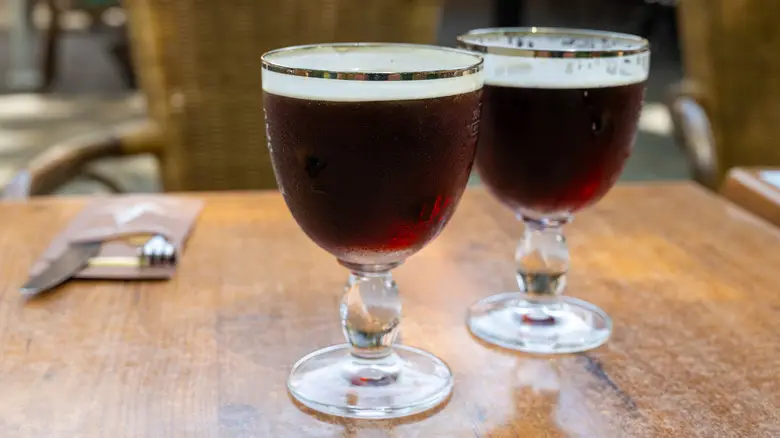
Belgian dubbel is a strong candidate for stout fans who love richness and depth more than coffee-like roast. The style comes from Belgium’s Trappist monastery brewing tradition. Its deep brown color looks at home beside stout, but the flavors tend toward dark fruit, caramel and spice rather than heavy roast.
Matt Cromwell points to raisin and plum notes, caramel and a touch of spice. Most dubbels fall around 6% to 8% ABV, a range similar to a robust stout, though there’s no strict strength rule that defines every dubbel. The name means “double,” a reference to its strength compared with lighter Belgian beers.
Dark malts, Belgian yeast and often dark candied sugar help shape the style. The sugar contributes caramel and dark fruit character without necessarily making the beer feel thick. That combination creates a warming, substantial drink with a flavor profile that differs clearly from stout’s roasted barley. Pick a dubbel when you want a dark, strong beer but are in the mood for fruit and spice in place of prominent coffee and chocolate.
Czech dark lager
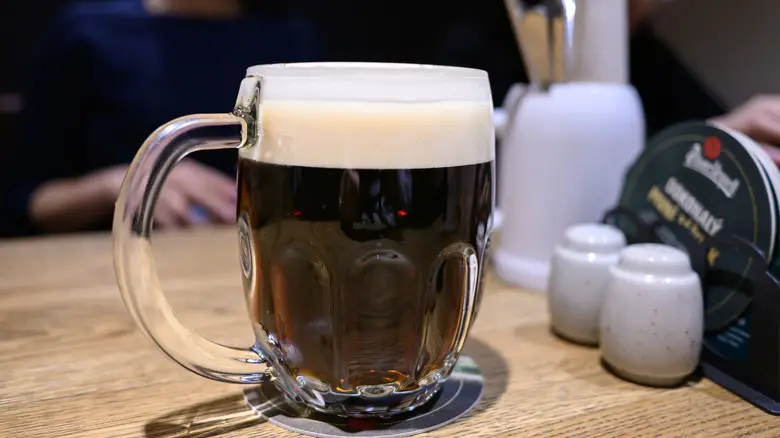
Czech dark lager, known in Czech as tmavé pivo, offers stout-like malt sweetness with a clean lager finish. Richard Simm says the style has been brewed in Bohemia for centuries and points to Budvar Dark as an example. It can also be found from many breweries in the Czech Republic.
In the glass, expect a deep ruby-black color, caramel and cocoa, sometimes with a hint of liquorice. The lager fermentation keeps the finish crisp and refreshing, giving the beer less weight than stout. That makes it a good choice when you want something dark with character but don’t want a filling, heavy pour.
Czech dark lager may not satisfy someone seeking the syrupy intensity of an imperial stout. For drinkers who prefer an easy-drinking beer that still has more depth than an everyday lager, it hits a useful middle ground. The refreshing finish also makes it a strong option for warmer weather, when darker malt flavors can still appeal but a heavy body may not.
Stingo
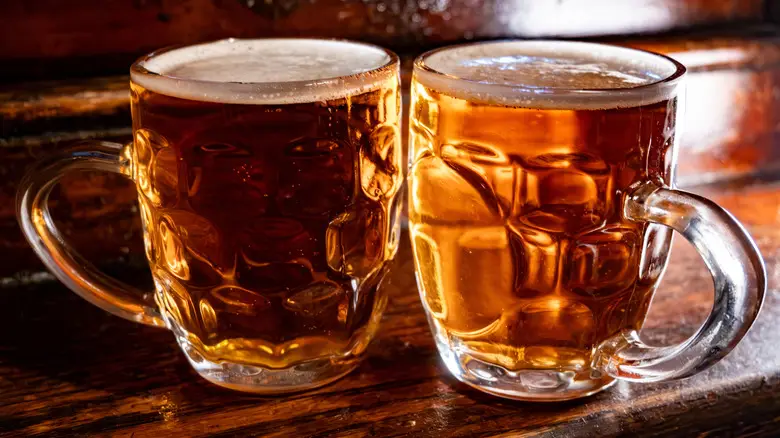
Stingo is a historic strong ale from northern England, associated especially with Yorkshire. The word was used centuries ago for ales with enough strength to leave a “sting,” and appears in writing from before 1700. Carl Alfaro describes the style as sitting between dark mild and barley wine. It was once hard to find beyond Yorkshire, though it’s now appearing in more parts of the U.K. and elsewhere.
For stout fans, the attraction is weight and depth without the familiar chocolate roast. Stingo can be dark ruby red, with a full-bodied mouthfeel and flavors of toffee, dried fruit and caramel. Alfaro also notes soft oak character. That makes it a good match for drinkers who enjoy a substantial malt-forward beer but want to trade coffee notes for fruit and wood.
Its relative obscurity is part of the appeal for adventurous drinkers, but the style’s flavor profile is easy to grasp: rich, strong and rounded, with less roast than stout. Seek it out when you’re in the mood for a dark beer with a distinctive regional history and a more fruit-driven character.
Doppelbock
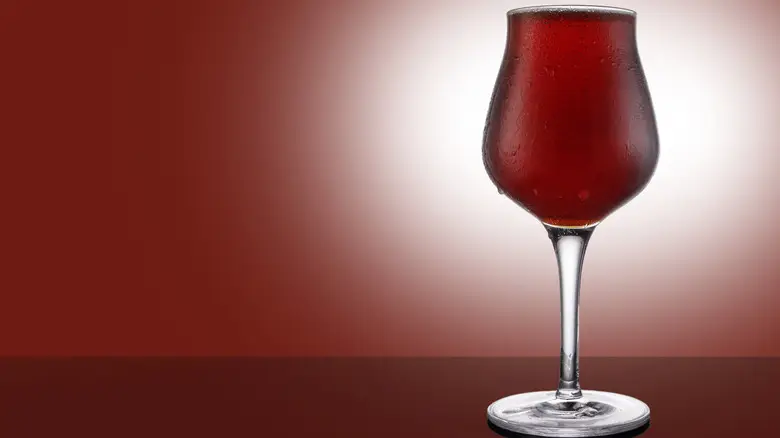
Doppelbock, or “double bock,” takes the malt richness of bock and turns it up. It usually ranges from 7% to 10% ABV, with a color that can run from copper to dark brown. Toasted malt leads, hop bitterness stays fairly low, and some darker versions show a hint of chocolate without becoming overtly roasty.
This is a lager, so its fermentation gives it a crisper, drier finish than the richness might suggest. Dried fruit notes such as prune and raisin can add to the impression of sweetness, while the finish remains more restrained than an imperial stout. That combination makes doppelbock a natural choice for fans of sweeter stouts who want a strong, malt-led beer with a different fermentation character.
The contrast is useful when choosing a bottle: expect depth and toast, but don’t look for stout’s full roasted-barley profile. If you enjoy malt-forward beers and want a rich pour that ends with a drier edge, doppelbock is a distinctive German option.
Winter ale

Winter ale is more a seasonal tradition than a tightly defined style, so examples can vary considerably. Norwegian Christmas beers are one regional tradition; craft breweries in the U.S. also make winter and Christmas ales. Many are dark, full-bodied and malt-driven, qualities that put them in stout fans’ orbit.
Matt Cromwell describes a typical profile built around caramel, toast and rich, bready malt, with hops supplying aroma more than bitterness. Nutty malt and dried fruit are common possibilities, along with lighter hints of honey or brown sugar. Some versions include spices, usually as a background note rather than the dominant flavor.
Because the category has no set recipe, check the brewery’s description before buying. One winter ale may be a straightforward, unspiced malt-forward sipper; another may lean into cinnamon and nutmeg. The style suits stout drinkers looking for warmth and depth without much roast, and its range makes it a worthwhile seasonal discovery.
Choose by the stout quality you like
For a close match to stout’s roasted character, start with porter or black lager. If malt sweetness and a full body matter more than roast, try barley wine, old ale, stingo or doppelbock. Dark mild and best bitter offer a lighter, more sessionable path, while Belgian dubbel and winter ale bring fruit, spice or seasonal variation. Czech dark lager is a good pick when you want dark malt flavor with a crisp finish.
Style names are useful guides, but individual beers vary by brewer, strength and recipe. Check the ABV when body or intensity matters, and look for tasting notes that describe roast, fruit, caramel and bitterness. A little attention to those details can lead a stout drinker to a beer that feels familiar in one way and refreshingly different in another.