Why Vintage Revere Ware Copper-Bottomed Pots Are Thrift Store Finds Worth a Look
- [email protected] (Moriah House)
- 389 views
Revere Ware’s pre-1968 pots pair stainless steel with copper bottoms. Learn what to check when a thrift store find catches your eye.
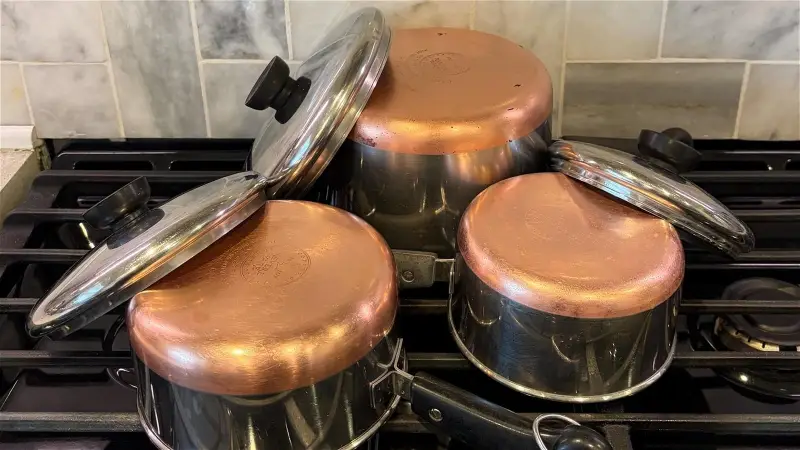
Vintage Revere Ware has two qualities that make it stand out on a thrift store shelf: a copper-bottomed design introduced in 1939 and a long record of everyday use. The older pots and pans combine stainless steel with copper, bringing together a durable cooking surface and a metal that conducts heat well. For cooks who find a sound example at a low price, that combination can make an appealing alternative to more expensive cookware.
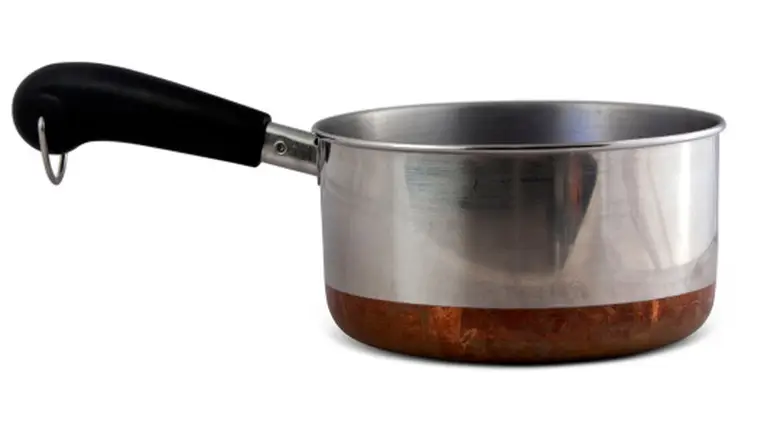
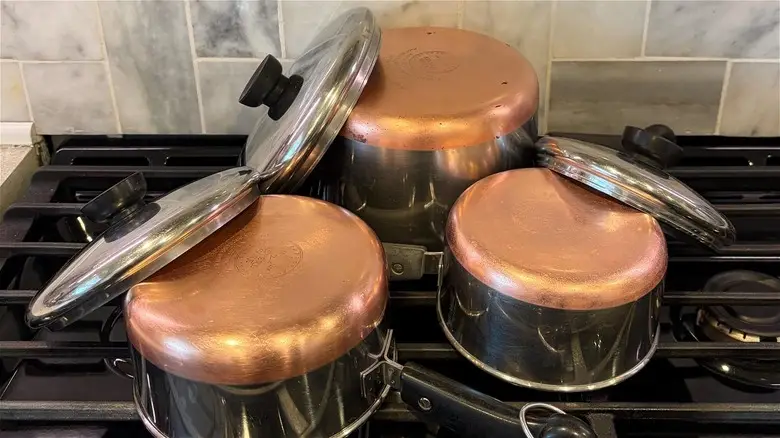
Revere Ware helped bring this copper-and-stainless design to American home kitchens. Its early cookware became popular through the middle of the 20th century, and pieces made before 1968 are now the ones many collectors and home cooks seek. Their appeal is practical as well as nostalgic: a well-kept pot can still be useful, and its recognizable copper base gives it a distinct look.
What to look for on the base
The most useful first check is the stamp on the bottom. Revere Ware made before 1968 has a circular mark with the brand logo and the words “Pat. Pending” or “Process Patent.” That clue can help distinguish the earlier cookware from later pieces, which vary more in their construction and design.
Weight offers another point of comparison. The earlier pots are described as noticeably heavier than newer Revere Ware. If a piece has the circular stamp and feels substantial, those clues point toward the era prized by many buyers. They don’t guarantee that a pot is in good condition, though, so inspect the piece itself before deciding it’s a worthwhile find.
Take a moment to check the base and sides for visible damage. The distinction matters because some cooks report that later versions were more prone to warping or peeling, while the earlier construction is the draw. A stamp can tell you something about a pot’s age; its present condition tells you more about whether it suits your kitchen.
Why the year matters
Fans often mark 1968 as the end of Revere Ware’s strongest period. That year, the company reportedly made the copper and stainless steel layers thinner to reduce costs. Cooks found that the newer pans could heat less evenly, and some reported warping or peeling. The thinner construction changed what buyers valued in the older pots: the copper base was still part of the design, but its thickness affected how well the cookware performed.
After those changes, Revere Ware went through sales, mergers and bankruptcies. Production ended by the 2010s. A possible return has been discussed, with a Revere Ware trademark pending at the time of writing, but that doesn’t change what a shopper can identify in a vintage piece today. The practical focus remains the manufacturing era, the stamp and the pot’s condition.
A thrift store price can make the search worthwhile
Price is part of the attraction. All-Clad sets can cost well over a thousand dollars, while Revere Ware sets of a similar size have been listed online for a few hundred. Thrift shops and estate sales may offer individual pieces for much less. One Reddit user reported buying a Revere Ware pot at a thrift store for 50 cents, an example of how dramatically a secondhand price can differ from a new cookware set.
That bargain potential is a reason to look carefully rather than assume every copper-bottomed pot is equally desirable. An older piece may offer useful performance and a classic appearance for a modest outlay, but later cookware can differ in quality. Checking the base stamp and heft gives you a quick way to narrow the search before you buy.
Keep expectations grounded
Some owners say their vintage Revere Ware has continued working well for decades, even across generations. Those accounts help explain its staying power, but condition and use vary from pot to pot. Treat a thrift store find as an individual piece: look for the pre-1968 markings, compare its weight, and judge the cookware in front of you rather than relying on the brand name alone.
Revere Ware’s story is a reminder that a familiar design can gain value as its construction changes over time. If you spot a heavy pot with the circular logo and “Pat. Pending” or “Process Patent” on its base, it may be an early piece worth a closer look—and a practical addition to the kitchen if it’s in good shape.