Kraft Heinz to Sell Maxwell House and Six Coffee Brands in $650 Million Deal
- Daily Coffee News Staff
- 347 views
One Rock will acquire Kraft Heinz’s North American coffee business, including seven brands and two facilities, while Kraft Heinz keeps a 30% stake.
Kraft Heinz is preparing to hand over control of a group of familiar North American coffee brands while retaining a minority stake in the business. The proposed $650 million sale to One Rock Capital Partners covers seven brands and two manufacturing facilities, and is expected to close in mid-2027, subject to approval and other conditions.

The portfolio includes Maxwell House, Gevalia, Nabob, Yuban, Tassimo, Ethical Bean and Sanka. Its production footprint includes a coffee facility in Jacksonville, Florida, and another in Vancouver, British Columbia. Approximately 250 full-time employees are expected to move with the business, spanning manufacturing, sales, marketing, finance, human resources and research and development.
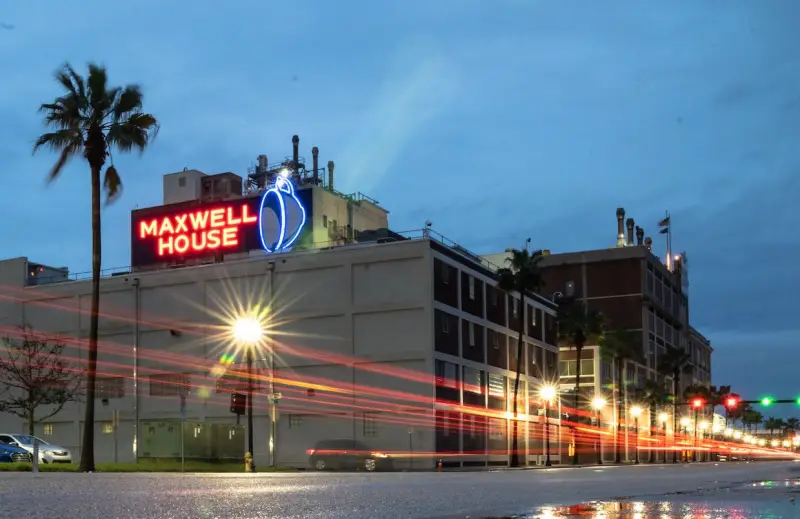
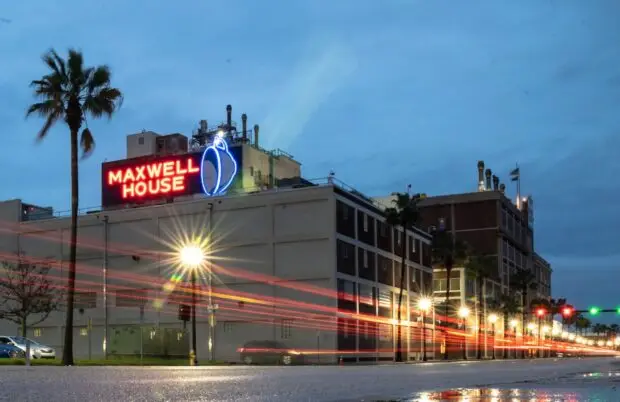
The Maxwell House factory in Jacksonville, Florida.
What the deal means for Kraft Heinz
Kraft Heinz will keep a 30% non-controlling ownership stake after the sale. The company expects to receive approximately $500 million in net cash proceeds after taxes and says it plans to use that money to reduce debt. The $650 million valuation and the projected cash proceeds describe different parts of the transaction: the former is the deal’s stated value, while the latter is the amount Kraft Heinz expects to retain after taxes.
The company hasn’t disclosed the coffee division’s revenue or profitability in connection with the sale. That leaves unanswered questions about the business’s financial performance and how much each brand or facility contributes. The announced terms instead offer a clearer picture of the handoff’s scope: a broad collection of brands, production sites in two locations, and hundreds of employees moving with the operation.
The transaction follows a wider restructuring effort at Kraft Heinz. In September 2025, the company announced plans to split into two publicly traded companies; it paused those plans in February 2026. The coffee sale is a separate step, but it continues a period of change in how the company organizes its portfolio.
A long history behind the brands
Kraft Heinz’s connection to coffee stretches back through several corporate predecessors. Maxwell House belonged to General Foods, which was combined with Kraft in 1989 under then-parent Philip Morris. The coffee business stayed with Kraft Foods Group after that company separated from what became Mondelēz International in 2012. Kraft merged with H.J. Heinz in 2015.
The portfolio also grew through a more recent addition. In 2018, Kraft Heinz acquired the assets of Ethical Bean Coffee, a Vancouver-based roasting company founded in 2003 and certified Fairtrade and organic. Including Ethical Bean in the proposed sale places a specialty roaster alongside longstanding mass-market labels and the Tassimo system brand.
For the buyer, that mix brings together different kinds of coffee businesses under one ownership structure. One Rock Capital Partners focuses on acquiring and restructuring businesses, including corporate divestitures. In 2021, the firm acquired Nestlé’s North American bottled water business. One Rock Managing Partner Tony W. Lee said the firm intends to increase investment across the coffee brands, improve the consumer experience and strengthen relationships with retail partners.
Coffee costs add context
The sale comes as green coffee markets remain volatile. In its 2025 financial results, Kraft Heinz cited higher coffee costs as one reason for consumer price increases, alongside declining coffee sales volumes. Those pressures provide useful context for the business changing hands, though the company hasn’t published division-level revenue or profit figures that would show their precise effect on the brands in this deal.
For coffee businesses, movements in green coffee prices can shape sourcing costs and pricing decisions, while changes in sales volume affect how much product moves through manufacturing and retail channels. When those pressures occur together, companies have to weigh the cost of inputs against what consumers will buy. The available figures don’t reveal how those factors played out across Maxwell House, Gevalia or the other brands individually.
The next clear marker is the expected mid-2027 closing. Until then, Kraft Heinz retains control of the business, and the announced plan leaves it with a 30% stake after completion. The practical questions to watch are how One Rock develops the brand portfolio and what the ownership change means for the Jacksonville and Vancouver operations and the employees expected to transfer with them.