GLP-1 Vision Warning: What the Rare NAION Risk Could Mean for Demand
- Augustus Bambridge-Sutton
- 787 views
New label warnings flag a potential NAION risk, but the condition remains rare and no causal link to GLP-1 medicines has been established.
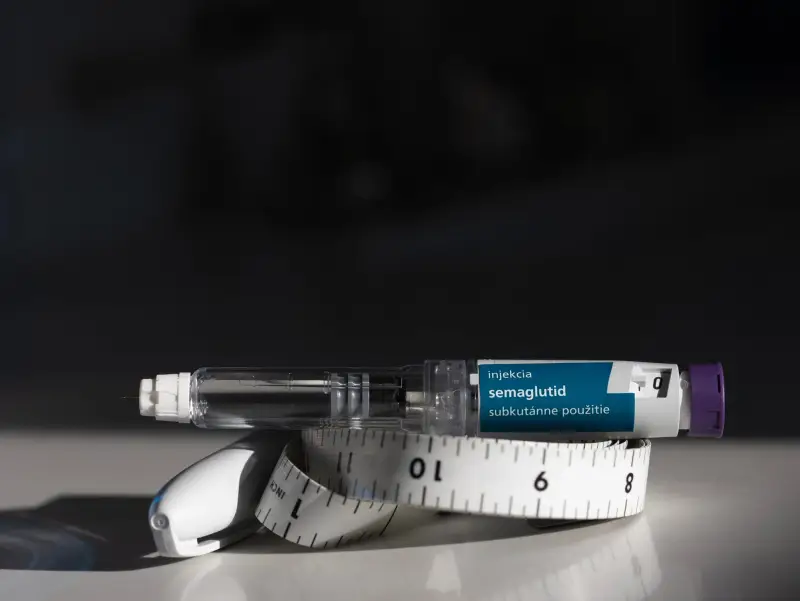
A rare vision condition enters the GLP-1 conversation
New label warnings put a rare eye condition into the discussion around GLP-1 medicines, but the available figures and expert views point to a measured effect on demand. The potential risk deserves attention; the evidence described so far does not establish that the medicines cause non-arteritic anterior ischemic optic neuropathy, or NAION.
NAION can cause a sudden, painless decrease in vision in one eye, and vision loss may be permanent. A person who has had NAION in one eye also faces an increased risk of it occurring in the other. These consequences make the warning significant for patients weighing treatment, even though the condition remains rare.
Manufacturers will add information about the potential risk to the Warnings and Precautions section of GLP-1 medicine labels. That placement makes the issue part of the prescribing information patients and healthcare professionals encounter, rather than a concern confined to media coverage. The practical question is whether that added visibility changes how people view treatment.
What the available numbers show
A meta-analysis of 126 clinical trials compared reported NAION cases among people taking GLP-1 medicines with cases among people taking a placebo or other glucose-lowering medicines. The analysis found 6.4 cases per 100,000 person-years among GLP-1 users, compared with 3.8 per 100,000 person-years in the comparison groups.
Those rates indicate a difference in the analyzed groups, but they do not establish that GLP-1 use caused the condition. No causal relationship has been established. The figures also show why the issue is being described as a potential increase in risk while NAION remains uncommon.
Earlier research had already examined a possible association. A 2025 study found an increased risk of NAION among older GLP-1 users with type 2 diabetes. That finding adds to the questions researchers are examining; it does not, by itself, prove a cause-and-effect relationship.
Why a label change may not shift uptake sharply
Industry observers quoted before the label change expected safety concerns of this kind to have limited influence on use. Maha Tahiri, CEO and founder of S2B Group, said consumers in Europe had not been focused on safety concerns around GLP-1s. That observation came before the warnings were announced, so the effect of seeing the risk in product labeling remains an open question.
Barb Stuckey, chief new product strategy officer at food product development consultancy Mattson, also expects the warning to have little effect on demand. Her reasoning is that NAION is rare, and that a warning in prescription labeling is unlikely to outweigh the perceived benefits for many users. She expects GLP-1 use to continue rising, while recognizing that patients may respond differently to risk information.
That distinction matters for companies watching the broader market. A label warning can make a potential side effect more visible without changing how every patient evaluates treatment. Some may want to discuss the risk with a healthcare professional; others may give greater weight to the benefits they expect. The available information does not quantify how many people will make either choice.
Manufacturers emphasize the evidence limits
Novo Nordisk, which makes Ozempic and Wegovy, says the available data do not establish a cause-and-effect relationship and that it remains confident in the benefit-risk profile of its GLP-1 medicines. Its representative, Liz Skrbkova, also acknowledged the serious impact NAION can have on patients and their families.
Eli Lilly, maker of Mounjaro and Zepbound, said the safety communication applies to medicines with GLP-1 receptor agonist activity and does not identify findings specific to Lilly products. The company said it would continue reviewing available data, including information on eye-related events, and advised people experiencing side effects while taking its medicines to speak with a doctor or other healthcare professional.
Those responses reflect the central tension: the warning applies across GLP-1 medicines, while the evidence presented does not establish causation or a product-specific finding for Lilly. For patients, the label gives a reason to take the potential eye risk into account in a treatment discussion. For businesses tracking uptake, the condition’s rarity and the unresolved causal question suggest caution before assuming the warning will produce a large change in demand.
What to watch next
The clearest takeaway is that the warning changes the information carried on labels, while the scale of any effect on use is still uncertain. The reported rate was higher among GLP-1 users in the analysis, but NAION remained rare and no causal link had been established. Future evidence and patient responses will shape how much weight this risk carries alongside the benefits people associate with treatment.
For now, the label addition is a meaningful point of discussion rather than a clear signal that demand will fall. The next useful measure will be whether the new warning changes patient conversations or treatment choices as people and healthcare professionals weigh the potential risk against expected benefits.