Why Food and Drink Brands Need Distinctive Names, Packaging and Shapes
- Donna Eastlake
- 751 views
Crowded shelves and fast moving trends raise the stakes for brand identity. Early searches and clear design choices can help food makers avoid costly disputes.

Brand identity has become a central business decision for food and drink makers. On crowded shelves, familiar names, packaging, colours and product shapes can influence a quick purchase as strongly as the food itself. That recognition carries commercial value, and brands are increasingly prepared to defend it.
Recent disputes involving Mondelēz International and two British brands have focused on different parts of brand identity: the shape of a product in one case and a name in another. They illustrate how far a brand’s identity can reach beyond its name or logo. As product ranges expand and competitors jostle for attention, disputes over similarities are likely to become more common.
Recognition is part of the product’s value
Daniel Kelly, legal director in the Intellectual Property team at Shakespeare Martineau, says shoppers often associate familiar names, logos, packaging, colours and shapes with taste and quality. The brand, in other words, contributes to what customers believe they’re buying.
When products are otherwise similar, Kelly says, a name and visual identity can distinguish one from another, encourage repeat purchases, improve shelf presence and support premium pricing. Laurie Bray, a senior associate at Withers & Rogers, sees trade marks as a way to establish a brand’s place in the market and build trust over time. Copycat products, she says, can put both reputation and market share at risk.
That makes brand choices an early product decision, not just a finishing touch. A distinctive identity can help a new product stand apart; a poorly checked one may create expensive problems once production, packaging, advertising and retailer listings are underway.
Check the identity before investing in it
Bray advises building intellectual property planning into the earliest stages of brand development. Businesses can search for conflicts before they settle on a name, logo or package design, and before they spend heavily on a launch.
Kelly recommends checking for names and designs that are confusingly similar, including in adjacent categories. A search limited to identical product names could miss a resemblance in packaging, logos or overall presentation. Those details matter because shoppers encounter a brand as a whole, often making decisions quickly.
The earlier a potential conflict surfaces, the more room a company has to adjust its identity. Once product is made and marketing is in motion, a change can mean revising packaging, promotional material and retailer listings. For smaller makers, the cost and disruption of a dispute can weigh heavily even when they have grounds to challenge a claim.
Distinctive shapes can carry a brand
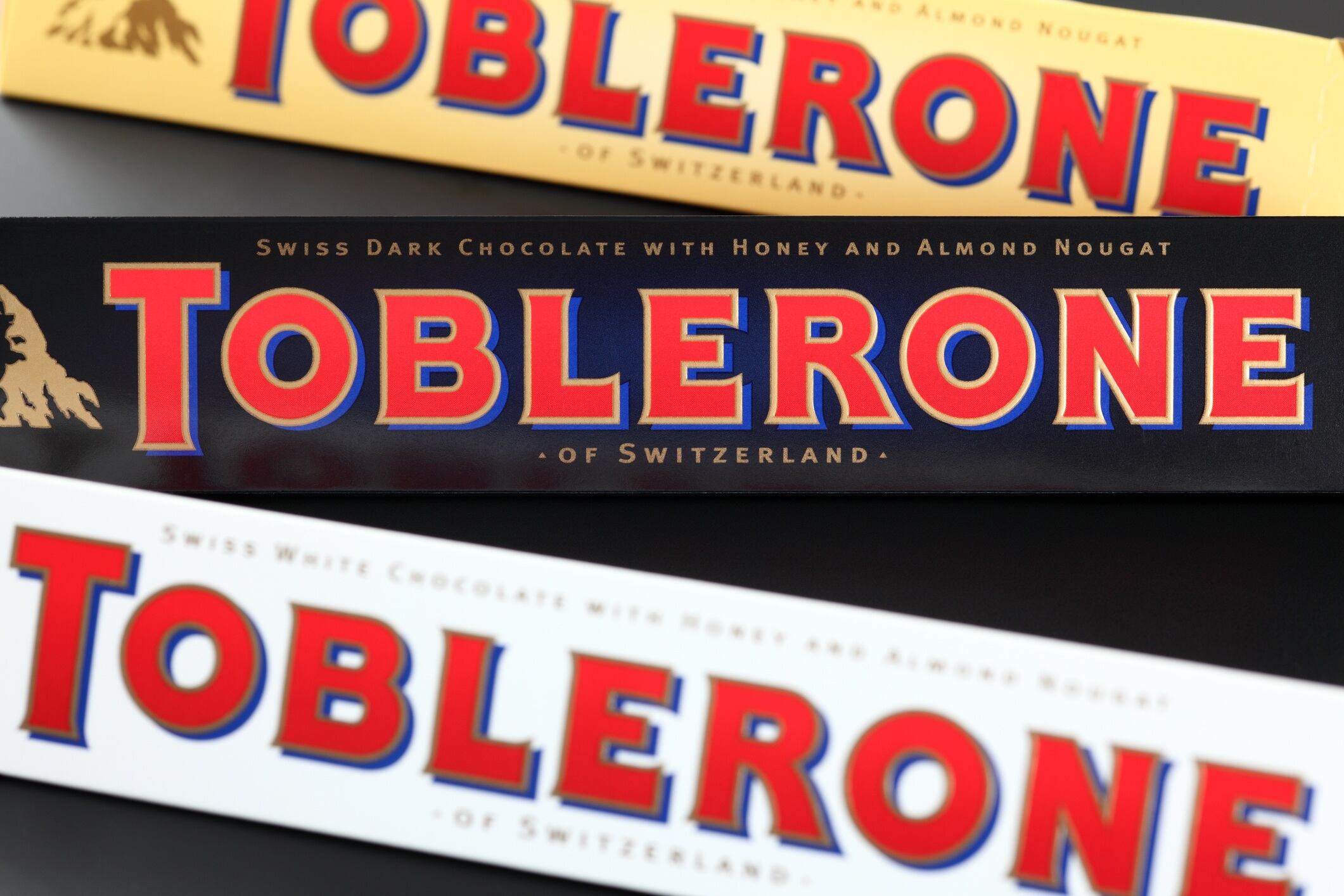
Names and logos are the most familiar forms of brand identity, but packaging and product shapes may also act as identifiers. Kelly points to the triangular prism associated with Toblerone and the classic Coca-Cola bottle as examples of shapes that consumers can connect with a particular product. Consistent promotion helps build that recognition.
Shape protection can be harder to secure than protection for a word mark. Recognition alone may not be enough: Nestlé’s attempt to register the four-finger KitKat shape was unsuccessful. Bray suggests weighing how important the shape is to the product, whether it is distinctive enough to merit an application, and whether another route, such as a registered design or patent, might fit better.
The practical test is distinctiveness. An unusual name, package or visual identity is generally easier to distinguish and protect than a descriptive phrase or a commonplace design. Companies developing a brand should consider what shoppers will remember and what genuinely sets the product apart.

Room for new ideas, with clear identities
Kelly and Bray say brand protection can coexist with competition. Businesses can create alternative products, but should develop their own identities instead of moving unnecessarily close to an established name, package or presentation to benefit from its recognition.
For smaller challengers, the imbalance in resources can feel stark. Larger companies may have broader portfolios and more money to spend on disputes, but size alone doesn’t settle who has the stronger case. Rights holders still need to establish their claims, and smaller businesses can challenge them. Even so, legal costs and disruption make early checking particularly valuable for a new brand.
More products, more chances for conflict
Kelly expects disputes to grow as shelves become more crowded, seasonal and limited edition ranges multiply, and social media accelerates attention around launches. Influencer marketing can build recognition quickly; it can also bring scrutiny to alleged similarities within days. Bray points to the sector’s pace of innovation: more new products entering the market create more opportunities for clashes.
Food and drink businesses can reduce avoidable friction by searching thoroughly before launch, registering distinctive names and visual assets early, monitoring new filings and market activity, and keeping records of advertising and brand development. Registrations should be reviewed as the business grows, while any enforcement approach should match the value of the rights being protected.
The strongest brand strategy starts with a clear identity and checks it before launch costs accumulate. As ranges grow and new products compete for attention, distinctive choices and careful monitoring can help preserve the recognition a business has worked to build.