Ina Garten’s Whiskey Sour Test for a Great Cocktail Bar
- [email protected] (Marco Sumayao)
- 701 views
Ina Garten judges cocktail bars by their whiskey sours, where fresh juice, good whiskey and careful balance make every detail count.

A whiskey sour is Ina Garten’s test for a good cocktail bar. The drink is familiar and relatively simple, which makes it revealing: when there are only a few components, the whiskey, the freshness of the juice and the balance between them all have room to show. Garten has said she rarely orders one in restaurants because too many are made with sour mix instead of fresh juice.

That’s a practical standard for a home cook, too. A bar doesn’t need an elaborate cocktail list to show care; a well-made classic can tell you plenty about how its bartenders handle ingredients and proportion. The whiskey sour is easy to recognize, but easy to misjudge if its parts don’t come together. A syrupy drink, one that tastes sharply sour, or one where the whiskey disappears can make the imbalance plain.
Garten’s preferred whiskey has varied by context. Her 2006 cookbook, Barefoot Contessa at Home, gives a recipe using Jack Daniel’s Tennessee Whiskey, while she recommended Knob Creek bourbon in a 2017 Bon Appétit story. Those choices leave room for personal taste: the key lesson is to use a whiskey you enjoy and let its character come through. The specific bottle matters, but it can’t compensate for stale juice or a poorly balanced drink.
Fresh juice makes the difference
Garten’s preference for fresh juice is the clearest piece of advice in her approach. Sour mix may seem convenient, but it replaces the fresh citrus that gives a whiskey sour its bright, direct flavor. Freshly squeezed juice has a liveliness that matters in a drink with so few ingredients. It also lets the whiskey remain part of the conversation instead of burying it under a generic sweet-and-sour taste.
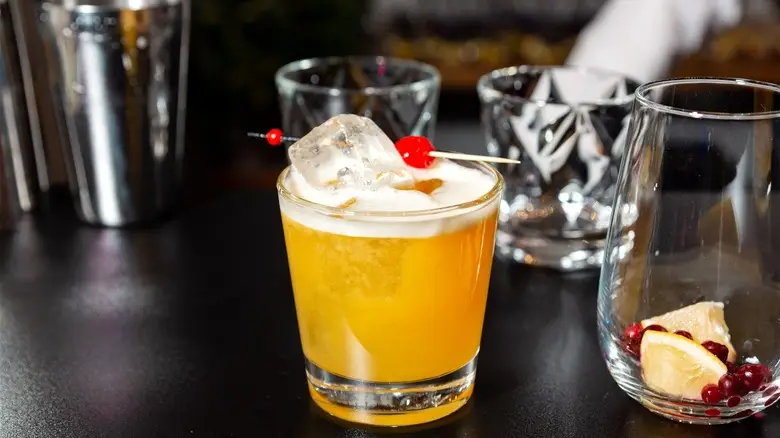
Balance is the other part of the test. The ingredients need to work together, rather than letting sweetness, citrus or whiskey dominate. That depends on both the quality of the components and their proportions. The classic whiskey sour is often built from a short list, so small differences in how the ingredients are measured can shape the finished drink. Follow a reliable recipe’s quantities instead of guessing, especially when making a round for guests.
At home, fresh citrus is the useful starting point. Taste the drink once it’s mixed and pay attention to what stands out: the whiskey should still be recognizable, while the citrus should give the cocktail lift. If one flavor overwhelms the others, adjust with care and keep track of what you changed. That’s more useful than adding sweetener or juice at random, which can send the drink further out of balance.
A favorite that became a shared ritual
Garten’s attachment to whiskey sours goes back to childhood. In a March 2026 post on BarefootContessa.com, she recalled that her father loved the cocktail and would let her nibble on its cherries. That memory helps explain why the drink carries more meaning for her than a convenient way to judge a bar: it’s tied to family, familiarity and a taste she has enjoyed for years.
She has also turned the cocktail into a way to compare places with friends. The bar test began during a New Year’s Eve outing more than a decade ago. Garten and her friends visited six bars, ordered a whiskey sour at each and compared their impressions. It’s an appealing format for a casual bar crawl because everyone can try the same kind of drink and notice what changes from one stop to the next. The comparison doesn’t require technical tasting language; fresh citrus, a clear whiskey flavor and a balanced finish are enough to start a conversation.
Another whiskey sour story came from a 2014 Food Network Magazine photo shoot at Garten’s home, where she was making pavlovas with Taylor Swift. As People reported, Swift said she had never tried a whiskey sour. Garten asked her assistant to bring out a pitcher that was already in the refrigerator, and Swift got her first taste around 11:30 in the morning.
That pitcher is a reminder that a classic drink can be both a personal favorite and a generous thing to share. For Garten, the whiskey sour connects a childhood memory to dinners, friends and a simple way to assess a bar. For anyone ordering one, the test is straightforward: look for fresh juice, a whiskey that holds its own and proportions that let the whole drink feel balanced.