Creamy Stovetop Mac and Cheese for a Crowd
- Lindsay
- 478 views
A silky cheddar and Gruyere sauce coats elbow macaroni in this crowd-friendly stovetop favorite, with make-ahead steps to ease serving.

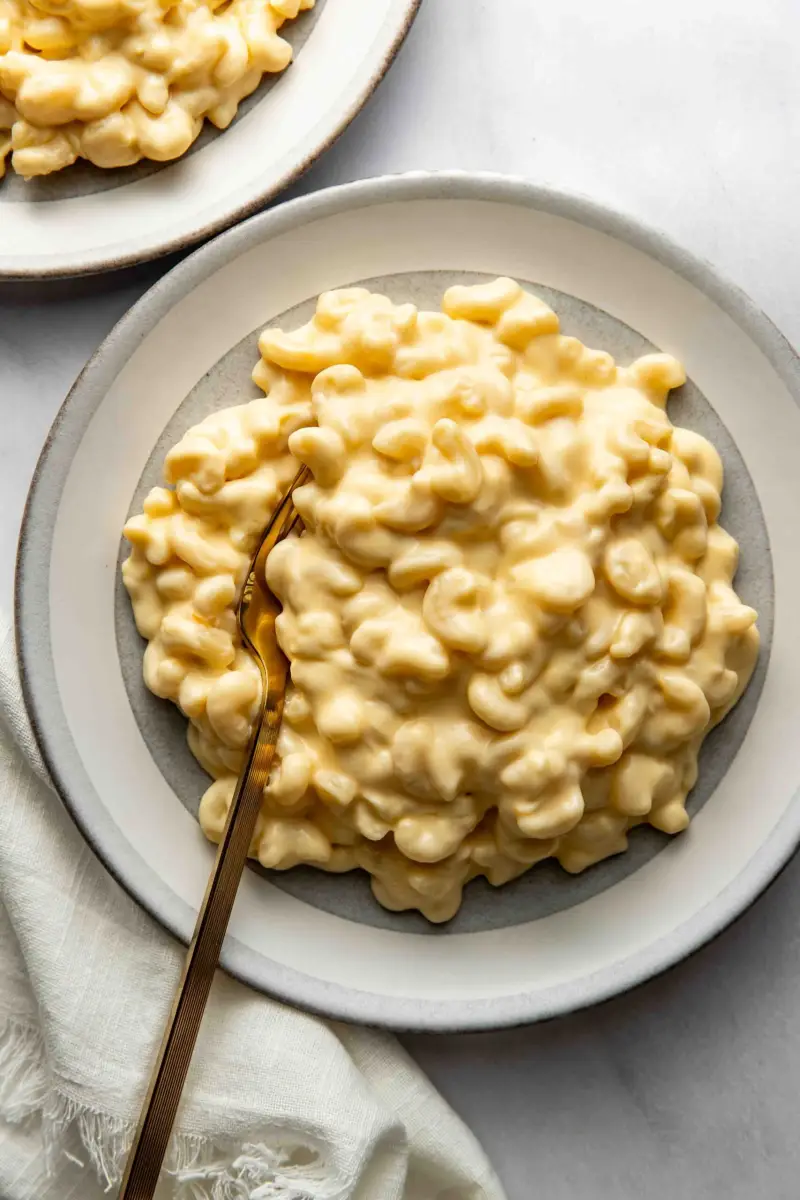
A creamy centerpiece for a gathering
This stovetop mac and cheese is built for the moment a weeknight favorite needs to feed a tableful of friends. It makes 8–10 servings and takes 30 minutes total: 10 minutes to prepare and 20 minutes to cook. Its appeal is a thick, velvety sauce that clings to every elbow of pasta, with a mellow cheddar and Gruyere combination bringing both familiar comfort and a little nuttiness.

The recipe has earned a place at group dinners because its parts can be prepared ahead. Cook the pasta, grate the cheese, and make the butter, flour, and milk sauce in advance. Close to serving time, rewarm the sauce, melt in the cheese, and fold in the noodles. A little warm water brings the finished dish back to a loose, creamy consistency.

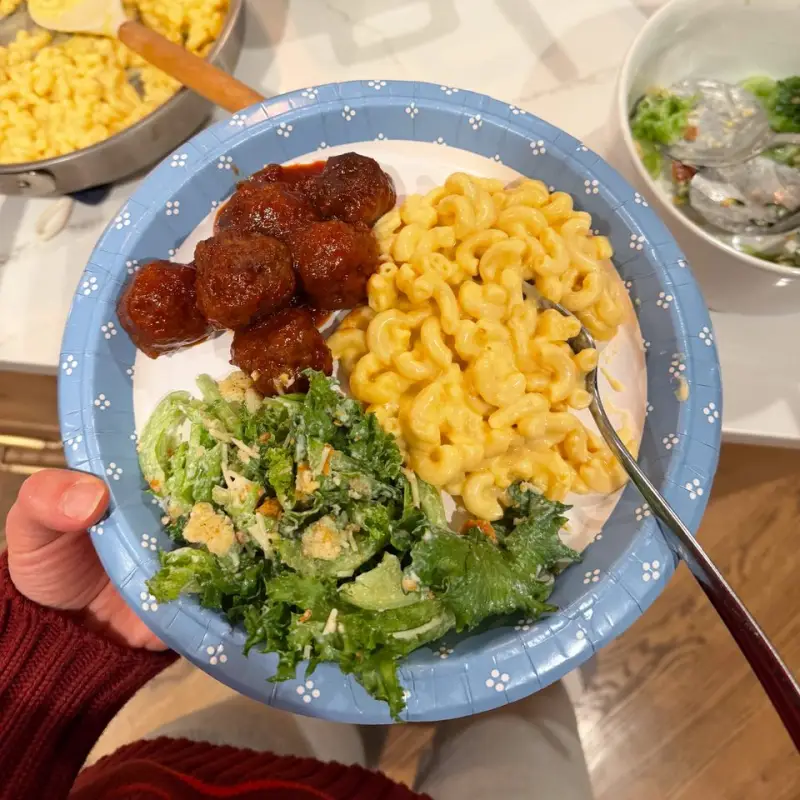
For another meal, it can share the table with BBQ meatballs. The cheese is flexible, too: mild cheddar and Gruyere are the preferred pairing, while straight cheddar or a few slices of American can give the sauce a milder, creamier character. Freshly grated cheese is recommended for the smoothest melt.
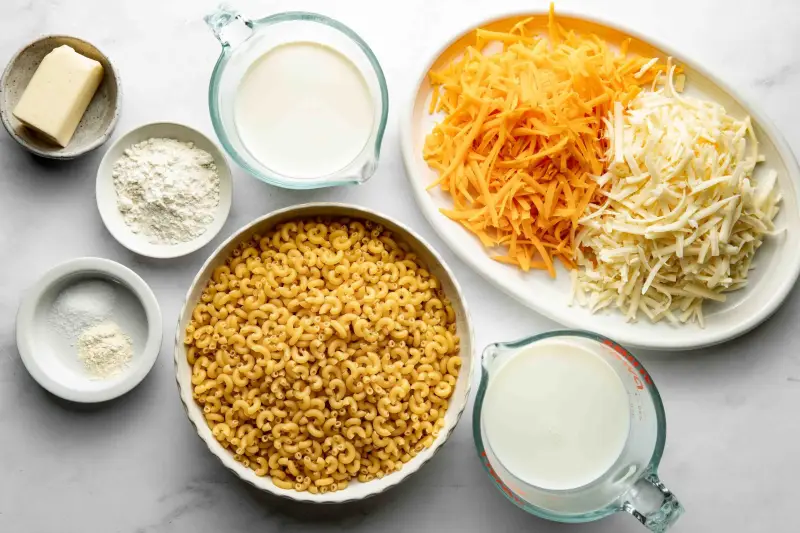
Ingredients
- 1 lb elbow macaroni
- 4 tablespoons salted butter
- 3 tablespoons all-purpose flour
- 1/2 teaspoon onion powder (optional)
- 1/2 teaspoon kosher salt
- 2 1/2 cups 2% milk
- 1/2 cup heavy cream
- 4 cups freshly shredded cheese (15 ounces, or two blocks; mild cheddar and Gruyere are recommended)
- 1/2 to 3/4 cup warm water, to finish
Make the sauce smooth
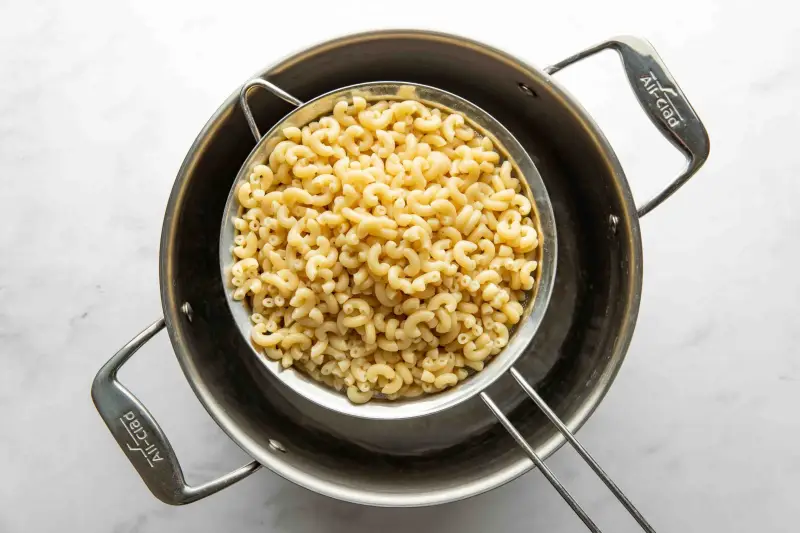
Cook the elbow macaroni according to the package directions, adding a generous pinch of salt to the cooking water. Drain the pasta, set it aside, and drizzle it with a little oil so the pieces don’t stick together while you make the sauce.

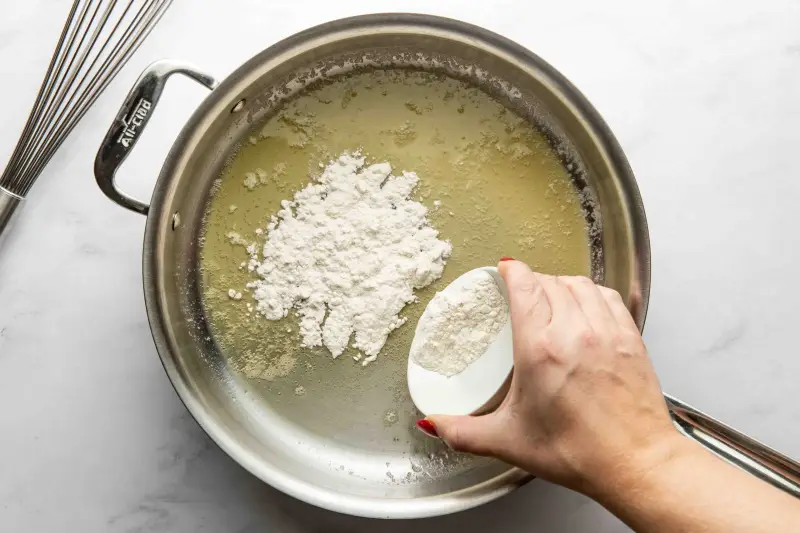
In a large skillet or Dutch oven, melt the butter over medium-low heat. Whisk in the flour and let the mixture bubble for 2–3 minutes. This short cooking time helps remove the raw flour taste. Stir in the onion powder, if using, and the kosher salt.

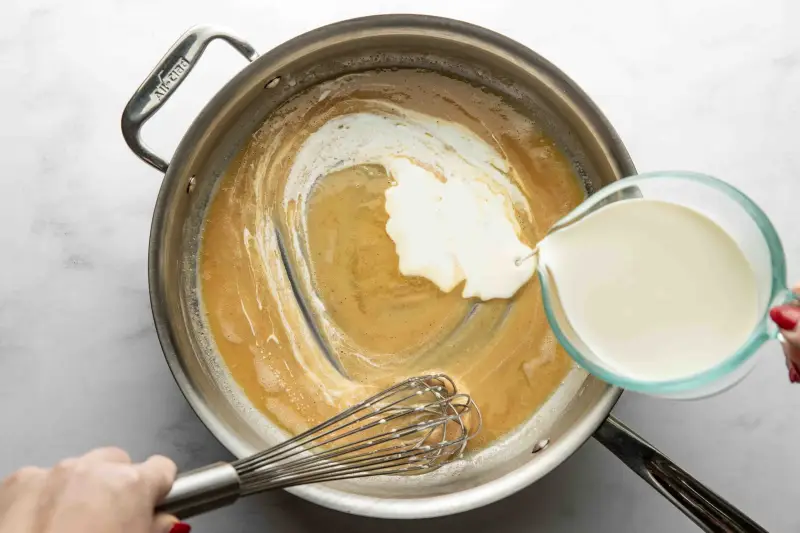
Pour in the milk slowly, about 1/2 cup at a time, whisking after each addition. The mixture can look clumpy at first; keep whisking as you add the remaining milk and it will smooth out and thicken. Adding the liquid gradually gives the roux time to incorporate it evenly, so resist the urge to tip in all the milk at once.

Add the heavy cream and simmer, whisking, until the sauce is smooth and lightly thickened. Then turn off the heat. The sauce should still be warm enough to melt the cheese, but it shouldn’t be boiling hot when the cheese goes in.
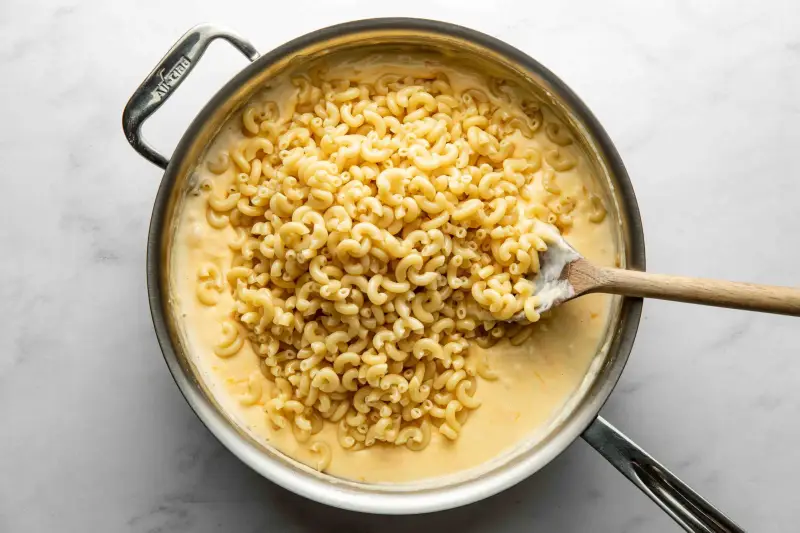
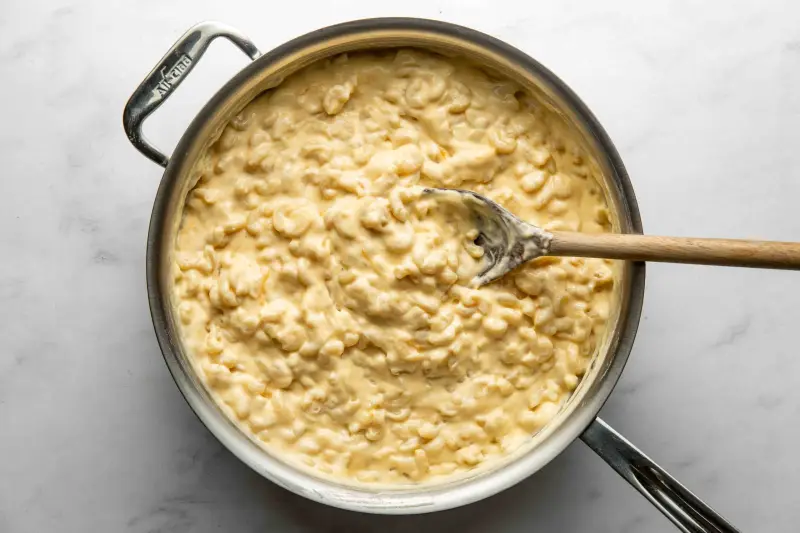
Stir in the freshly shredded cheese until it melts completely. If it doesn’t melt smoothly, return the pan to low heat and stir gently. Once the cheese has melted, add the cooked macaroni and coat it in the sauce. Stir in warm water a little at a time, using 1/2 to 3/4 cup in total as needed to reach your preferred consistency. Serve immediately.


Getting ahead for guests
For easier timing, prepare the pasta, shredded cheese, and béchamel—the butter, flour, and milk sauce—before guests arrive. When it’s nearly time to eat, rewarm the sauce, whisking in water to smooth it out again. Melt the cheese into the warm sauce, then toss in the noodles.

That last splash of water is especially useful when the sauce has been chilled or has thickened while waiting. Add it gradually and stir between additions; the goal is a sauce that coats the pasta while staying soft and creamy. This dish thickens as it rests, so plan to serve it soon after mixing rather than leaving it on the table for a long stretch.

Cheese and serving notes
A block of cheese that you grate yourself is the recommended choice here. Mild cheddar and Gruyere make a balanced pair; using all cheddar keeps the flavor straightforward, while a few slices of American can soften the overall taste and lend extra creaminess. The recipe leaves room to choose the blend that suits the table.
Keep the method simple: give the roux its 2–3 minutes, whisk in the milk in small additions, and take the pan off the heat before the cheese goes in. Finish with warm water as needed and serve while the sauce is at its loosest. That timing is what helps a big-pan batch stay creamy from the first serving to the last.