PepsiCo Builds Riyadh R&D Hub Around Middle Eastern Flavours
- Audrey Yow
- 676 views
A $10 million Riyadh hub will test recipes, packaging and consumer responses as PepsiCo explores regional preferences and new Saudi soda flavours.
Local research moves closer to product development
PepsiCo’s new Riyadh research and development hub gives the company a dedicated place to study Middle Eastern preferences and develop products and packaging for the region. Opened in September 2026, the US$10 million facility brings recipe work, consumer research, sensory testing and technical development together under one roof.
The approach puts local research nearer to the decisions it is meant to inform. Rather than relying only on products developed elsewhere and adapted for the region, PepsiCo can explore how ingredients, formulations and packaging may suit local tastes. Ahmed El Sheikh, CEO of Middle East, North Africa and Pakistan Foods at PepsiCo, described the aim as being able to “innovate locally rather than adapt globally.”
The hub includes a culinary kitchen for recipe development, along with facilities for consumer research and sensory testing. Laboratories support quality testing, packaging development and seasoning work. PepsiCo plans to employ local scientists and engineers, who will also work with the company’s research and development network in Brazil, China, Germany, Mexico and the US.
That combination matters because product development depends on more than identifying a flavour people recognise. Teams can use feedback and sensory testing to assess how a formulation is received, while packaging and quality work can be considered alongside recipe decisions. The facility gives PepsiCo room to investigate those questions locally; the company has not yet named specific beverages that will result from its research.
Majed Oushi, PepsiCo’s Middle East research and development head, said the hub would let the company respond more directly to consumer feedback. “For the first time, we can work directly from what people tell us in real time and under one roof,” he said. “That means we can move faster and stay closer to what people want.”
Traditional flavours offer a starting point
Interest in traditional and nostalgic flavours provides useful context for the Riyadh investment. A 2025 Innova Market Insights report found that 44% of consumers globally say these flavours influence their food and beverage purchasing choices. In the Middle East, launches featuring traditional flavours recorded a compound annual growth rate of 5% over the past five years. Launches featuring sumac grew by 14% over the past year.
Those figures cover food and beverage launches, rather than beverages alone. They point to a broader interest that manufacturers may explore across product types, but they don’t establish how consumers will respond to a particular drink. For PepsiCo, the hub’s consumer research and sensory testing provide tools to examine that response directly as the company considers ingredients and formulations.
Regional flavour profiles cited in the market include zaatar, shawarma and baharat spice. Traditional ingredients are appearing in categories ranging from seasonings and snacks to dairy, bakery and confectionery. Moving a familiar flavour into another format still calls for testing: the ingredient must work with the product’s other tastes, and consumers need to find the finished combination appealing. The source material gives no specific recipes or test results, so the effect of these profiles on future PepsiCo beverages remains open.
PepsiCo’s stated focus on locally inspired seasonings gives the Riyadh team scope to explore how regional preferences might inform product development. Its facilities could support investigation of different ingredients and formulations, while consumer feedback helps the company understand the response. That describes the hub’s capabilities, not a confirmed pipeline of regional-flavour drinks.
Saudi Arabia launch shows another flavour direction
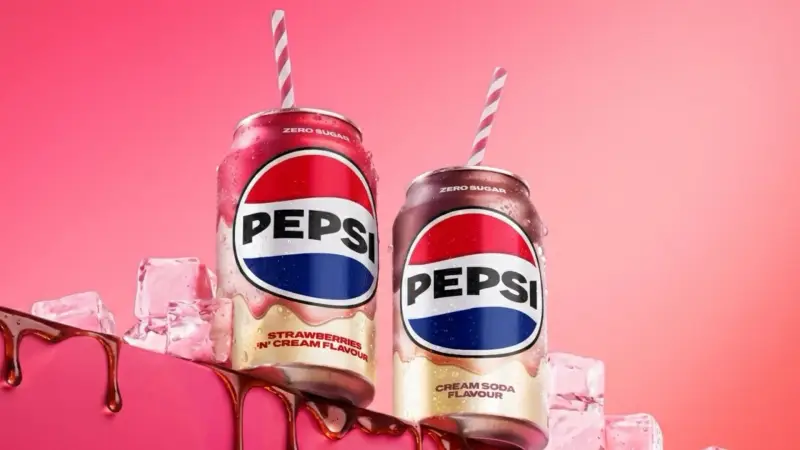
One flavour-led development already in PepsiCo’s beverage portfolio is Pepsi Treats, a range of zero-sugar, dessert-inspired sodas launched in Saudi Arabia in October. The lineup includes two varieties, sold in 330 ml cans and larger plastic bottles.
Strawberries ‘N’ Cream pairs cola notes with sweet strawberry and creamy vanilla undertones. Cream Soda takes a vanilla-forward approach. These flavours show how PepsiCo is exploring dessert cues in soda, while the Riyadh hub is intended to help the company investigate local preferences more broadly. The available information does not link either drink to research conducted at the facility.
The distinction is useful: a regional product launch offers a concrete example of flavour exploration, while the hub represents a set of capabilities that may support future work. No specific beverage launches have been identified as outcomes of the facility’s research.
Building distinction in a crowded category
PepsiCo’s regional investment comes amid strong competition with Coca-Cola, particularly in carbonated soft drinks. Both companies have established global brands and broad beverage portfolios. Product differentiation and consumer engagement are therefore relevant as each company works to hold consumer interest across the Middle East.
PepsiCo has several routes to develop its regional portfolio: local research, product reformulation and customised beverage experiences. The Riyadh hub adds a place to test ideas close to the consumers they are designed for, while its connection to teams in five other countries creates a path for sharing research and capabilities across markets. How those connections shape future products remains to be seen.
For now, the clearest takeaway is that PepsiCo is investing in the means to study local preferences in greater detail. The facility’s kitchens, laboratories and consumer research capabilities can support that work, while traditional flavours and the Saudi Pepsi Treats lineup offer relevant context for its beverage strategy. Future launches will show which insights translate into products people want to buy.