John Farmer Expands Almond Snacks as Pistachio Supplies Tighten
- Audrey Yow
- 537 views
John Farmer is growing its almond drinks and snacks while managing tighter pistachio supply and building a separate range of Indonesian fruit products.
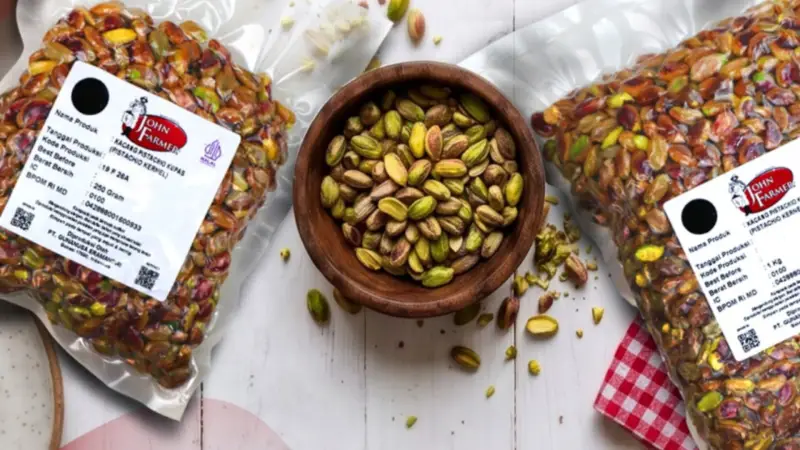
John Farmer’s product range brings together almond snacks, nut drinks and pistachios, with fruit ingredients adding a second source of growth. The mix gives PT Gunanusa Eramandiri Tbk, known as Guna, products for both retail shelves and commercial food customers. It also leaves the company balancing two different sourcing patterns: almonds and pistachios come from abroad, while fruit for its jams and purées comes from Indonesian farmers.
That balance is especially visible in pistachios. Limited availability of Iranian pistachios has put pressure on an ingredient in Guna’s range. The company says it has continued selling salted shelled pistachios at competitive prices, supported by established supplier relationships and purchases made before supply tightened. Those earlier stocks gave it access to more favourable input prices, Shafira Khairani, the company’s digital marketing specialist, said.
Almonds anchor the snack range
John Farmer sells ready-to-eat almonds in plain roasted and chocolate-coated forms. The plain roasted nuts come without added salt or sugar; salted versions are also available. Those salted products are made through original equipment manufacturer arrangements, which let customers choose flavours. That setup gives the company room to adapt the product for different buyers while keeping a familiar almond base.
The range also includes almond slivers designed for uses such as yoghurt toppings. Retail pistachios come plain or caramel-coated, and the company says these products have no added salt or sugar. It also says the products contain no artificial additives. Together, the offerings span straightforward roasted nuts, flavoured snacks and ingredients intended to be added to other foods.
The product choices reflect a health-focused position, though the specific details matter more than a broad label. Plain roasted almonds have no added salt or sugar, while salted almonds and caramel-coated pistachios offer different flavour options. Customers selecting products for retail or food service can weigh those differences against the way each item will be eaten or used.
Almond drinks take the range beyond whole nuts
Guna’s sister retail brand, Almonesia, sells instant almond milk powders in original, chocolate and matcha varieties. The products contain 2% sugar. Khairani described the almond drink as an option for consumers who are lactose intolerant, and said the company uses relatively little sugar in products made with a health focus.
Almonesia’s chocolate version is made with pure cocoa and, according to the company, contains no artificial additives or flavourings. The matcha product has a more specialised ingredient profile: the company says it contains approximately 13% to 15% Japanese matcha powder. That amount contributes to higher production costs and places the product at the premium end of its range.
The range’s appeal depends on both what goes into the powder and how customers use it. Original, chocolate and matcha versions give shoppers distinct flavour choices; the relatively low stated sugar content is another feature the company highlights. The information available does not specify preparation quantities or serving instructions, so those details should be taken from the product packaging.
Indonesian fruit adds a different supply route
Almonesia also makes jams, purées and sauces for business customers. Its jams and purées are made from 100% fruit without added sugar, using fruit sourced from Indonesian farmers. That sourcing gives the business a domestic ingredient stream alongside its imported nuts, although the frozen fruit products still depend on specialised cold storage.
The company states that the frozen products keep for six months when stored below -20°C. They are aimed mainly at business-to-business customers, including J.CO and Dunkin’ Donuts. For customers working with the range, the storage condition and shelf life are practical requirements: the products need suitable refrigeration throughout handling and use.
Almonesia’s almond oil offers another use for the company’s nut ingredients. Made from whole, blanched almonds, it can be used in food preparation and beverages, as well as external applications such as hair care, according to the company. The product therefore reaches beyond snacks and drinks, though the company has not provided further detail on specific uses or handling.
A portfolio with different sourcing needs
Guna has been listed on the Indonesia Stock Exchange under the ticker GUNA since 2024, and its products reach markets across Asia Pacific, Europe and the US. Within that footprint, the portfolio follows two routes: retail snacks and almond milk powders on one side, and frozen fruit ingredients sold mainly to commercial customers on the other.
Domestic fruit sourcing diversifies the ingredient base, but it does not remove the pressures associated with imported nuts. Almonds come from the US, while Iran is a major pistachio producer and an important source for Guna. Khairani said supply of shelled pistachios from Iran has been limited. The company’s processing operations in Indonesia give it control over manufacturing, while the availability and cost of key nuts still depend on overseas supply.
The practical test for this portfolio is whether Guna can keep its products competitively priced as ingredient conditions change. Supplier relationships and earlier purchases have helped with pistachios so far; the broader range also spreads its activity across snacks, drinks and fruit ingredients. For buyers, the clearest distinctions are the product’s ingredients, intended use and storage needs, especially where imported nuts or frozen fruit are involved.