Princes’ €80m French Brands Deal Adds Scale—and a Test of Focus
- Gill Hyslop
- 484 views
Heudebert, Pelletier, Cracotte and Grany bring €119.2m in sales and valuable French production capacity, with integration and expansion still to prove.

Princes’ proposed €80m purchase of four French breakfast and snack brands looks like a practical route to more European manufacturing capacity. The harder question is whether NewPrinces can absorb the business, protect its French customer base and pursue growth elsewhere while it works to turn around its Italian retail operation.

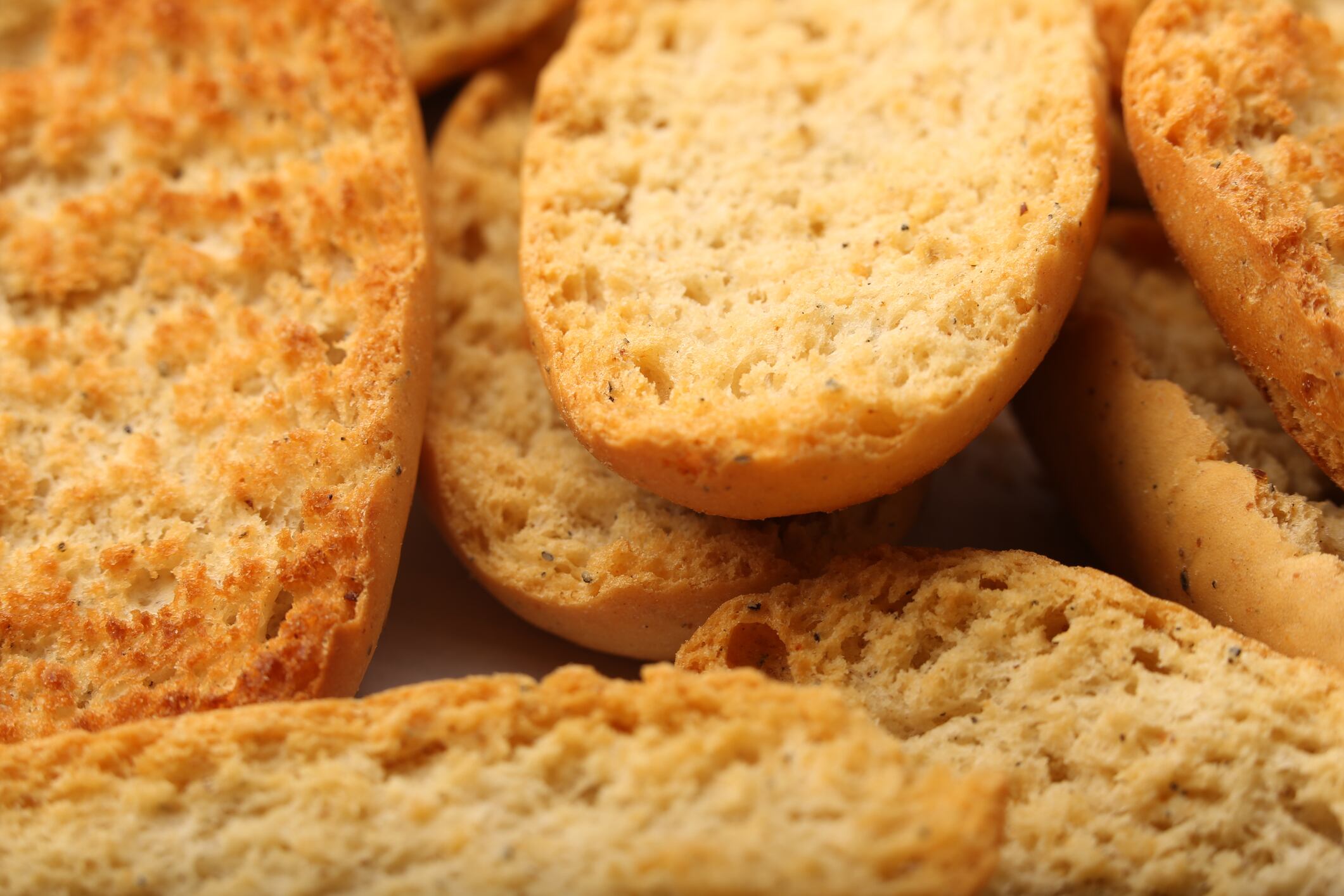
The deal covers Heudebert, Pelletier, Cracotte and Grany, along with three factories in Granville, Vervins and Toulouse and a warehouse in Vervins. In 2025, the brands recorded combined sales of €119.2m and adjusted earnings of €17.7m, a 14.9% margin. The transaction is expected to close in the first half of 2027 and will be funded from Princes’ existing cash resources.
A fit for Princes, a sharper portfolio for Mondelēz
At about 4.5 times adjusted earnings, the price appears manageable. For Princes, the appeal extends beyond familiar names on packaging: the factories add production capacity, while existing distribution and commercial relationships offer a foothold in France. That infrastructure could also support the group’s broader European supply chain.
James Watson, a partner at international management consultancy Argon & Co, sees the purchase as aligned with Princes’ existing portfolio and strategy. He describes the valuation as “pretty middle of the road/not too stretching” and says the assets and relationships could help the company expand further in Europe.
Mondelēz’s decision to sell can make sense at the same time. The four businesses earn a healthy margin, but their predominantly French focus may make them a lower priority alongside globally recognised brands such as Oreo, belVita, LU, Cadbury and Milka. Watson argues that the sale clarifies Mondelēz’s portfolio and removes operations with limited supply-chain synergies elsewhere in the company.
For the buyer, the task is to retain what already works. Giuseppe Mastrolia, interim CEO of Princes Group, has said the company intends to preserve the brands’ identity and heritage while bringing the scale, expertise and investment needed for their next stage of growth.
Integration will test management capacity
NewPrinces, Princes’ Italian parent, has been expanding since it acquired Princes in 2024. It has since added baby food brand Plasmon from The Kraft Heinz Company and taken over Carrefour’s Italian retail business. Watson sees a clearer rationale for the French food brands than for the move into grocery retail: owning production and retail could shorten supply chains and give NewPrinces another route to shoppers, but operating a supermarket requires different capabilities from making food.
Running that retail turnaround while separating and integrating the French operations could place heavy demands on senior managers. Watson calls the work on Carrefour Italia alongside the new acquisition a major risk, since both efforts need sustained attention.
The French sites provide a base, but they don’t automatically make the transition simple. Procurement, logistics and IT arrangements may be shared with Mondelēz and need to be separated or replaced. Watson stresses that keeping supply steady during the process matters particularly for these product categories. The buyer will also need to retain operational knowledge and the commercial relationships that help the brands reach customers.
There’s a delicate balance in modernising the business. Consolidating procurement and standardising processes may improve efficiency, but changes to recipes or product characteristics could unsettle loyal French shoppers. Protecting brand heritage has to show up in decisions on the products themselves, not just in how the brands are presented.
New shelves still need local demand
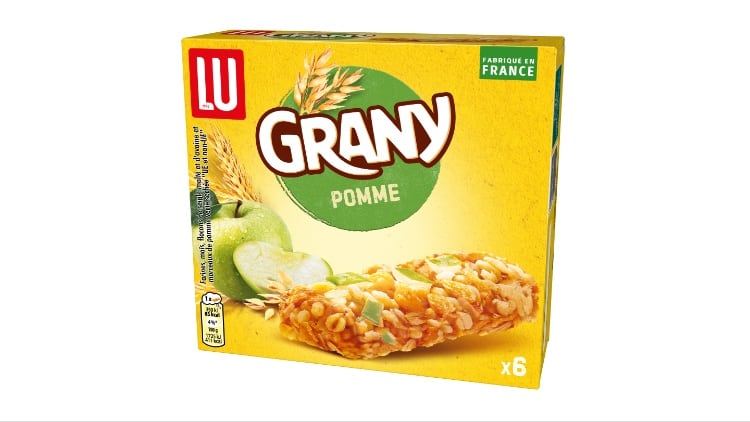
Princes has identified the UK and Italy as possible growth markets for the brands. NewPrinces’ Italian retail network offers a ready-made point of entry, particularly for Grany and the toasted bakery products. Yet a retail presence cannot guarantee that shoppers will choose unfamiliar names.
Watson notes that the brands have less recognition outside France and would face established local alternatives. Winning space and repeat purchases would take investment. Italy has its own traditions in packaged breakfast biscuits, rusks and toasted breads; in the UK, cereal bars and crispbreads compete with established brands and supermarket own-label products. Watson considers Italy through Carrefour Italia the easier first step, while warning that consumers may still not engage. He sees potential in both markets, though the UK category is less buoyant.
Princes doesn’t have to turn the four labels into household names across Europe for the acquisition to pay off. Their French manufacturing and distribution base may serve the wider group even if cross-border growth is gradual. The practical measure of success will be whether Princes can preserve demand at home, maintain reliable supply through the separation and develop new customers without stretching its management team too far.