Natural Food Colours Are Reshaping Flavour Innovation in Bakery and Snacks
- Gill Hyslop
- 398 views
Natural colours can change a product’s stability, cost and flavour expectations. Coordinated colour and flavour development can help products keep their appeal.

Natural food colours are turning reformulation into a sensory design challenge. Bakery and snack makers must account for how a colour behaves in production, what flavour it brings, and what shoppers expect when they see it. A strawberry filling still needs to look and taste like strawberry; a vividly coloured cereal has to retain its appeal. A simpler ingredient list won’t help if the finished product no longer feels familiar.
That pressure is growing as the US pushes to phase out petroleum-based synthetic food dyes by the end of 2027, largely through voluntary industry commitments. In the UK and EU, foods containing six specified artificial colours already need warning labels linked to possible effects on children’s activity and attention. Their rules are broadly similar, but the regulatory systems remain separate. Other markets have their own approval processes, so a colour allowed in one country may be restricted in another.
Why colour swaps can complicate a recipe
Natural sources such as beetroot, turmeric and butterfly pea flower can provide red, yellow and blue hues. But their performance depends on the product and process. A shade that holds in a chilled filling may fade in baking or behave unpredictably in an extruded snack. Differences in raw materials can also make colour less consistent from batch to batch.
There’s a flavour problem, too. Some botanical extracts contribute earthy, vegetal or bitter notes that may compete with the recipe’s intended taste. Developers may need to adjust sweeteners, acids or flavourings to balance them, adding both work and ingredients to formulations already under scrutiny.

Natural colour systems can cost more, especially when a product needs a higher dosage or processing changes to achieve the desired result. Companies selling across borders may need separate recipes, testing and sourcing arrangements to meet different ingredient approvals. Reformulation, then, is rarely a matter of exchanging one colour for another and carrying on as before.
Commitments from large companies show the direction of travel. Mondelēz, Hershey and McKee Foods are among those pursuing the removal of certified synthetic colours from their US portfolios, with different timelines and commitments. Those plans signal broad industry movement, while leaving open the practical questions of cost, performance and consumer response.
Appearance shapes expectations before the first bite
Colour can influence what people expect a food to taste like. A study published in Food Quality and Preference in August 2026 examined how jam colour affected consumer responses to pastries. In two online experiments with 652 participants, researchers found that colour influenced anticipated taste, perceived salivation and purchase intention, even when the pictured pastries were otherwise identical.
That finding has a direct bearing on reformulation. If a strawberry filling loses its familiar red intensity, shoppers may expect a different level of sweetness or fruitiness, even if the recipe itself hasn’t changed. A novel shade can attract attention, but it also sets up an expectation the flavour has to meet.
Oterra’s 2026 Colour Trends survey, covering 2,600 consumers in 13 countries, found that 66% actively avoid artificial colours. At the same time, 61% said they were interested in emotional experiences through food and beverages; that figure rose to 74% among Gen Z and Millennials. Consumers are weighing ingredients while still looking for products that feel engaging and enjoyable. Product testing needs to consider both what the food tastes like and what its appearance promises.
Let the ingredient help define the flavour
Reformulation may also give developers a reason to build colour and flavour together. ADM’s 2026 Global Flavour and Colour Outlook points to authentic wellbeing, heightened sensory experiences and reimagined nostalgia as innovation directions. Botanical and tropical flavours, layered sensations and familiar indulgent profiles presented in new ways fit that outlook.
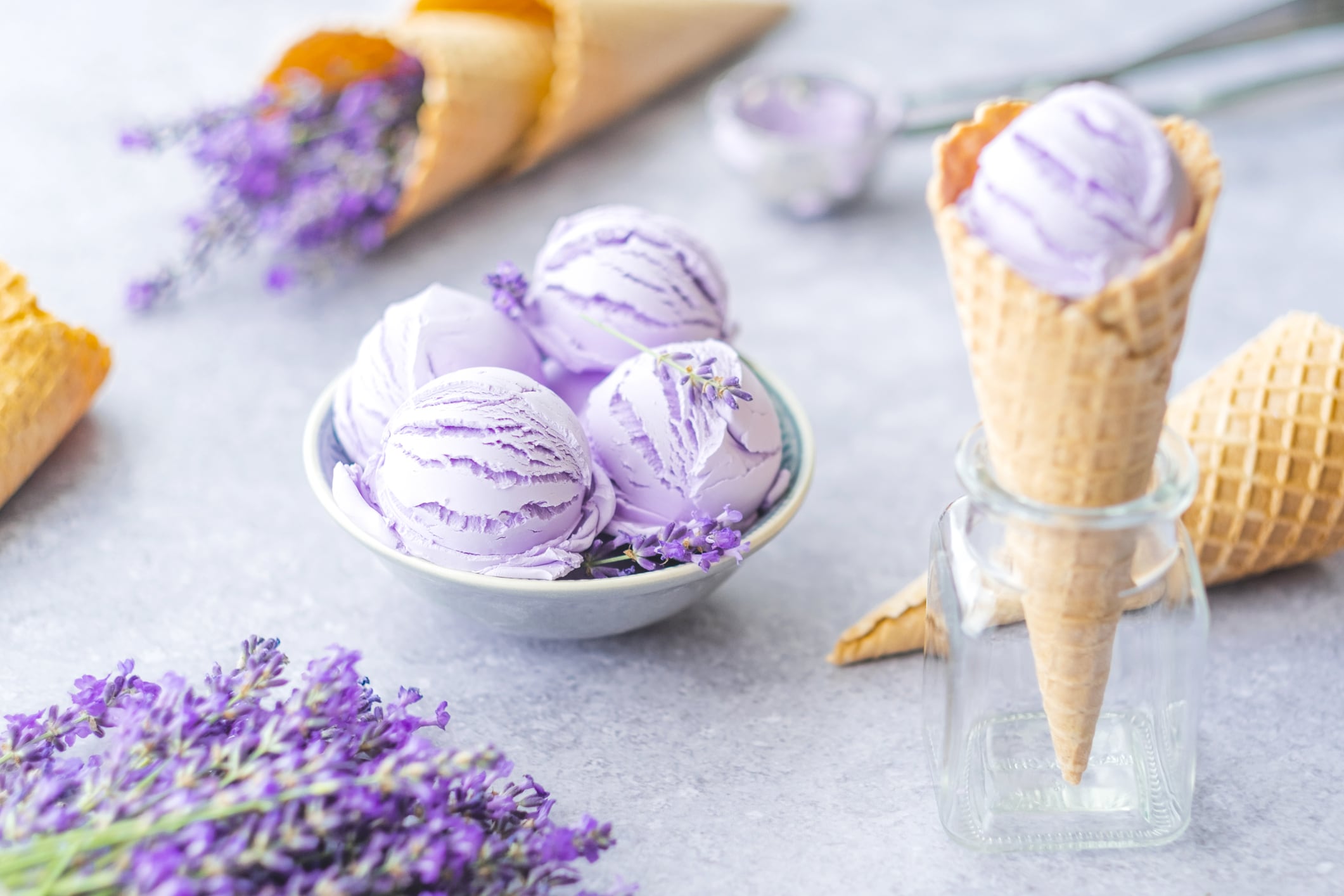
Pistachio, matcha, ube, hibiscus and black sesame can each give a product a distinctive appearance and a recognisable flavour identity. Their visual appeal is only part of the proposition, however: developers still have to assess processing performance, cost and how familiar the flavours are to the intended customers.
There’s also room to embrace a natural ingredient’s softer appearance instead of trying to recreate the intensity of synthetic dyes. A less vivid fruit filling or biscuit may work if shoppers understand the ingredients and the eating experience delivers. Established products face a harder test because customers already associate a particular look with a particular taste.
The practical test is whether colour and flavour support each other. A bright citrus snack should have enough acidity and aroma to make its appearance feel credible; a premium pistachio pastry needs real pistachio character to earn that positioning. As reformulation continues, treating colour as part of flavour development can help producers create products that look appealing and taste as expected.