Turn Viral Food Trends Into Supermarket Sales That Last
- Donna Eastlake
- 662 views
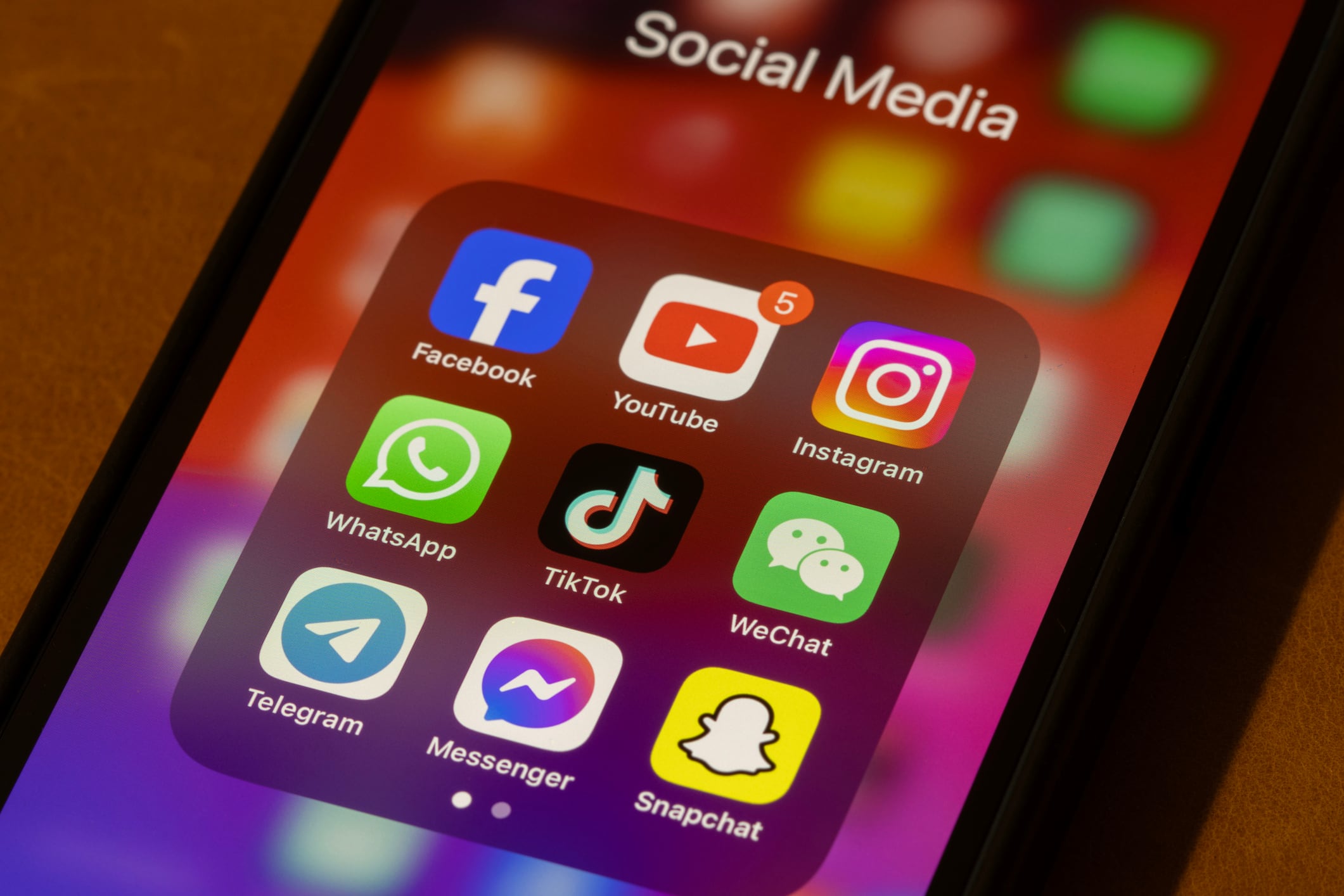
Social media can flag food demand months before sales peak. Brands gain more by meeting lasting cravings than copying each passing hit.

Viral food trends can offer food makers an early view of changing appetites, but attention alone won’t build a lasting business. The stronger opportunity is to spot the need behind a popular product, then develop something people will keep buying after the online excitement fades.
That distinction matters as products such as Little Moons mochi ice cream and Heinz x Absolut vodka pasta sauce have drawn surges in demand after gaining attention on TikTok. For manufacturers, the task isn’t simply to reproduce what is popular on a screen. It’s to work out which part of the experience has staying power: indulgence, an appealing texture, novelty, or food that’s enjoyable to share and photograph.
Social signals arrive before store sales
Retail sales data has long helped manufacturers identify what shoppers are buying. Social and behavioural signals now offer a view further upstream, before a new preference has had time to show up in store figures. Miriam Aniel Oved, head of integrated marketing at Tastewise, describes consumers’ everyday food choices as a trail: what they make at home, order when eating out, and share or save online.
Put together, those signals can help brands detect an emerging preference months ahead of traditional sales reports. That lead time is useful only if it informs a sound product decision. Online interest moves quickly, and a spike in attention doesn’t automatically mean a product will find repeat buyers or suit a broader range of shoppers.
The more durable clues may be the motivations beneath a trend. A striking texture or an indulgent treat can attract the first wave of attention, while the underlying desire for a satisfying, distinctive experience lasts longer. Product planning built around those slower-moving needs has a better chance of outliving the specific food that first brought them into view.
Dubai chocolate shows the timing gap
Dubai chocolate offers a clear example of how online enthusiasm and supermarket performance can follow different timelines. Consumer demand peaked in March 2025, while retail sales reached their high point five months later. Sales stayed above half their peak even after consumer interest had cooled.
That delay gives manufacturers a planning window. A trend can first register in social signals, then move into retail at a different pace as products are developed, distributed and bought. Brands that understand the underlying appeal have time to turn early interest into a product with broader reach. The goal is to build for the reason people wanted the food, rather than assume they’ll keep buying an imitation of the first viral version.
Fast reactions can create costly leftovers
Pressure to move quickly rises when competitors appear ready to launch products around every new online hit. But a rapid response isn’t automatically a good one. Product development and production schedules can’t match the pace of every niche community, and a rushed launch may reach shelves after the audience has moved on.
The commercial costs can include unused production capacity and an assortment crowded with products that don’t earn a lasting place. Timing makes the risk sharper: if a company commits after demand has turned, it may be left selling to a shrinking group of interested shoppers. The more useful question is whether the trend points to a need that will still matter once attention shifts elsewhere.
Brands also need to consider whether they can supply enough product if demand grows. Viral interest may start with creators and influencers, but businesses with the reach to expand availability often capture more of the resulting sales. Large restaurant chains and mass retailers can respond at scale; quick-service restaurants have been particularly quick to act on emerging food trends.
Give retail and foodservice partners useful insight
Manufacturers can bring more to buyers than a new item. Social and behavioural insights can help retail and foodservice partners understand what shoppers are responding to and how a product might serve that interest. That makes the manufacturer a source of commercial direction as well as a supplier.
A useful pitch connects the consumer signal to the buyer’s opportunity: what need the product meets, which customers might be drawn to it, and whether that appeal could support a wider launch. The case is stronger when it rests on evidence of interest across different settings, rather than a burst of online attention alone.
From young discoverers to family baskets
Gen Z plays a significant role in discovering and sharing new food and drink products. A niche idea can spread beyond its early audience when a manufacturer broadens its appeal without losing the qualities that made it interesting in the first place.
The wider commercial opportunity comes when a product moves from young early adopters into family shopping baskets. That shift asks more of a product than novelty: it needs to make sense to people who may not have encountered the trend online, and offer a reason to buy again after the first try.
For manufacturers weighing their next move, the practical questions are straightforward. Which need does the product answer, including a desire shoppers may not state directly? Is that need growing? Do customers return after the first wave of attention? Social signals can show where interest is starting; answers to those questions help decide whether it can become a dependable product.
The best use of a viral trend is as an early clue, not a product brief on its own. Track demand closely, identify the slower-moving desire underneath it, and build around what can earn repeat purchases. That’s how a moment of online discovery has a chance to become lasting supermarket sales.