Denmark’s Push to End Turbo Chicken Farming Puts Growth and Welfare in Focus
- Liam Pritchett
- 980 views
Fast-growing Ross 308 chickens face renewed scrutiny in Denmark, where a proposed national and EU-wide ban raises questions about welfare and farming practices.
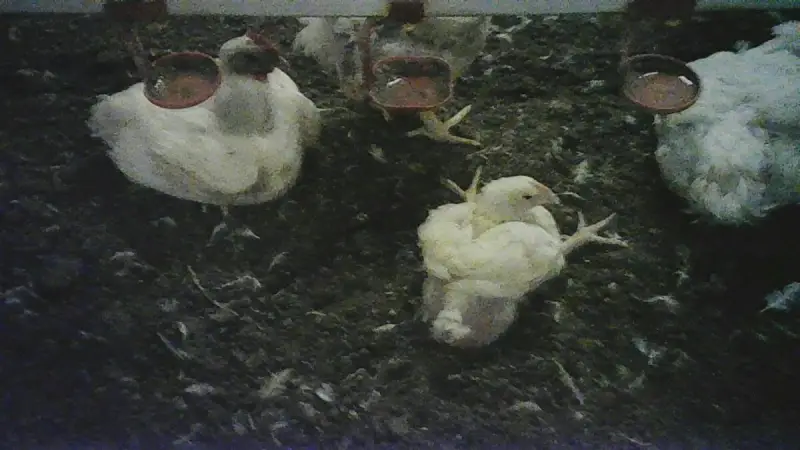
Denmark’s call for a national and EU-wide ban on “turbo chickens” puts a basic tension in poultry production in sharp focus: birds bred to grow quickly can outpace their bodies’ ability to support that growth. Ross 308 chickens are the most widely used breed in Danish chicken farming. Their rapid development is associated with illness, early death and birds being killed prematurely, according to the account of the breed’s use in Denmark.
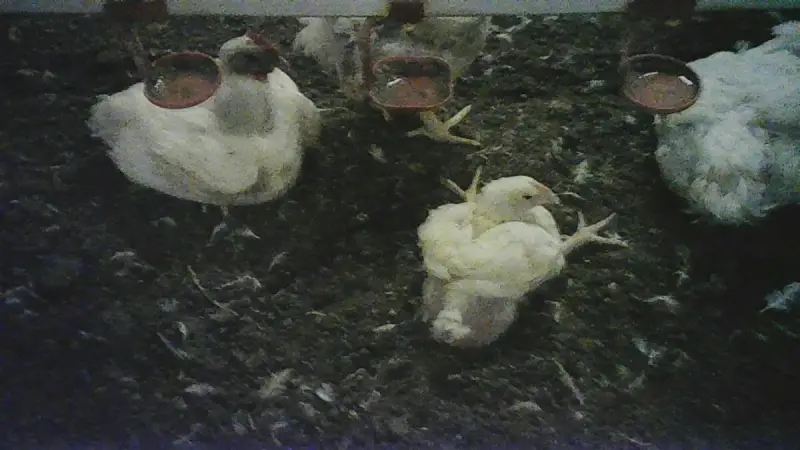
The debate has intensified after a TV2 documentary in October alleged that Christian Tvergaard, one of Denmark’s largest chicken producers, broke the law to make his chickens grow faster. The broadcaster reported that undercover footage from a farm in North Jutland, owned and operated by Tvergaard, showed birds with severe difficulty walking and standing. Experts who viewed the footage said some should be euthanized. Those are reported allegations and assessments; the account does not describe the outcome of any legal proceedings.
The footage also brought the farm’s lighting routine into question. TV2 reported that the birds received three hours of daylight each day, half of the six hours required by law. Tvergaard was shown explaining that he controlled the lights to encourage the chickens to eat more and grow faster. “That’s what it’s all about,” he said.
When growth outpaces the bird
Christian Rabjerg Madsen, Denmark’s Minister for Nature and Animal Welfare, told TV2 the footage angered him. He described broader welfare concerns with turbo chickens, saying they “simply grow too fast for their body to keep up.” The concern is not just how quickly a bird reaches market size. It is whether its legs and other parts of its body can support that rate of growth without serious problems.
That distinction matters for anyone assessing the system. A production model built around rapid growth can be judged by more than the time it takes for a flock to reach its target size. The condition of the birds as they move and stand, the health problems they experience and the length of their lives all form part of the picture. In the case described by TV2, difficulty walking and standing was visible enough to prompt experts to recommend euthanasia for some animals.
Lighting is another point of scrutiny. In this case, the reported practice was to reduce daylight to three hours, with the stated aim of getting the birds to eat more and grow faster. That makes the routine relevant to the larger question of how farm conditions can be managed to support rapid growth. The report connects the lighting decision to the goal of increasing feed intake, while Madsen’s comments address the welfare consequences he sees in the breed more broadly.
A proposed ban, with questions still to resolve
Madsen urged people to avoid buying turbo chickens and said he wanted to work toward a national ban. He also made clear that the proposal would require legal and economic examination. “Now we will work for a national ban, we will work for a ban at EU level,” he said. That sets out the direction he wants to pursue, while leaving the design and practical effects of any restrictions open for discussion.
A national restriction and an EU-wide measure would operate at different scales. A measure limited to Denmark would address the breed’s use within the country; a wider measure would extend the question across the European market. Madsen’s comments signal interest in both paths, but the available account does not specify how either proposal would be drafted, when a decision might come, or what transition arrangements farmers would face. Those details will shape what a change would mean in practice for producers and buyers.
For shoppers, the immediate choice Madsen described is straightforward: he discouraged purchases of turbo chickens. For the poultry sector, the question is more involved. Any move away from a widely used breed would require decisions about which birds could be raised instead and how production would adapt. The source account does not identify replacement breeds or predict the scale of those changes, so the focus for now remains on the welfare concerns and the proposed review.
Animal welfare in a wider farming debate
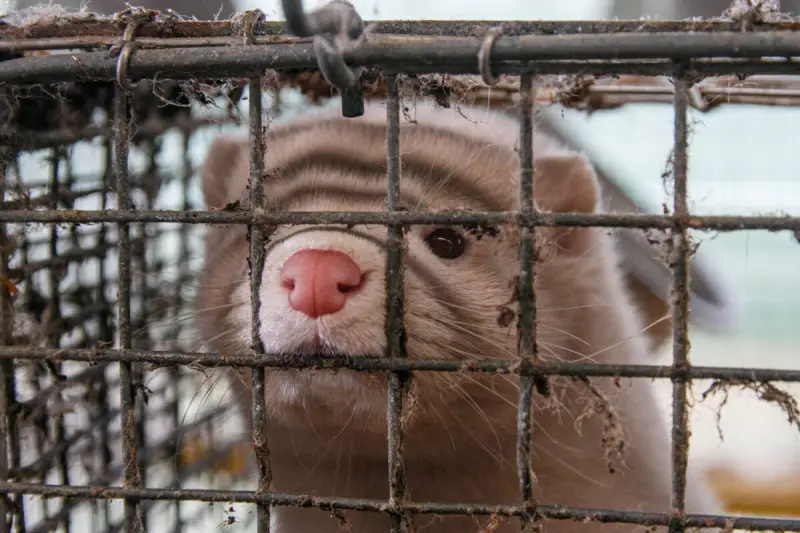
The chicken discussion comes alongside Denmark’s decision not to seek an exemption from a proposed EU-wide end to mink farming. The country has seven mink farms remaining, which would need to close by August 2029 to meet the terms described. The decision gives context to Madsen’s argument that established businesses should be assessed by their present effects, not simply by how long they have operated.
“A business should not continue just because it has existed for a long time,” Madsen said. “It should also make sense for society, for the economy, and for the animals.” Applied to poultry, that view places the practical costs of changing production alongside the living conditions of the birds. It also explains why he described the proposal as a matter requiring legal and economic investigation, even as he called for action.
The next questions are concrete: whether Denmark pursues a national restriction, whether an EU-wide measure advances, and how any change would address the welfare problems described in the footage. Until those details emerge, the central test remains whether the birds’ growth rate can be reconciled with their ability to stand, walk and remain healthy.