Denmark’s Seven Mink Farms Face Closure by August 2029
- Liam Pritchett
- 983 views
Denmark won’t seek an exemption from the mink farming ban, setting a closure deadline for its seven remaining farms and about 15,000 mink.
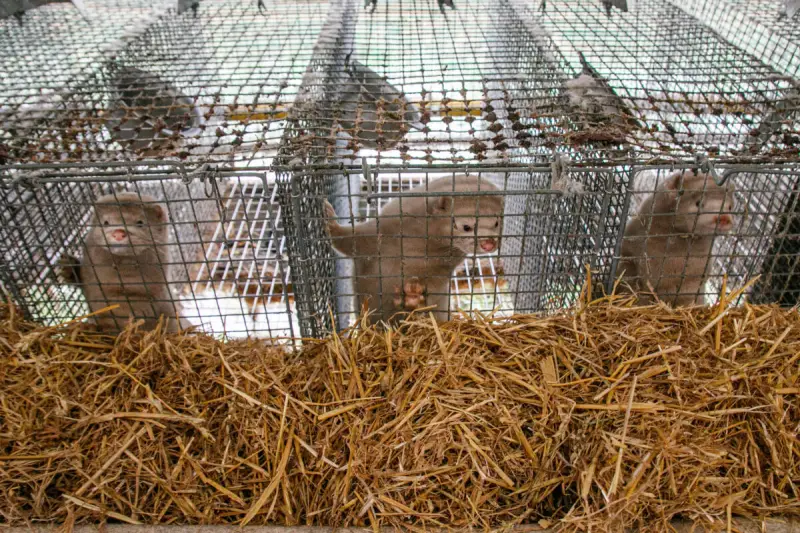
Denmark’s decision to follow the EU-wide ban on mink farming puts an end date on the country’s remaining fur production: its seven mink farms must close by August 2029. The government had initially opposed the ban, but has chosen not to seek an exemption. Around 15,000 mink remain in Denmark.
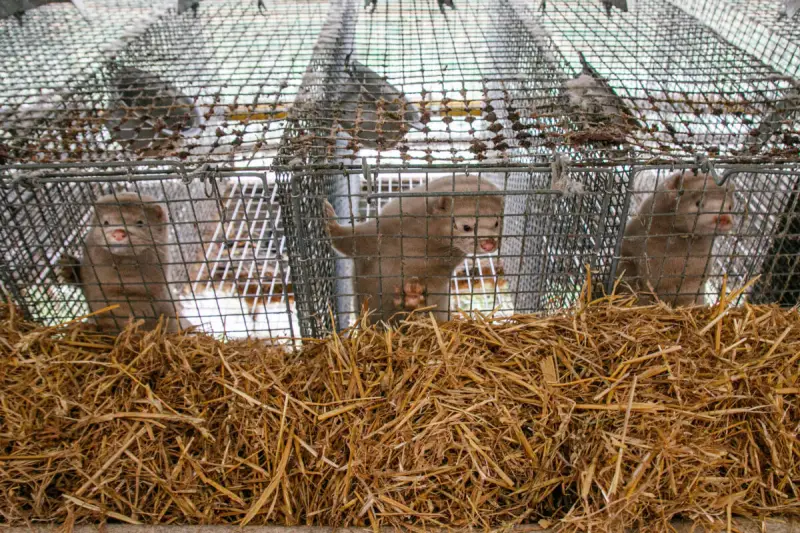
The shift is especially notable because Denmark was once the world’s largest producer of mink skins. The industry was made legal again in 2023, after production stopped in 2020 and 17 million mink were culled in an effort to contain a mutated strain of COVID-19. In 2025, the EU introduced its Europe-wide ban. Denmark’s choice means the return of farming will be temporary.
A decision shaped by animal welfare
Danish Nature Minister Christian Rabjerg Madsen said the country had chosen animal welfare by adhering to the ban. “A business should not continue just because it has existed for a long time,” he said. “It should also make sense for society, for the economy, and for the animals.”
Britta Riis, director of Dyrenes Beskyttelse, the Danish Society of Animal Protection, welcomed the decision. She described mink farming as an outdated industry in which animals are kept in small wire cages arranged in long rows. That system, she said, falls far short of mink’s natural needs.
The welfare question rests on the conditions of confinement: animals spend their lives in individual cages, with little room to express natural behavior. Closing the farms would end that form of production in Denmark, while the 2029 deadline gives the remaining businesses a defined period to wind down.
Disease concerns remain part of the debate
The 2020 cull underscored a second concern associated with densely stocked mink farms: the risk that infections can spread through animal populations and create wider disease threats. Research has identified intensive mink farming as a setting where zoonotic disease risks warrant attention. Denmark’s earlier experience gives that concern particular weight, though the stated reason for adhering to the ban was animal welfare.
Reports from the United States have kept attention on the issue. An investigation by ProPublica described an H5N1 bird flu outbreak on a Utah mink farm that had been ongoing for two months. The report said workers were not being monitored or tested, including some who had symptoms, despite CDC guidance.
Meghan Davis, an epidemiologist at Johns Hopkins University, told ProPublica that a weak response might not lead to severe consequences, but added: “But we may get unlucky.” Her warning captures the uncertainty around outbreaks: outcomes cannot be known in advance, while crowded animal settings can give infections room to spread.
What Denmark’s decision changes
The closure deadline gives Denmark’s remaining farms a clear end point and removes the prospect of an exemption. It also marks a reversal for a country that had been a leading center of mink skin production. The change follows a turbulent recent history: a halt in 2020, the culling of 17 million animals, the return of legal production in 2023 and, now, a route to closure by August 2029.
For animal protection groups, the decision is a major step toward ending a system they regard as incompatible with mink welfare. For those focused on disease risks, it keeps attention on how intensive animal production can create conditions that deserve close monitoring. These are distinct arguments, but both are tied to the way mink are housed and raised.
Denmark’s remaining farms will now operate within a fixed time frame before closure. The practical measure of the decision will be whether the country reaches that deadline with mink farming ended, and whether the change becomes a lasting break from an industry that once made Denmark a global leader in mink skins.