Why Britain’s Shrinking Abattoir Network Could Mean Longer Animal Journeys
- Editorial Team
- 434 views
With just 203 abattoirs remaining, farmers report fewer nearby options—a shift that may lengthen livestock journeys and strengthen industrial meat supply chains.
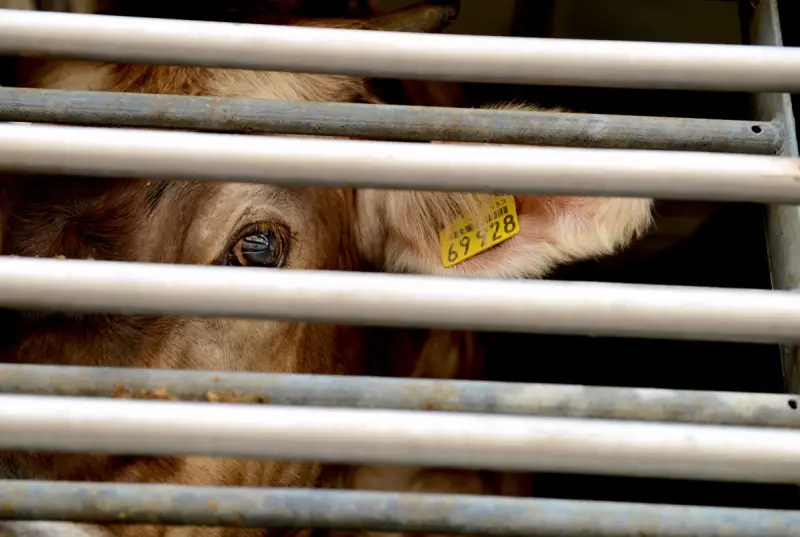
Britain’s abattoir network has contracted sharply: from 2,500 sites in the 1970s to 203 today, a decline of roughly 92 percent. That change has consequences beyond the number of places where animals are slaughtered. When local facilities disappear, farmers can lose practical access to a suitable site, while livestock may need to travel farther and the remaining processing capacity can become more concentrated.
A 2025 survey of 850 farmers and land managers gives a sense of the pressure. Two-thirds said they had difficulty accessing a suitable abattoir, and one-third had seen a facility they used close. Those findings appear in a report by the Sustainable Food Trust, Soil Association, and Rare Breeds Survival Trust. The report argues that preventing further closures matters for farmers and for the resilience of British food supply chains.
What fewer local facilities change
An abattoir is a necessary link between livestock farming and meat processing. When a nearby facility closes, farmers may have fewer workable choices for getting animals processed. The effect can be especially difficult for farms that depend on a particular site or handle livestock that do not fit easily into a larger, more centralized system. The survey does not give a single account of every farmer’s experience, but its results point to access as a widespread concern.
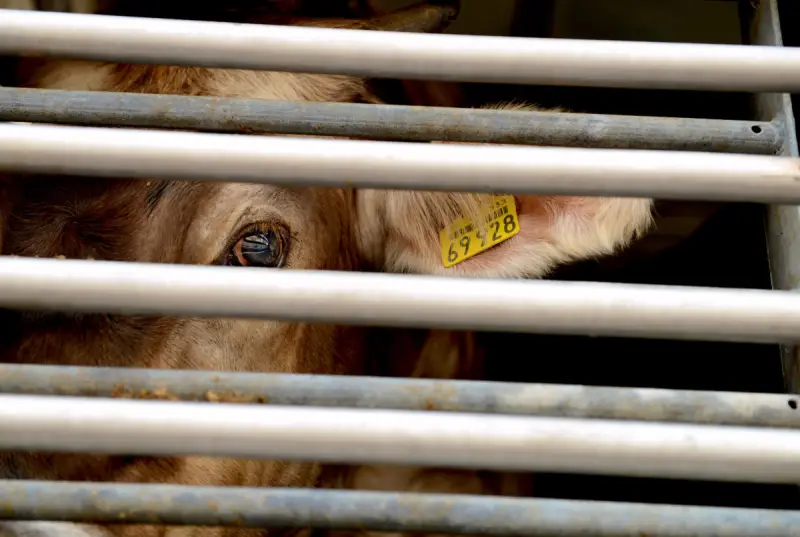
Distance matters because animals must be transported to the facility that can take them. A report from the Scottish Animal Welfare Commission concluded that the potential closure of small and medium-sized abattoirs could increase the distance and duration of livestock journeys. It also warned of a possible rise in illegal slaughter activity. The report examined abattoir provision and opportunities for mobile slaughterhouses in Scotland.
Longer journeys are one concern; fewer local processing options can also make the whole chain less flexible. If facilities close faster than remaining sites can absorb their work, farmers may face tighter scheduling and fewer practical routes to market. The survey’s finding that many respondents already struggle to find a suitable abattoir suggests that this is not only a question about future industry structure. For a substantial share of those surveyed, access is already difficult.
Consolidation and industrial scale
The decline in abattoir numbers is taking place alongside a broader concentration of meat production and processing. The UK already has large-scale farms, including operations described as “megafarms.” The 30 largest reportedly have capacity for more than 11 million chickens and 145,000 pigs. Those figures describe capacity, not the number of animals processed by abattoirs, but they illustrate the scale of some livestock operations.
Processing is concentrated too. A report published in September said three companies had “almost complete market domination” of the UK poultry supply. Five companies account for approximately 60 percent of dairy processing turnover, while eight control about 70 percent of overall UK meat processing turnover. As local facilities disappear, the concern is that a smaller number of large businesses could gain further influence over where and how meat is processed.
Scale can bring commercial advantages for operators, but it also changes who has choices and where capacity sits. A network with fewer, larger facilities may be less accessible to farmers who need a suitable nearby site. It can also place more of the processing chain in the hands of a small number of companies. The available figures show concentration; they do not, by themselves, establish what any individual company will do or how every farm will be affected.
Animal welfare in the meantime
Closing an abattoir does not automatically reduce the number of animals killed for food. The article’s central tension is that fewer slaughter sites can coexist with continued meat demand and a shift toward larger supply chains. If animals still enter the food system but must travel farther to reach processing, a lower facility count may bring added burdens without reducing slaughter.
That concern sits alongside a broader criticism of industrial meat production: when large facilities and high-volume operations dominate, animal welfare and working conditions can face pressure from the demands of scale and profit. The source offers no single measure that quantifies those effects, so the clearest evidence here remains the reported difficulty farmers face accessing abattoirs and the Scottish commission’s warning about journey distances and durations.
For now, the practical question is whether the remaining network can serve farmers across different regions and types of production. The survey suggests many respondents are already finding that difficult. Further closures could deepen the problem, lengthen some livestock journeys, and reinforce concentration in meat processing. Watching the number and distribution of accessible facilities will show whether Britain’s shrinking network is still able to meet farmers’ needs.