Non-Alcoholic Drinks Keep Growing as Brands Build Beyond Beer
- Elizabeth Crawford
- 314 views
Growth has cooled as adult non-alcoholic drinks reach more shoppers. Better products, wider access and repeat purchases will shape the next stage.
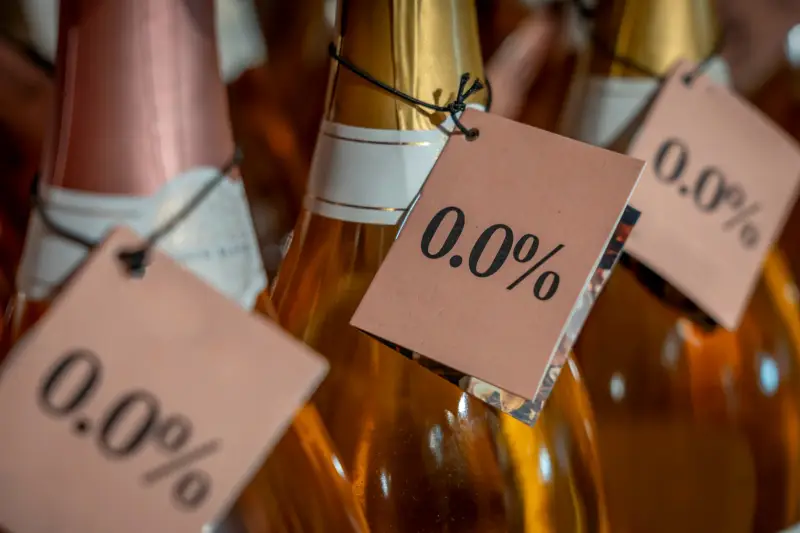
Adult non-alcoholic drinks are still gaining ground, but the category’s growth now looks more like a maturing market than an early surge. Sales rose 12.3% to $1.12 billion in the 52 weeks ending Oct. 17, 2026, according to NielsenIQ data presented at the Adult Non-Alcoholic Beverage Association’s state of industry summit. That’s a substantial increase, though well below the category’s 21.1% rise to $993 million in 2025, its 29.6% growth in 2024 and 30.7% in 2023 over 2022.
The same deceleration shows up at Total Wine & More. Adult non-alcoholic sales outpaced the rest of the retailer’s sales by 15% in fiscal 2026, compared with 20% in 2025, 30% in 2024 and a peak of 50% in 2022. The figures point to a category that’s still outperforming its surroundings, even as its earlier pace becomes harder to maintain.
“Growth is slowing,” said Marcos Salazar, CEO of the Adult Non-Alcoholic Beverage Association. But, he added, it is “not stalling.” Adult non-alcoholic drinks continued to gain share as beverage alcohol sales declined, reaching 1.2% of Total Wine’s sales, or about $75 million in the last 52 weeks.
More occasions, more kinds of buyers
Economic pressure and distribution disruptions have weighed on growth, Salazar said. Kaleigh Theriault, part of NIQ’s beverage alcohol thought leadership team, sees another factor: products are moving into mainstream use. Non-alcoholic drinks are no longer reserved for the occasional moment when someone chooses not to drink alcohol; shoppers are bringing them into a wider range of everyday and social settings.
Dry Atlas’s survey of 782 US adults who had bought adult non-alcoholic beverages in the previous six months offers a picture of that broader audience. Some 93% had also consumed alcohol during that period, and 43% said they had no intention of reducing their alcohol consumption. For many buyers, non-alcoholic options appear to complement drinking habits rather than replace them.
Usage is spreading across familiar occasions. More than half of respondents said they drink non-alcoholic beverages at home in the evening (54%) or at parties and gatherings (50%). Another 31% said they use them at times when they otherwise wouldn’t have had an alcoholic drink, such as choosing an NA beer with lunch, said Victoria Watters, Dry Atlas co-founder.
Demand is widening beyond beer
NA beer remains the category’s anchor, but newer formats are adding room for growth. Its share of all beer sales reached 1.7% in 2026, nearly twice its 0.97% share in 2023, according to NIQ. It also accounted for $896 million, or 80%, of adult non-alcoholic sales.
That scale gives beer a strong lead, while the rest of the category is expanding through products designed for different tastes and occasions. Dealcoholized wine and canned mocktails give shoppers more ways to recreate familiar drinking rituals, including without mixing a drink at home. In 2026, NA wine sales rose 17% year over year to $132 million. NA beer grew 10.1%, while NA spirits, a segment that includes ready-to-drink mocktails, grew fastest: 30% to $87 million.
The mix matters for brands. More occasions and formats can draw in shoppers who don’t see beer as their preferred choice, but growth depends on whether products deliver the flavor and experience those occasions call for. As the range expands, product quality can help turn a first purchase into a habit.
Distribution brings opportunity and pressure
Wider distribution added $143.1 million in adult non-alcoholic sales in the 52 weeks ending June 27, according to NIQ, making it the largest contributor to incremental sales. Yet access to retail remains difficult: 57% of adult non-alcoholic brands named it one of their top three challenges in an ANBA survey.
Established alcohol companies can draw on existing distributor relationships when placing non-alcoholic extensions on shelves. Independent brands may not have the same routes to market. Salazar also pointed to a patchwork of state laws that limits liquor store sales of non-alcoholic beverages in some places. ANBA is working with legislators on distribution and access, and educating retailers about where these drinks fit in stores and why shoppers buy them.
More shelf space alone won’t secure lasting growth. NIQ found that sales per point of distribution softened for NA beer and wine, which Theriault attributed in part to brands entering more stores and channels. As availability spreads, retailers and manufacturers need to see products move through the shelf as well as reach it.
Repeat buying will be especially important for wine and spirits, where shoppers may still be judging product quality and finding the brands and formats they like. NA beer has had longer to become a routine purchase. Theriault expects repeat rates for wine and spirits to improve as those products develop.
The next test for the category is converting curiosity and wider access into regular basket additions. Continued work on product quality, distribution and consumer education will help brands make that shift. Double-digit growth may be harder to sustain as the market matures, but continued gains alongside declining beverage alcohol sales leave room for non-alcoholic drinks to keep finding customers.