Toddler Snack Recall Raises Questions About Product Claims and Refunds
- Elizabeth Crawford
- 744 views
Once Upon A Farm’s Tractor Wheels recall is at the center of claims about toddler safety messaging, discarded products and customer refunds.
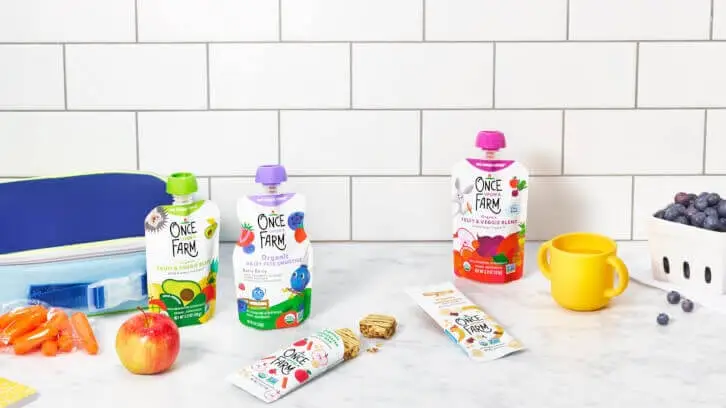
The Tractor Wheels recall has become a test of how a food company’s product claims and customer remedies are judged after a safety concern emerges. Once Upon A Farm recalled its entire line of soft-baked bars after reports of choking incidents. Now three customers allege that the company’s toddler-focused marketing was misleading and that its refund process left some buyers without a practical way to recover their money.
The proposed class action was filed Nov. 17 in federal court by customers from Oregon, Washington, DC, and New York. They say the bars were marketed for toddlers able to “self-feed with fingers,” “have back teeth to chew” and “bite through various textures.” In their view, those descriptions gave families reason to think the product was suitable for young children with those abilities.
The complaint alleges that the bars could form a dry, sticky mass when chewed, creating a risk of airway obstruction that ordinary choking responses might not resolve. The safety warning issued Nov. 3 advised consumers not to buy or serve the product and described reports of toddlers experiencing complete airway obstruction. The plaintiffs argue that the reported danger conflicts sharply with the product’s age-specific positioning.
Why the refund process is part of the dispute
Once Upon A Farm recalled all Tractor Wheels soft-baked bars, rather than limiting the recall to selected production lots. The company also expanded its consumer relations team to answer inquiries and offered a full refund for products returned to the place of purchase. Those steps address products still in a customer’s possession, but the complaint focuses on what happened to bars that had already been eaten or discarded.
The plaintiffs say mixed messages from the company, retailers and the safety agency prompted some consumers to throw away remaining bars, leaving them unable to return the product for a refund. They allege that customers who had consumed or discarded the bars were excluded from reimbursement, while the company retained revenue from those sales. The complaint describes that revenue as “tens of millions,” though it does not provide a total damages figure.
This dispute highlights a practical weakness that can surface during a recall: customers may be told to stop using a product and dispose of it, while the refund process depends on having the product available to return. In that situation, the timing and clarity of instructions matter. A broad recall can quickly remove remaining stock from use, yet customers may still disagree about whether the remedy reaches people who acted on the warning before seeking reimbursement.
Sales, costs and competing accounts of the response
The complaint characterizes Tractor Wheels as a significant source of revenue. It says Once Upon A Farm told investors the bars represented about 18% of year-to-date sales and estimates their annual sales at roughly $50 million. Those figures frame the plaintiffs’ claim that the product’s sales were highly lucrative, but the annual estimate is theirs, not a final accounting of the company’s revenue from the line.
On a Nov. 12 third-quarter earnings call, CEO John Foraker described retailer and consumer reactions to the voluntary recall as “positive,” saying the company had prioritized safety. The company estimated that the recall could cost up to $30 million, a hit that reduced its 2026 guidance. The complaint’s account of customer experience differs: it argues that the return conditions and the fate of discarded products left some buyers bearing costs themselves.
That gap matters because a recall response has more than one measure. Removing the full product line from sale is one visible step; helping customers understand what to do with items they bought is another. The allegations put particular attention on whether the company’s refund terms matched the circumstances in which families were told to stop serving the bars.
What the plaintiffs are seeking
The customers seek statutory and actual damages under consumer protection laws in Oregon, New York and Washington, DC. They also request restitution, punitive damages where permitted, and attorneys’ fees. The complaint asks the court to certify a nationwide group of customers who bought Tractor Wheels during the previous four years, along with separate groups tied to the three locations represented by the named plaintiffs.
The plaintiffs also request a jury trial. The case could therefore expose the company to costs beyond its stated recall estimate, including the expense of defending the claims and the potential effect of prolonged public scrutiny. The requested remedies are allegations and demands; the complaint does not establish that the company is liable or specify the amount sought.
Product positioning faces closer scrutiny
For food manufacturers, the case brings two linked questions into focus: how product suitability is described for young children, and how a recall’s remedy works for customers who have already used or discarded the product. Age-related wording can shape how caregivers understand texture, chewing ability and readiness. When a product is marketed around those capabilities, families may rely on that framing as they decide whether to serve it.
The outcome remains uncertain. But the dispute shows why recall planning and product messaging are closely connected: claims about who can eat a product help set expectations, while clear instructions and accessible refund terms shape how customers experience a recall. For companies, the practical takeaway is to make both parts easy to understand before families have to act quickly.