Wine Coolers Return With a Fresher Look and a Ready-to-Serve Appeal
- [email protected] (Ryley Graham)
- 974 views
From California Cooler’s 1980s boom to today’s canned spritzes, wine coolers have returned with brighter packaging and a more polished style.
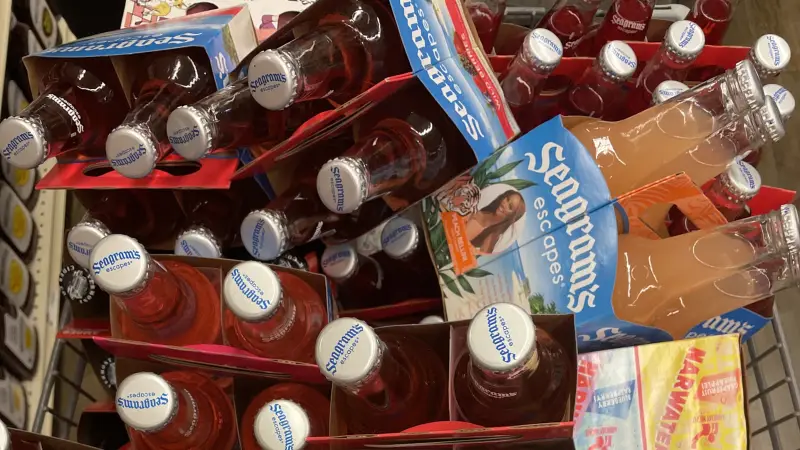
Wine coolers have found a place on store shelves again, but their new incarnation looks and tastes different from the brightly colored, intensely sweet bottles that defined their 1980s boom. Today’s versions range from canned wine spritzes to fruit-forward coolers, and their appeal fits a market where ready-to-serve drinks are popular and old-fashioned nostalgia has fresh currency.
The category’s return is visible in the numbers: wine spritzers and coolers made up 7% of new ready-to-drink product launches across the 10 largest markets in 2024, compared with 4% in 2021, according to a 2025 report from IWSR. Wine-based beverage sales in the United States also rose 14%, NielsenIQ reported in 2025. Those figures point to renewed interest in premixed drinks, though today’s bottles and cans are a long way from the sugary beach beverages that first made the category famous.
A beach drink becomes a national hit
The wine cooler story began in Santa Cruz, California. Michael Crete and Stuart Bewley mixed white wine with fruit and soda water for beach days, then began bottling the drink in 1981 as California Cooler. They pitched it as an affordable alternative to beer, and demand quickly grew. By the mid-1980s, the company was producing more than 12 million cases a year.
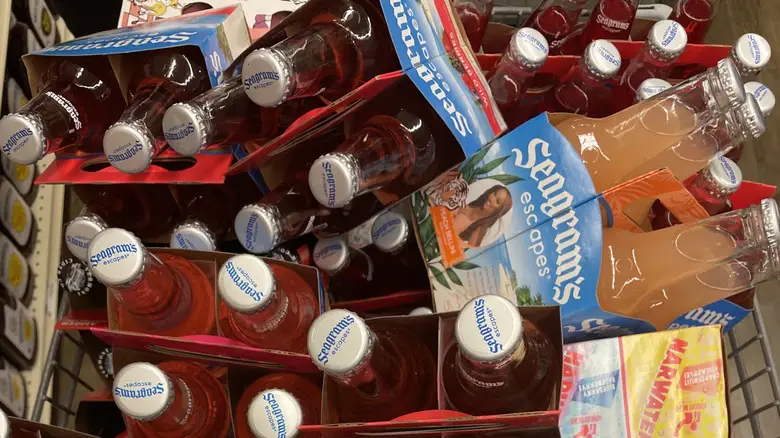
Other producers moved into the market. Bartles & Jaymes and Seagram’s became familiar names, while flavors such as “Strawberry Daiquiri” and “Purple Passion” helped establish wine coolers as sweet, easy-drinking party fare. U.S. shipments grew fifteenfold in three years, from 8 million gallons in 1983 to 120 million in 1986, according to the Los Angeles Times.
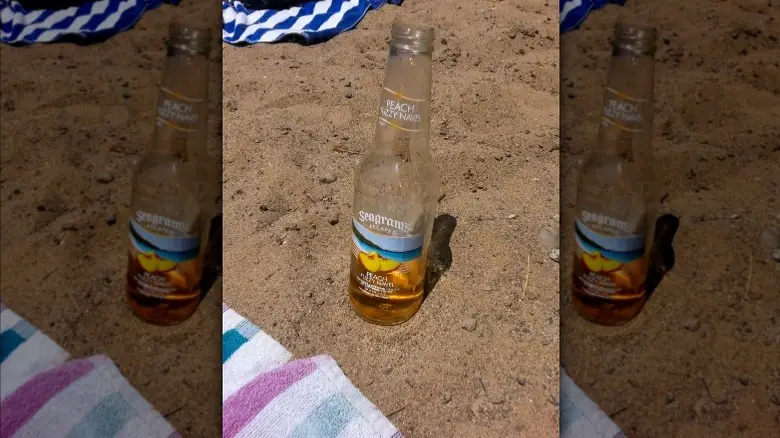
The drink’s low price was central to its early pitch, but its economics depended on inexpensive wine. In 1991, the U.S. tax on wine rose from 17 cents to $1.07 per gallon. Producers shifted toward malt-based versions, which cost less to make. That change helped make room for drinks such as Zima, Mike’s Hard Lemonade and Smirnoff Ice. Wine coolers receded from the spotlight, even as their bright colors and MTV-era associations lingered in popular memory.
The new cooler is built for a different shelf
That memory gave later brands a ready-made reference point. In 2016, sommelier Jordan Salcito launched Ramona, a line of organic canned wine spritzes with the tagline “It’s wine, but cooler.” Bartles & Jaymes returned in cans three years later. California-based Wilbur Wines took a more playful tack with blackberry and citrus coolers, describing the project as “the reboot nobody asked for.”
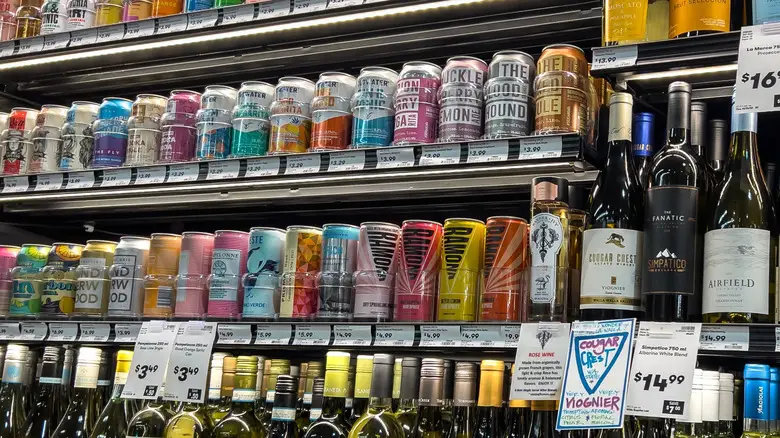
Today’s products borrow the category name and its casual spirit, but their presentation has shifted. Artisanal cans and polished labels give many of them a more curated feel than the exuberant bottles of the 1980s. Pampelonne’s Blood Orange Spritz, for instance, has the look of something suited to a farmers market as readily as a beach cooler. Ramona, Wilbur Wines and La Lata lean into design, while BeatBox and BuzzBallz offer a more emphatic, party-ready version of the ready-to-drink format.
The change in packaging reflects a broader shift in how these drinks are positioned. Earlier coolers sold an uncomplicated alternative to beer; many current versions present themselves as portable wine or spritzes, with fruit flavors and visual polish doing much of the work. They sit alongside hard seltzers such as White Claw and High Noon, as well as canned cocktails, competing for people who want a prepared drink without mixing one themselves.
Nostalgia meets the price of a night out
Ready-made alcoholic drinks now occupy a meaningful share of the market NielsenIQ tracks: 12.5% of those sales in its 2025 report. Cost may help explain the attraction. In the United States, 31% of drinkers cited expense as a reason for drinking less, according to IWSR. A premixed cooler can feel like a more casual option when cocktails at a bar have become costly, and the old association with affordability adds another layer to its appeal.
There’s a generational thread, too. Millennials and older Gen Z drinkers may have come of age with malt beverages rather than wine coolers, but the 1980s versions remained recognizable through advertising and nostalgia. That familiarity lets new brands evoke a past era without reproducing its exact drink. The result is a revival shaped as much by memory and packaging as by flavor.
Wine coolers have returned because the ready-to-drink category gives them a natural home, while their history supplies a story shoppers already know. The current versions are more varied in style, from fruit-forward cans to spritzes, and less tied to the sugary image of the original boom. For anyone browsing the cooler aisle, the useful distinction is simple: the name carries the nostalgia, but the drink in the can may be a much more polished take on the old idea.