Potatoes Lead U.S. Vegetable Sales in 2026, With Russets, Yukon Golds and Waxy Types for Every Dish
- [email protected] (Sinéad Cranna)
- 819 views
Potatoes topped U.S. vegetable popularity in 2026. Their year-round supply and varied textures make choosing the right type key to fries, mash, roasting and salads.
Potatoes hold the top spot among vegetables U.S. shoppers buy, and their appeal comes down to more than habit. They’re available year-round, suit a wide range of dishes and come in varieties with noticeably different textures. In 2026, a YouGov survey gave potatoes an 87% popularity rating. That’s a high mark, but it doesn’t explain the whole story: familiarity, convenience and the ability to turn one basic ingredient into very different meals all help keep potatoes in regular rotation.
That figure builds on the International Fresh Produce Association’s 2025 report, which found that 85% of households had purchased potatoes. Production and sales figures tell a similar story: the United States produced an estimated 412 million cwt of potatoes in 2025, with a hundredweight equal to 100 pounds. Circana recorded $20 billion in retail potato sales between July 2025 and June 2026, as reported by Potatoes USA. These measures describe different things—survey responses, household purchases, farm output and retail sales—so they shouldn’t be treated as interchangeable. Taken together, though, they show the scale of potatoes’ place in the American food supply.
A year-round staple with a long harvest season
Potatoes also have a long harvest season. Early potatoes are gathered in June or July, second earlies in July or August, and main-crop varieties in late summer and early autumn. That spread helps keep potatoes on grocery lists across the year, while their different textures make them useful in everything from crisp fries to soft mash. Harvest timing is only part of the explanation for year-round availability; storage and distribution also help make this crop a familiar option well beyond its weeks in the field.
For shoppers, that continuity makes potatoes easy to plan around. They can anchor a meal, fill out a side dish or stretch ingredients already on hand, and their mild flavor works with a broad range of seasonings. This is more significant than it looks: an ingredient that’s both familiar and adaptable can stay popular across changing menus without requiring cooks to learn a new technique for every preparation.
Pick a potato for the dish
Variety matters once you start cooking. A potato that holds its shape in a salad won’t necessarily give you the same results as one chosen for a fluffy interior or a crisp fry. For home cooks, matching the potato to the dish is a simple way to improve the finished texture. Here’s the thing: starch and moisture affect how a potato behaves under heat, so the label on the bag can be as useful as the recipe when you’re deciding what to buy.
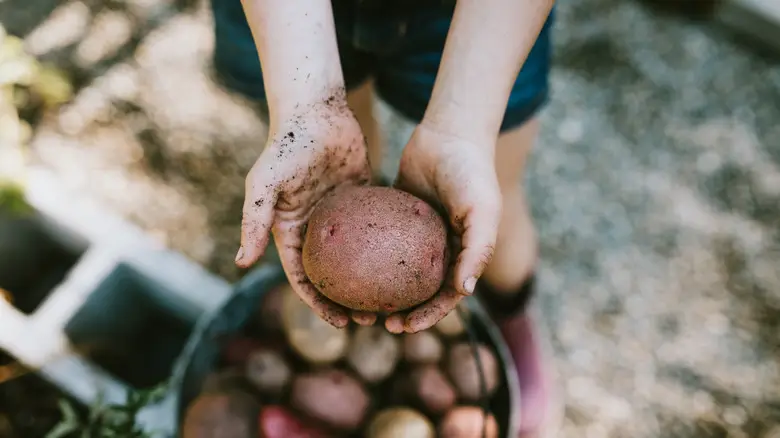
Yellow potatoes, including Yukon Golds, have low-to-medium starch and work well for mashing and roasting. Their texture makes them a useful choice when you want a tender result without the potato losing all its form. They’re a flexible option for sides where a creamy interior and browned exterior are both welcome. For roasting, cutting pieces to a similar size helps them cook at a more even pace; for mash, the same variety offers a balance between softness and some body.
Russets are especially versatile and can be baked, roasted or fried. Their reputation is particularly strong in the fry basket: in a taste test shared by Mythical Kitchen, Josh Scherer called russets “tough to beat” for a classic French fry, praising their crispness and texture. If fries are the goal, that endorsement points to a practical choice; the cooking method still matters, too. Double-cooking cut potatoes is one way to build a crisp exterior around a tender center. The sequence gives the interior time to soften before a later stage develops the outside, though careful handling and consistent cuts matter as well. A variety can set you up for success, but it can’t do all the work for you.
For boiling, waxy new potatoes are a better fit. They’re less likely to fall apart when mixed into a salad, where intact pieces help the dish keep its shape. That difference is worth bearing in mind before the pot goes on: a potato that’s ideal for mash may turn too soft for a salad, while a waxy type can stay firm where a fluffy texture is wanted. If you're working from a recipe that simply says “potatoes,” this is the point to consider the final texture and choose accordingly.
Color adds variety to the potato basket
Potatoes aren’t limited to the familiar white and yellow options. Red and purple varieties bring deeper color to a plate, and purple potatoes contain anthocyanins, the pigments that give them their distinctive hue. Sweet potatoes offer a different route to color, with carotenoids that the body converts into vitamin A. These varieties can broaden the look and flavor of a meal, while the choice of potato still comes down to what you’re cooking and the texture you want.
Color can make a dish feel more varied, but it doesn’t replace the practical question of how a potato will cook. Some varieties are selected for appearance or flavor, while others are chosen because they hold together or break down readily. If you’re mixing types in one dish, think about whether they’ll cook at a similar rate and whether you want distinct pieces or a more uniform result. The visual change is easy to see; the texture still determines whether the dish works.
What potato popularity means for the kitchen
The figures point to a steady role for potatoes in shopping and cooking, but popularity alone doesn’t tell cooks which kind to buy. The useful takeaway is more modest: a staple can offer plenty of choice within one category, and those choices matter most when they’re tied to a cooking method. A bag selected for fries may not serve a salad well, even if both dishes start with the same vegetable.
For a practical shopping routine, start with the recipe: reach for russets when baking or frying, Yukon Golds for mash and roasting, and waxy new potatoes for boiling and salads. Then consider whether you’d like to add a red, purple or sweet potato to the mix. And this is the part most people overlook: the best choice isn’t always the most popular variety, but the one that suits the texture you want. With several harvest periods and uses that span the kitchen, potatoes have earned their place as a year-round staple. A reliable ingredient, with room to choose.