16 Mexican Candies Ranked: From Tamarind Chews to Peanut-Filled Damy
- [email protected] (M. Davis-McAfee)
- 738 views
A tasting tour of 16 Mexican candies, from tangy tamarind and chili sweets to the caramel-and-peanut Montes Damy that took the top spot.
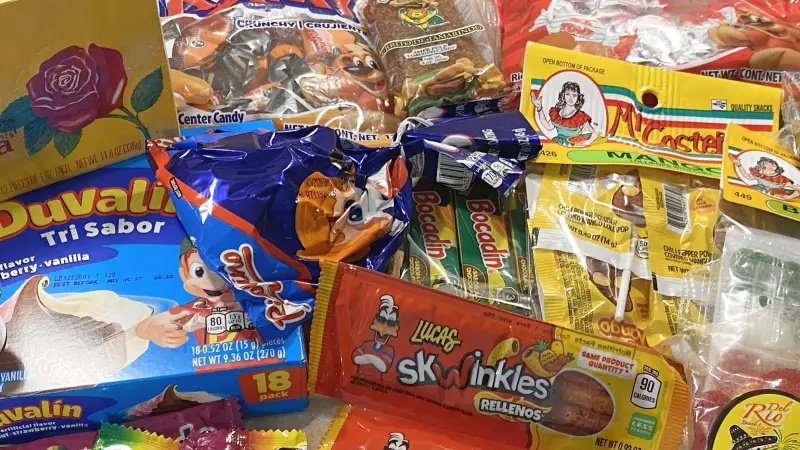
Mexican candy offers a broad mix of textures and flavors: chewy fruit pulp, sweet heat, coconut, chocolate, hard candy and roasted peanuts. In this tasting, the biggest wins came from treats that made those contrasts work. Tamarind and chamoy brought sour, salty and spicy notes into balance, while the top-ranked candy paired a caramel-like shell with a peanut center.
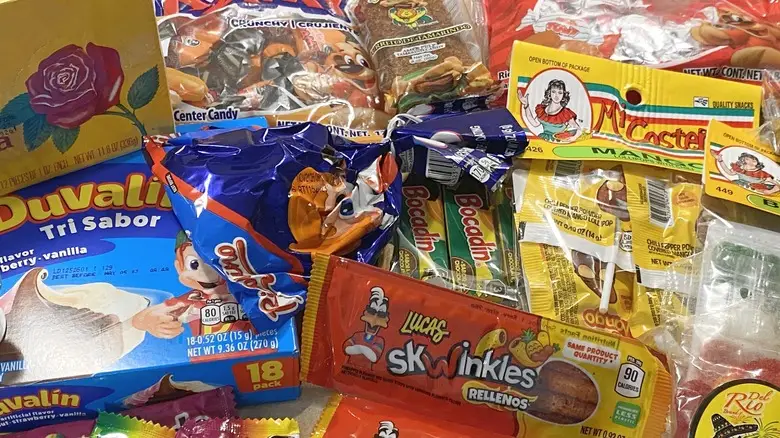
Restaurants specializing in Mexican cuisine are common across the United States: the Pew Research Center reports that 85% of counties in each state have at least one. The center’s figures help explain why many diners know familiar savory dishes and restaurant desserts such as flan, while the candy aisles of Mexican grocery stores may be less familiar.
This ranking comes from a first-time tasting of 16 sweets bought at a Mexican grocery store in Paducah, Kentucky. It ranges from a guava roll whose texture proved hard to overlook to Montes Damy, a candy worth a special trip. Here’s how each one fared, starting with the least successful of the bunch.
16. Rollo de guayaba martajado
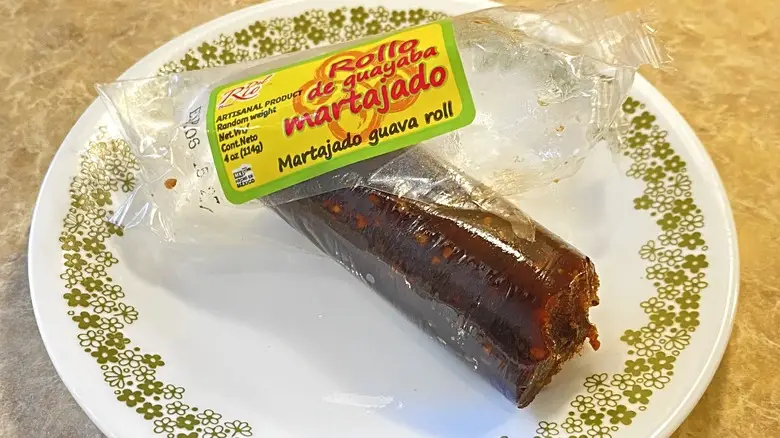
“Martajado” means pounded or coarsely ground, and this guava roll’s rough texture makes that description apt. The fruit forms a firm, sticky cylinder, but large seeds interrupt each bite with a crunch. The guava flavor itself was pleasant; the trouble was the contrast between the soft, slippery fruit and those hard little bumps. For anyone sensitive to texture, that mismatch can take over the experience.
15. Pelón Pelo Rico
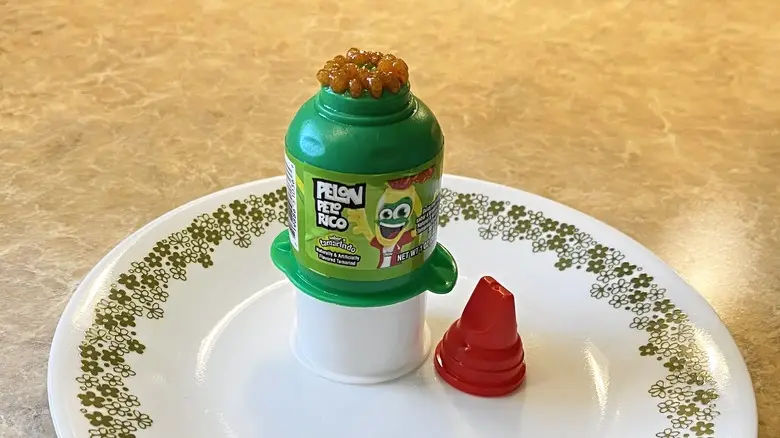
Pelón Pelo Rico turns eating candy into a small bit of theater. Press the white part of the container into the green section, and soft tamarind candy squeezes through holes at the top, appearing like strands of hair. The name plays on that design: “pélon” is a colloquial word for a bald person, “pelo” means hair and “rico” means delicious.
The tamarind is tangy, sweet and gently spicy, a combination that works. But the candy has to be pushed out and eaten from its container, and that format got in the way of enjoying it. The novelty may appeal to some; here, the packaging was more memorable than the treat.
14. El Super León burrito de tamarindo
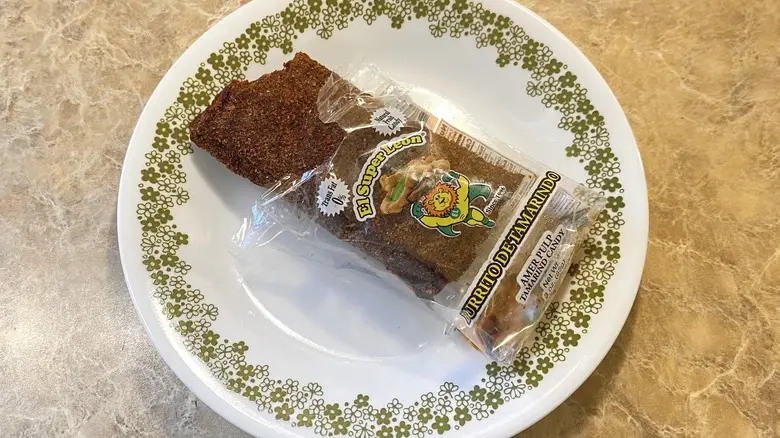
This “burrito” is chili-coated tamarind pulp rolled into a shape inspired by the savory Mexican staple. It looks almost like a fruit roll, though the fruit remains visible in the candy’s dense form. The taste is exactly the appeal of tamarind: warm, tart and lightly sweet.
The challenge is the chew. Dry and tough, it takes sustained work to get through, and a whole burrito feels like a serious commitment for the jaw. Tamarind fans may appreciate how concentrated the flavor is, but the texture made this one hard to finish in a single sitting.
13. Lucas Gusano Tamarind with chili pepper strawberry lollipop
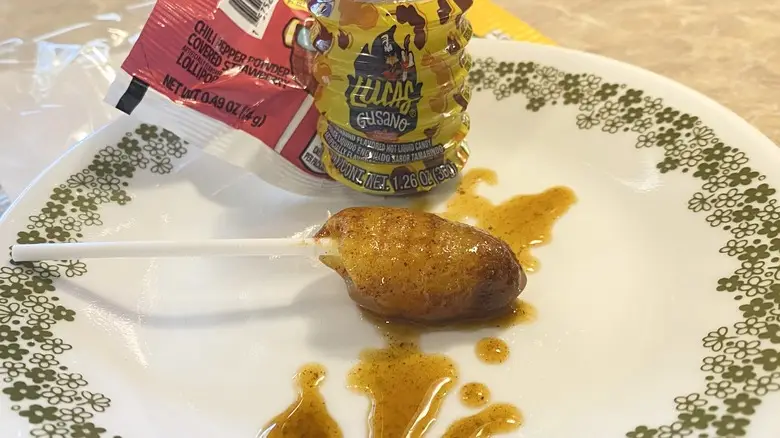
The Lucas Gusano tamarind candy is a pourable, slightly thick liquid that brings together sourness, sweetness and a mild heat. Paired with it is a strawberry lollipop coated in chili. On its own, the lollipop tasted oddly syrupy, with a stale quality that dulled its appeal. It may have been an imperfect sample, but the liquid candy was clearly the stronger part of the pairing.
Dipping the lollipop into the tamarind sauce improved it considerably. The sour, spicy liquid supplied the contrast that the sweet candy lacked by itself. Think of the lollipop less as the main attraction and more as a vehicle for that tangy coating.
12. Mi Costeñita banderitas
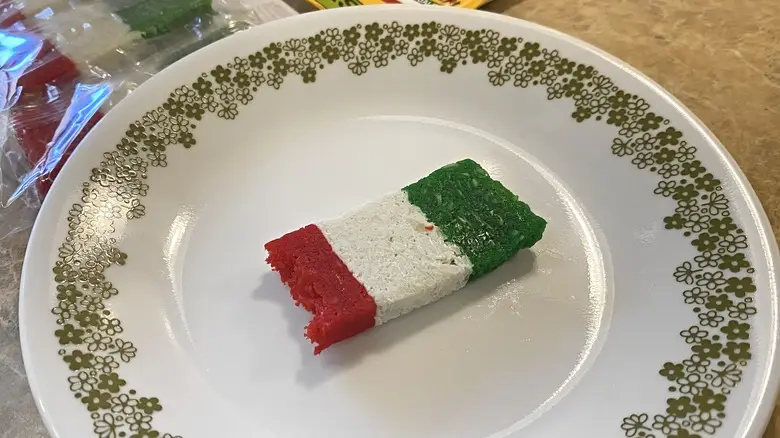
Also known as Bandera de Coco, or “flags of coconut,” banderitas are pressed coconut sweets layered in green, white and red. The colors echo the Mexican flag, and the little layered pieces make a striking presentation. Their texture is soft and chewy, with a graininess that calls to mind flaky coconut.
Compared with a Mounds bar or Almond Joy, the coconut tastes less sticky and more natural. Still, this brand’s aftertaste came across as unusually fragrant and a little unpleasant. That kept the candy from living up to its promise. The experience left room to try banderitas from another maker, but this version wouldn’t make the repeat-buy list.
11. Ricolino Duvalín tri sabor
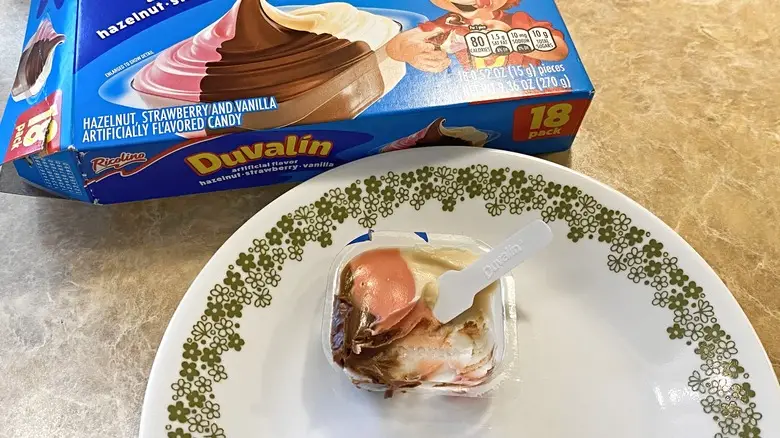
Duvalín is a nostalgic treat for many Mexican candy fans. Its presence on the children’s television show “En Familia Con Chabelo” during the 1990s helped make the name familiar across the country. The candy comes in several flavor combinations, often drawing from hazelnut, chocolate, vanilla and strawberry.
The tri sabor version sampled here combines chocolate, vanilla and strawberry in a small plastic pot with a tiny spoon. Its consistency is close to frosting: thick, sweet and coating, like a spoonful of cupcake icing. That plush texture is part of the fun, though an artificial aftertaste made the flavors less convincing. It’s an appealing format for anyone who likes their candy soft and spreadable.
10. Lucas Skwinkles rellenos pineapple
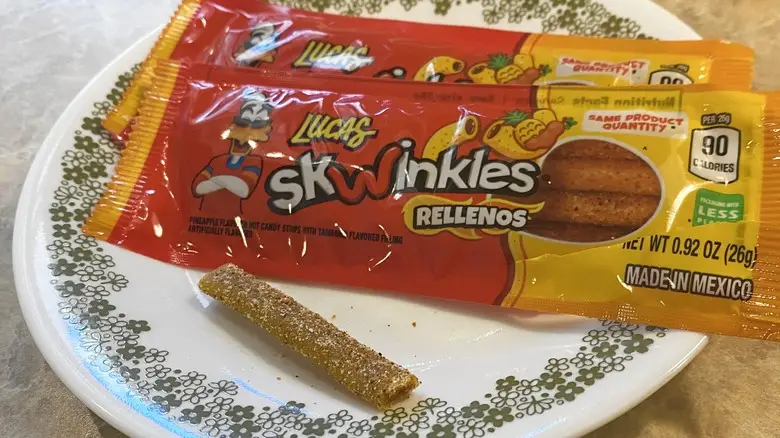
These pineapple candy ropes are thicker and less flexible than Sour Punch Straws, with a less neon appearance. The pineapple flavor is gentle and naturally sweet, while a light dusting of chili adds warmth. The filling is the standout: “rellenos” means stuffed, and the tamarind center delivers the sour, sweet and spicy punch that gives the candy its character.
Skwinkles are easy to enjoy, especially for someone who likes the contrast between a mild outer layer and a more assertive center. They’re a welcome snack if they happen to be within reach, though not one that calls for a special trip.
9. Del Rio manguitos charros con chile
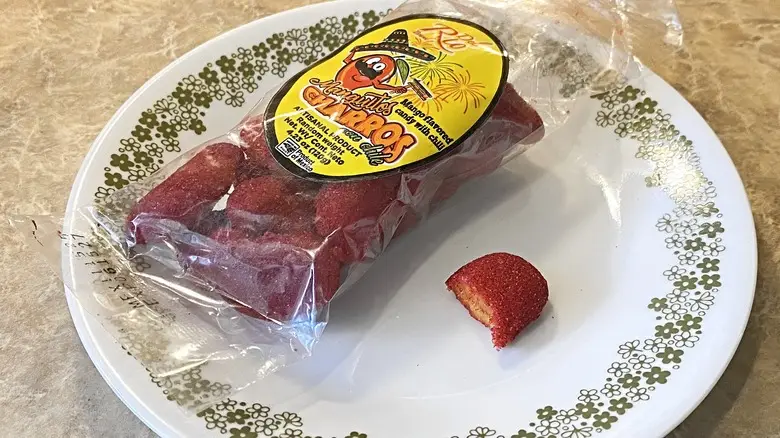
Manguitos are small, gumdrop-like candies. Del Rio coats these in chili powder, adding a mild, cinnamon-like heat to their thick, chewy bite. That texture and the chili finish both work well. The weak point is the mango flavor, which comes across as artificial and lingers like perfume rather than ripe fruit.
Even so, the combination has a mindless-snacking quality: the candies are small, pleasant to chew and easy to keep reaching for. If the mango tasted more natural, they could rank higher. As they are, the coating and texture nearly make up for the flavor that anchors the candy.
8. Vero mango paleta con chile
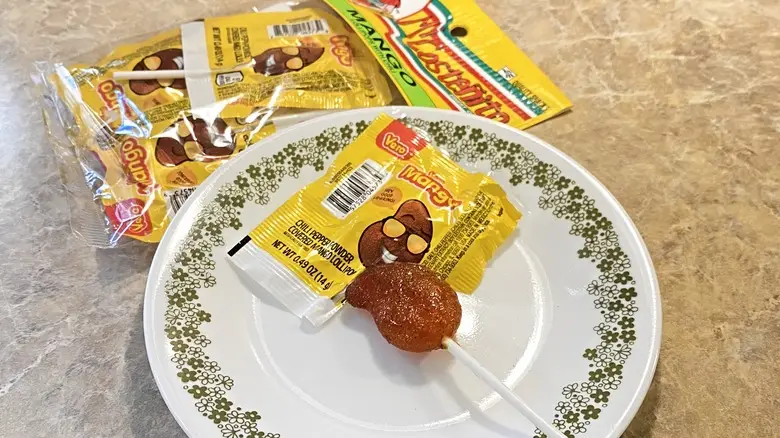
Vero’s mango lollipop puts sweet fruit flavor against a coating of sour, spicy chili. The candy can be syrupy, and getting it out of its wrapper takes some effort, but the flavor makes a strong case for persevering. The tangy mango cools the palate after the chili’s sharper blend of sourness and heat.
This is a lollipop for people who enjoy a noticeable kick. If your tolerance for heat is low, the coating may be too much; for fans of spicy sweets, it lands in a satisfying range. The bag makes it tempting to have another, though the candy didn’t quite inspire a special shopping trip.
7. Montes Tomy
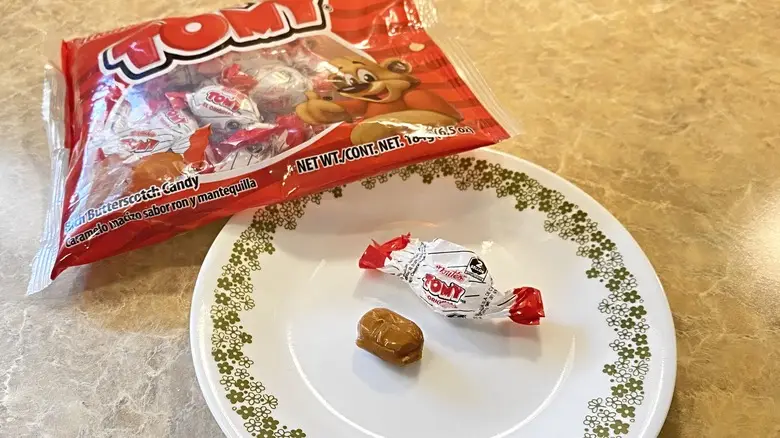
Montes Tomy is an unfussy butterscotch hard candy, in the familiar territory of Werther’s or Brach’s. Its slightly irregular oval shape melts slowly, leaving time to enjoy buttery, caramel-like flavors. There are also acidic, almost fruity notes, with a faint suggestion of dark rum.
Tomy has the easygoing appeal of a candy dish staple: one small sweet for an afternoon lull. Its slow melt would pair nicely with black coffee, although that pairing wasn’t part of the tasting. It’s a dependable choice for anyone who prefers a simple hard candy to a more elaborate combination of flavors and textures.
6. Ricolino Bocadin
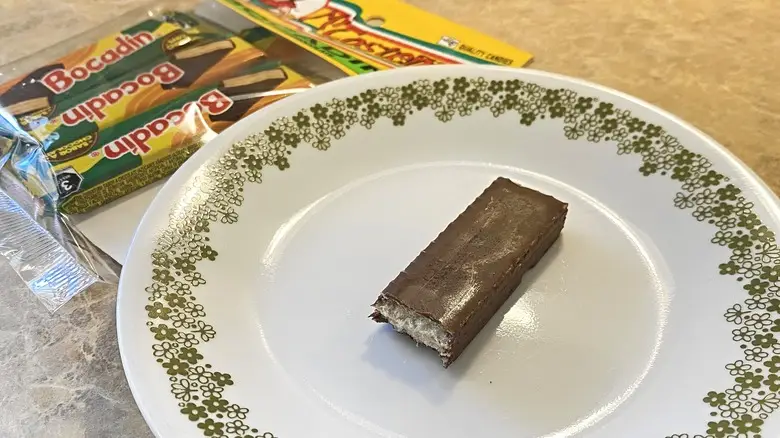
Bocadin may appeal to fans of Necco Chocolate Wafers, but its construction gives the wafer more room to shine. A thin chocolate coating wraps crisp wafers, with a light layer of cream between them. The result is a delicate crunch and a little chocolate rather than a heavy hit of sweetness.
The wafers themselves aren’t too sweet, so this candy is more about texture than sugar. That lightness makes it easy to eat several without realizing it. It wouldn’t be a first choice for someone who doesn’t usually reach for wafer sweets, but it’s a welcome treat when offered.
5. Dulces de la Rosa Mazapán
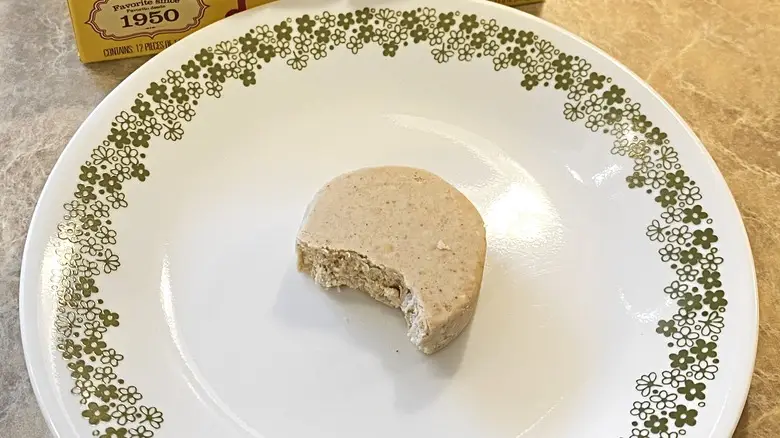
Despite its almond-like color and appearance, De la Rosa Mazapán is made with peanuts, not almonds. Like marzipan, it combines nuts and sugar into a sweet, smooth confection, but its flavor belongs to peanut. The company also makes a chocolate version.
The round candy looks almost like a squat piece of cookie dough when unwrapped. Bite into it and it crumbles softly, then dissolves with a silky, melt-in-the-mouth feel. The peanut flavor leads without becoming too sweet or too savory. It’s a lovely example of how a candy can feel rich while remaining featherlight on the palate.
4. Mango Pulparindo
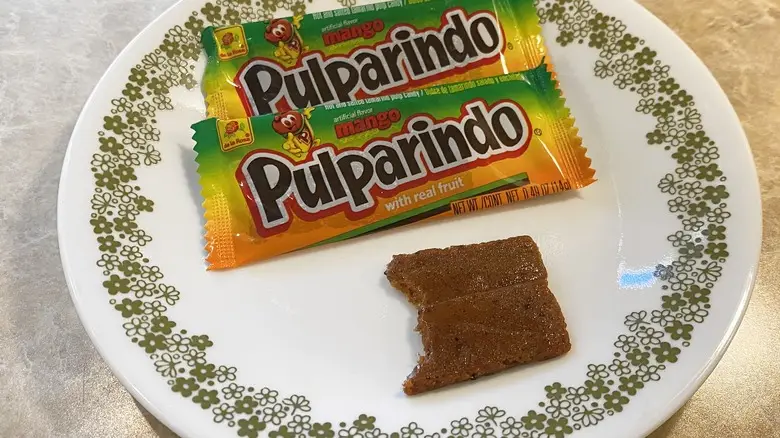
Pulparindo is tamarind pulp candy with a grainy, pleasantly chewy texture from fruit pulp, sugar and chili. The mango variety begins sweet, then brings on a bright acidity and a bold sour note that makes the mouth tingle. Its texture is firm and stretchy, somewhat like an Airhead, but with more fruit character.
The flavor is lively rather than one-note: fruit, sweetness and chili all have a place, and the sour finish keeps each bite interesting. This was an immediate repeat-buy. The mango version is a strong introduction for anyone curious about tamarind candy, especially if they enjoy a sweet that has some bite.
3. Ricolino Paleta Payaso
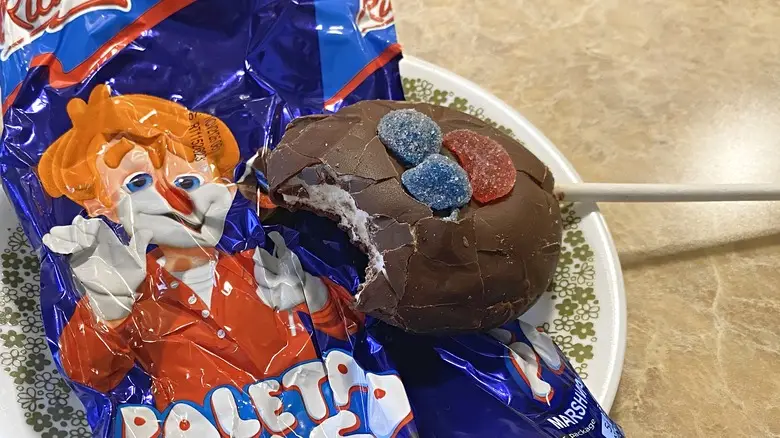
Paleta payaso translates to “clown lollipop,” a name that makes sense once you see its face, assembled from sugary gummies. The candy’s appearance has the charmingly imperfect look of an ice cream pop shaped like a character: the features don’t quite line up, but the idea comes through.
Under its thin, crunchy chocolate shell is a light, sticky-sweet marshmallow center. The gummies that form the eyes and mouth are less appealing; they can be set aside without losing the best part. Chocolate, marshmallow and a playful shape make this a treat worth seeking out again.
2. Chamoy Pulparindo
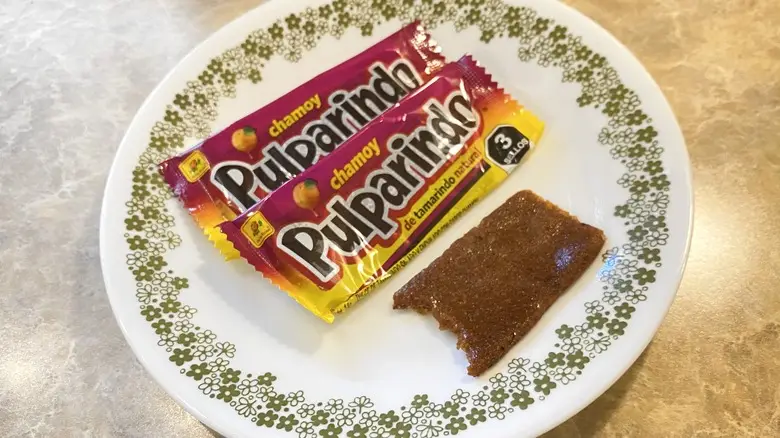
Chamoy is a pickled fruit sauce with sweet, sour and slightly salty notes. Those same qualities sit naturally alongside the tangy, spicy tamarind pulp in Pulparindo, making this variety one of the most satisfying candies in the tasting. Its chew resembles chili-covered taffy, and its flavor arrives with real intensity.
The heat is moderate for anyone who already enjoys mouth-tingling sweets, such as cinnamon candy, but can feel stronger if you’re not used to that sensation. Chamoy Pulparindo is the kind of treat that rewards a taste for layered flavor: salty, sour, sweet and spicy all at once. It’s one of the two candies worth going out of the way to buy again.
1. Montes Damy
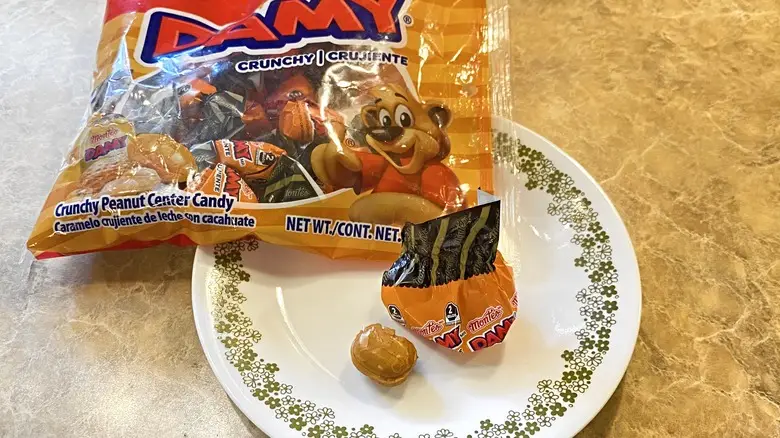
Montes Damy takes the top spot by making a familiar caramel-like candy more interesting. The small pieces resemble butterscotch, but the outer layer is softer and becomes chewable sooner. Crack through it and a center of roasted peanuts appears, with distinct bits of nut adding a second texture and a savory counterpoint.
The outer candy has a toffee-like quality that can cling to the molars, much like the caramel layer of a Butterfinger. That stickiness may put off some candy fans, but here it’s part of the pleasure: the shell softens around a crunchy, nutty middle. Of the 16 sweets tasted, this was the one worth a 45-minute drive to the nearest Mexican grocery store.
How the candies were ranked
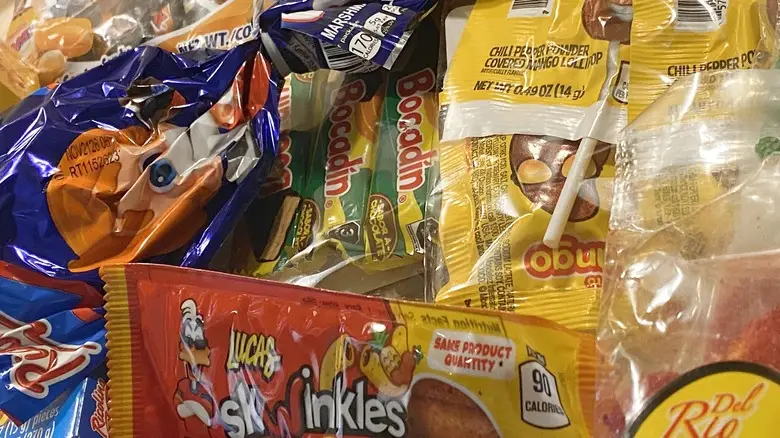
The tasting began with an online search to identify popular brands, followed by visits to three Mexican grocery stores within a 45-minute drive of the taster’s home in Western Kentucky. All the candies in the ranking came from La Fiesta Mexican Market in Paducah. The selection aimed to cover a range of styles, from chocolate and hard candies to fruit and nut chews.
Each candy was judged on flavor, mouthfeel, ease of eating and whether it seemed worth buying again. Those that scored best across these qualities rose to the top. The results show how much variety sits under the broad category of Mexican candy: sweet heat and tamarind lead some of the strongest entries, while peanut and caramel make the winner memorable.