James E. Pepper 1776 Whiskey Brings Rich Bourbon and Rye Flavor for Around $30
- [email protected] (Amy Browne)
- 586 views
James E. Pepper 1776 offers bourbon and rye with layered spice and sweetness for around $30, backed by a distilling history that reaches back to 1776.

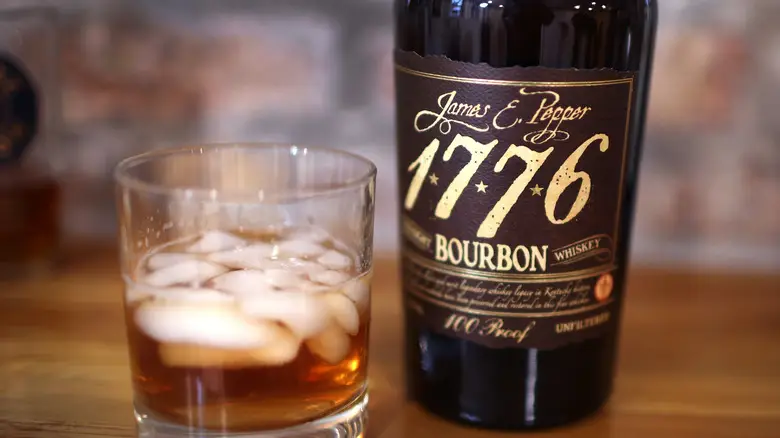
James E. Pepper 1776 makes a persuasive case for keeping a well-priced bottle on the shelf: its bourbon and rye offer layers of sweetness and spice for around $30. Phil McKenna, head bartender at Madison Avenue’s MAD Bar & Lounge, praised the whiskey for “impressive depth and richness” and recommended it among 11 affordable whiskey brands. The appeal is practical, too. Either expression can be sipped neat or over ice, softened with a dash of water, or poured into an Old Fashioned.

The two bottles share some familiar notes, including chocolate, honey, and clove, but they take different routes through the glass. The bourbon adds vanilla, giving its profile another sweet, rounded note. The rye leans spicier, with mint and eucalyptus bringing a sharper, more aromatic edge. That distinction gives drinkers a useful starting point: choose bourbon for a sweeter impression, or rye when a livelier spice character sounds more appealing.
At around $30 a bottle, 1776 can suit more than one kind of pour. Neat, the whiskey’s individual flavors have room to stand out. A little water can open the aroma and soften the impression of alcohol; over ice, gradual dilution changes the drink as it sits. In a classic Old Fashioned, the spirit’s sweetness and spice meet the cocktail’s other ingredients, so either expression offers a different accent. The bourbon’s vanilla may complement a sweeter finish, while the rye’s mint and eucalyptus notes can lend extra lift.
That flexibility is a strong part of the value. A bottle that works for a short pour and for a familiar cocktail gives home drinkers options without asking them to spend more for a separate mixing whiskey. The bourbon and rye aren’t interchangeable in flavor, though: their shared chocolate, honey, and clove notes provide a family resemblance, while vanilla in one and the rye’s minty, herbal character in the other shape the choice.
A family whiskey with a long pause in production
The name carries a history that predates the current bottles. The Pepper family’s distilling story began in 1776, and James E. Pepper was a third-generation producer of the family’s “Old Pepper” whiskey. The brand takes its name from Colonel James E. Pepper, who lived from 1850 to 1906 and used recipes associated with his grandfather. The 1776 label points back to the beginning of the family’s distilling tradition.
The family built the large James E. Pepper Distillery in Lexington, Kentucky, in 1880. The site closed in 1967, ending production there for decades. The interruption gives the modern 1776 bottles a connection to a particular place as well as a family name: their return was tied to the original Lexington distillery rather than being only a revival of an old label.
That return came through Amir Peay, a spirits industry expert and former bartender. He spent 10 years researching the brand and restoring the distillery. Pepper whiskey went back into production in 2017, bringing the operation back to where it began. That history adds context to the value proposition, but the present-day choice still comes down to what’s in the glass: a sweeter bourbon or a spicier rye, both offered at an accessible price.
When to step up to the barrel-proof bourbon
For drinkers looking for a more premium bottle from the brand, James E. Pepper also offers an unfiltered Decanter Barrel Proof Kentucky Straight Bourbon. It averages over five years of age and finishes with vanilla, citrus, and nutmeg. At around $60, it costs about twice as much as either 1776 expression, placing it in a different price range for a more concentrated, barrel-proof pour.
The contrast makes the 1776 bottles easier to assess on their own terms. They provide distinct bourbon and rye profiles for around $30, with enough versatility for sipping or cocktails. The Decanter Barrel Proof offers another option for those ready to spend more and explore a higher-proof bourbon with a vanilla, citrus, and nutmeg finish. For a first bottle, the clearest choice is the flavor direction: vanilla-tinged bourbon or spice-forward rye.