Double vs. Triple IPAs: Alcohol, Hops, Flavor, and Food Pairings
- [email protected] (Ashlen Wilder)
- 544 views
Double IPAs bring bold hop aromas at 7.5% to 10% ABV; triple IPAs push to around 10% to 12%, with more malt sweetness and intensity.
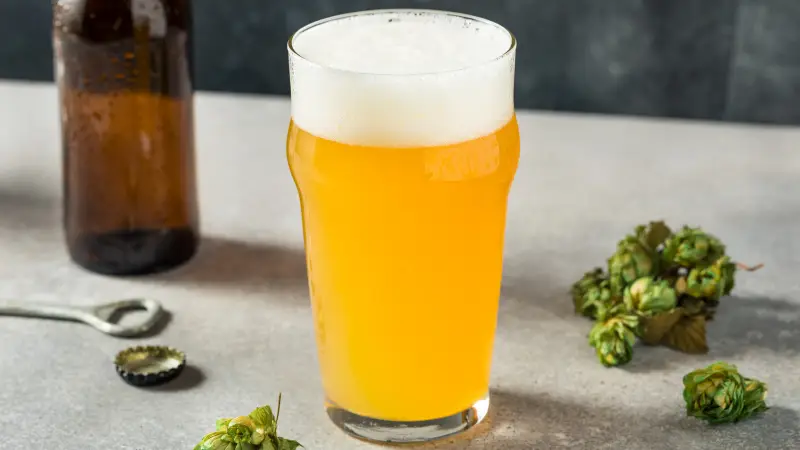
The clearest difference between a double IPA and a triple IPA is strength: double IPAs typically sit at 7.5% to 10% ABV, while triple IPAs are often around 10% to 12%. That distinction comes with changes in balance and drinking pace, but the names don’t mean either beer contains precisely two or three times the hops or alcohol of a standard IPA. Brewers have room to shape both styles, especially the less formally defined triple IPA.
Start with the American IPA baseline
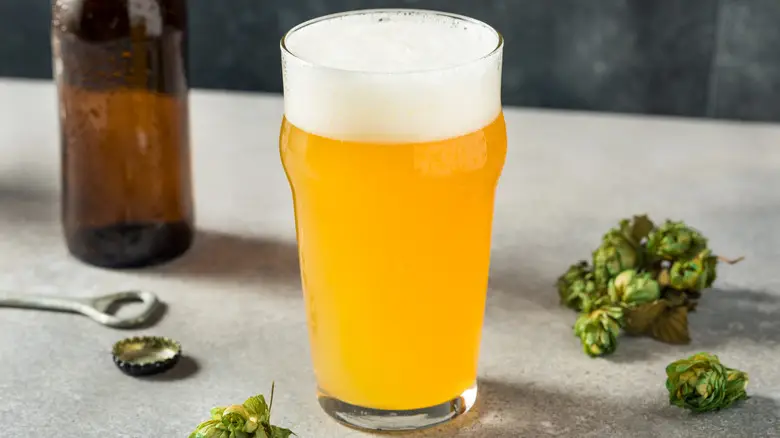
A traditional American IPA typically contains 5.5% to 7.5% ABV. Hops lead its flavor and aroma, often bringing citrus, tropical fruit, pine, or floral notes alongside some bitterness. Double and triple IPAs build on that hop-forward character, with greater strength and more concentrated flavor.
For a double IPA, also called an imperial IPA or DIPA, the usual range is 7.5% to 10% ABV. Triple IPAs, often shortened to TIPAs, generally land around 10% to 12%, although examples can fall outside that range. These ranges are useful guides, but they don’t create a precise recipe formula: there’s no fixed ratio of hops or other ingredients that defines the styles.
Double IPAs put hop aroma in a bigger frame
Double IPAs grew out of American craft brewers’ experiments with making hop-forward beers more intense. Brewers use more ingredients than they would for a regular IPA, but “double” doesn’t mean twice the hops or twice the alcohol. The actual recipe varies, and ABV is the main measure used to distinguish a double from a triple.
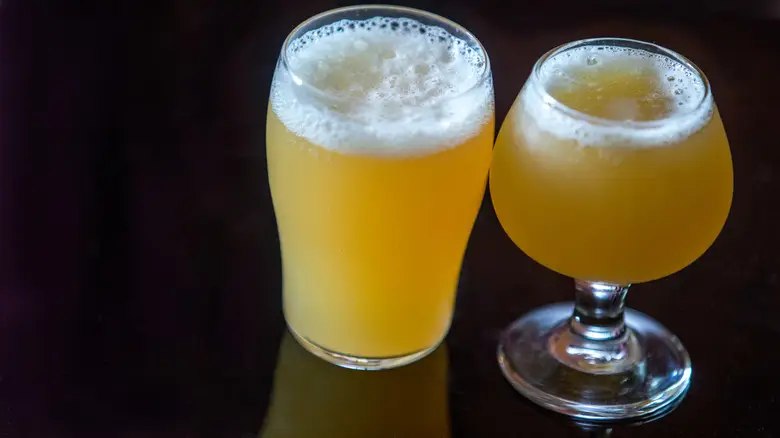
Hop varieties shape the character of each DIPA. Grapefruit, orange, mango, resin, and pine are among the possible flavors and aromas. Some versions lean into bitterness; hazy double IPAs can instead taste juicy and feel smoother. That range makes the style less predictable than its name suggests: two beers at similar strength may emphasize very different sides of the hop profile.
The higher alcohol level can sit surprisingly quietly alongside those bold aromas, so a double IPA may seem easy to drink. It still rewards a slower pace. Its assertive flavor can overwhelm delicate food, while bold, spicy dishes—such as those associated with Asian and Indian cuisines—or barbecue can hold their own alongside it.
Triple IPAs push strength and balance further
A triple IPA takes the intensity associated with a double and turns it up again. The term doesn’t describe a fixed, formally established beer style, so brewers have more latitude in how they make one. In practice, it generally signals a very strong, hop-forward IPA with pronounced flavor. A bottle or tap listing near 10% to 12% ABV is a helpful clue, though the range isn’t absolute.
More malt can help balance a triple IPA’s higher alcohol content and bitter edge. That often gives the beer slightly more sweetness than a double. The balance matters: hop intensity, malt sweetness, and alcohol strength all contribute to the impression of the finished beer, so the strongest option won’t necessarily taste simply like a more bitter double IPA.
Triples call for an even slower sip than doubles. Their strength can be comparable to that of many wines, and their earthy complexity can stand up to hearty flavors. Spicy food is one pairing option; rich, fatty, or salty choices such as steak, fries, and bold cheeses can work as well. As with double IPAs, the beer’s power makes delicate dishes easier to overpower.
Choose by strength, balance, and what’s on the plate
When deciding between the two, begin with the ABV, then consider whether you want a more bitter or fruit-forward hop profile. A double IPA offers bold aromas across a broad range of interpretations, from resinous and piney to juicy and smooth. A triple IPA generally brings greater strength, and its malt may lend a touch more sweetness to balance that force.
Neither name guarantees a precise amount of hops or a single flavor profile. The brewer’s choices matter, especially with triples, whose definition is less fixed. For the most useful comparison, check the stated ABV and tasting description, then match the beer’s intensity to your meal. Both styles are best approached as slow-sipping beers, with food robust enough to meet their flavor.